TLDR: Get plenty of rest and sleep, reduce distractions, prioritise, focus on what you can prevent, do your best, focus on what you can control, take opportunities immediately, respond don’t react.
I made a commitment to myself to become a writer. This means writing every day. I write a lot that I never post and some of what I do post is questionable, including this but I need progress. This post serves a purpose as a reminder that no matter how much progress you make in your personal development, it’s still possible to let things slip. You don’t just read all the books, do it and then you’re done – it’s incremental progress with some challenges along the way.
Look after your body. Guard your mind. Never give up.
I have a really short fuse at the moment. Anything that doesn’t go to plan makes me instantly, over-the-top angry. Triggers from this morning include messages waking me up early, someone changing into my lane as I was accelerating and teachers calling in sick and having to teach their classes (I have an upcoming project deadline).
These are my reflections on how I got myself here:
Sleep and rest. I haven’t been getting enough rest and sleep for three years. This seems to be the biggest factor – my body is screaming at me to stop and rest which is tricky as I have responsibilities which don’t always allow me to rest and sleep when I want or need to. When well-rested, reactions to various triggers are minimal, decision-making is much more reliable and concentration is optimal. It also reduces the noise in your head. I’ll talk about the importance of sleep in more detail in a future post.
Distractions and assumptions. For work, I made assumptions about the time I had available and got regularly distracted, although I suspect the distractions are partly related to sleep and rest.
Hyperfocus. I had become hyper-focused on one project to the detriment of others. Now those will be delayed which adds pressure.
Lessons:
Prioritise sleep and rest.
In addition to the above, reduce distractions. Turn off devices and non-essential notifications. Carve out time slots for specific tasks and be strict about following them.
Prioritise tasks, but still carve out time each day for less immediate tasks. Focus on what you can prevent.
Do your best. You can’t expect more than that. Everything else is out of your control.
Focus on what you can control. If you can’t do anything about it, it’s not worth your time and energy.
Don’t assume the opportunity will wait for you or come again. If you can do it now, do it now. You might not have the chance later.
Respond don’t react. When triggered, take a step back – don’t do anything immediately and choose rationally what to do next.
Every challenge is an opportunity to grow.
What challenges are you facing? How will you respond?
Study has the power to change your life. The keys are to pursue what interests you, read or listen a little every day, narrow down your filter over time and apply what you learn immediately. How you study is also important.
It’s really important that you pursue what interests you, especially in the beginning. If you try to force it, you’ll eventually give up, lose attention or associate study as something negative. Instead, think about what interests you, what excites you or a skill you’d like to learn. Then pick up something that is about that thing. As your interest grows, you’ll see and hear references to other materials or you’ll come across an idea you want to go deeper into. Any downtime could be used to do this.
I personally prefer audio content because I can be studying at all times when I’m alone – especially during the commute. Try to build in a little reading or listening time every day. This could be just twenty minutes per day but the main thing is consistency over time. A little growth every day works like compound interest. (Play with this calculator to get an idea.)
Realise that you’ll never be able to consume all content. Trying to will burn you out and you won’t make any real-world progress even if you feel you have. You’ll find that the more you know, the less you know so it’s important to narrow your filter. Prioritise what you’re studying and be ruthless about only studying within your area(s) of interest and development. Be clear on what is entertainment and what is study, especially with podcasts and YouTube. Only study what helps you progress to where you want to be in life.
Reading or listening to great ideas is not enough by itself. Don’t fall into the trap of feeling great because you feel like you learnt something and then not using it. It won’t be long before you forget what you learnt. Immediate action is where the real learning happens and this is reinforced if you take notes while studying, take action and take notes on your reflections of what worked and what didn’t. One step further is to consolidate all of this into a written or spoken explanation of what you learnt as if you’re teaching someone else.
There are many ways of studying: reading books, listening to audiobooks and podcasts, watching YouTube videos etc. so it’s important you choose the methods that best work for you. A word of caution: consider the motive and background of the creator/author and think critically. Are they doing it purely out of service? Do they have a religious or political agenda? Are they doing it for the clicks/views and/or money? Do they actually have experience in what they’re talking about? I’m not saying to avoid those things, but keep the context in mind and take from it what’s useful. Also, remember to ask yourself why you’re consuming the content.
My general guide is that if the same theme keeps coming up from a variety of creators or authors (especially if it’s from ancient texts such as the Stoics or the Bible etc.), I tend to pay more attention to it. The deeper you go, the more ideas you’ll discover and want to explore. It can be very effective to narrow down on a specific area of knowledge. Focus on what helps you to achieve the life you want.
While studying, taking notes of any important ideas or practical things you can use in your life, or any common themes coming through multiple content is advisable. Then, as we discussed before, put it into action, reflect and consolidate. You may need to go back to your notes or repeat the process a few times on the same skill or idea until you feel competent in that area but the principle is the same. Repeat this process for each area you want to develop.
My personal process: I listen to audio content mostly because it allows me to study at all times when I’m alone – especially during the commute. I started with what interested me. As I developed my interests and realized where I wanted to go in life, I targeted my study to the areas that help me achieve that. If there’s a specific skill or knowledge I want to learn, such as dealing with anxiety in specific situations, improving my writing or developing confidence in public speaking, I utilize ‘swarm reading’. I find lots of material on that subject and immerse myself in studying it and then I incorporate the key threads I’ve learned into specific situations and my daily life. I reflect regularly on what’s working, what isn’t and how I feel and then I write about it to consolidate it and check my understanding. If needed I study more or restudy. This is a never-ending process that repeats for every area I want to develop. Study is very important but ultimately, it’s massive practice that will speed up your development.
Re-define realistic. Goals don’t need to be huge in the beginning. Be careful what you tell children about their dreams. Don’t delay gratification until you achieve your goals – enjoy the process, learn to not be attached to the result. Avoid telling yourself, “I’ll be happy when…” Don’t try to achieve all your goals at once. The Series posts are on hiatus.
Introduction – choose your hard
If you’ve been following my journey you’ll know that in the past couple of years, my ambitions have grown. I’d been in the depths of depression for a long time and discovered that for me, personal growth / personal development is the way out. I now have both something to run from and something to run towards and succeeding in this takes discipline.
It’s hard to be disciplined, but it’s much harder not to. It never is or will be easy but I’ve chosen my hard. However, discipline is not enough by itself. Success also requires sequential goals and learning to love the process (passion). You can achieve everything you want, just not at the same time. This is the lesson I’m learning the hard way at the moment.
Goals
There’s absolutely nothing wrong with having ambition and setting multiple huge, scary goals but I’ve realized four things about goals:
1. Incremental improvement is sometimes better than setting huge goals.
Sometimes small and simple is better. Little wins help you build confidence. You can always increase the challenge a little next time.
When I was crippled by mental health issues, it was more manageable to start small and build up step by step. E.g. get your room in order, then your health, mindset and routines with these steps repeating throughout my ongoing development. It’s a long process of incremental improvement rather than one big life change. There have been times when big changes have been necessary but these have been calculated in moments of clarity having built upon incremental improvement. Incremental improvement is much more sustainable and builds up like compound interest. You can always adjust the pace to suit your current needs and abilities.
Read James Clear’s Atomic Habits and talks and books from Jordan Peterson and Brian Tracy for more on this.
2. Realistic is relative – setting and achieving (un)realistic goals depends on your beliefs and potential ability.
Realistic is not necessarily a reflection of your overall ability or your abilities right now.
Once I’d found some stability as I climbed out of depression, I was able to start thinking more clearly and believing that a better life was possible. I began to dare to dream and I began to see how wonderful it can be to set outrageous goals based on those dreams, but it all started with the baby steps I mentioned earlier of starting small and building up until I had the self-confidence to believe they were possible to achieve. Read Brian Tracy’s The Power of Self-Confidence for more on this.
From a young age, the world tells you to be realistic. Many of these people don’t realise what they’re fully capable of and think they’re doing you a favour by telling you to be realistic as they don’t want you to fail. At worst some people may tell you this because they don’t want you to succeed and would prefer that you stay at their level.
Be careful what you tell children (and adults) about their dreams. As a boy, I was passionate about football (soccer) and would play every day no matter sun, rain or snow. I’d play for as long as the time I had available and for a while I wanted to be a professional footballer but many adults and other children in my life told me that I’d never be able to achieve this. As a result of hearing so often from people I looked up to that I’d never make it, I never tried.
I’m not saying had I tried to make it as a footballer I would have made it, but what would I have lost for trying? How far could I have gone? What could I have learnt? What fun could I have had during the process? Would I still be doing it now?
For me, realistic is more about being within your realm of passion. I’m talking about the thing(s) that excite you and align with your abilities. In the previous example, I was excited about playing football, I was good at it and wanted to become a professional but lacked the knowledge and guidance needed to foster this and see what was possible. Now, however, my goals are quite different and bigger and based on my current passions. I’ve also tied them to purpose and service as I believe these are some of the keys to living a fulfilling life, but it took time to get here.
When you set a huge goal based on your passion or dreams, you might feel that you don’t know how to achieve it right now but you’ll probably sense that if you commit and put in the work you can find or make a path to achieve it.
For this to happen you need to start with the end result and work backwards breaking it down to figure out the skills you need, who you need to become and the steps needed to achieve it. The exciting part of this is the challenge and the person you need to become to reach the goal.
If you don’t achieve the goal, analyse what you learnt from it. Identifying as a learner takes away feelings of attaching ‘failure’ to me as a person and helps me see the ‘failure’ as an opportunity to grow and become a better version of myself. After every ‘failure’ (challenge) I just (keep) try(ing) again or adjust course. The more wins I build, the more confidence I build and because of my passion, I keep pushing on with persistence and discipline to make it happen without being attached to the end result. It’s taken me a long time to get it but non-attachment to the result is the essence of enjoying the process and therefore your life.
3. Enjoyment of the process (non-attachment) is one of the keys to fulfilment.
Attaching your happiness, fulfilment or identity to end results (achieving goals) is a risky path.
Results are great but there are two outcomes if you do the above: either you achieve it, feel great for a short time and then need a bigger goal, or you don’t achieve it. Either way, you are always chasing happiness or fulfilment. It sounds something like, “I’ll be happy when…” Except when is short-lived or never comes. It took a lot of time and experience to realise this. It’s effectively taking delayed gratification too far. So the alternative is non-attachment or love of the process.
Earlier I talked about the importance of passion. Think about something you’d happily do every day even when it’s hard. When I was young this was football.
In contrast to football, I took up music lessons as a young child and this continued through to high school. There were parts of it that I enjoyed but I was never passionate about it so the practice was forced, I didn’t put my full effort into it and ultimately gave it up. With football, it was never forced – I did it every day because I loved it, but I lacked the knowledge, guidance and targeted training needed to improve to the level I needed to. Ultimately, I gave up football too when life and work got in the way.
Passion is the key to enjoying the process and building discipline. You’ll be amazed at how far it can take you, even when you don’t feel like it or things get hard. If you don’t know where to start, follow what interests you, see where it goes and dedicate some time every week to it.
My passions now are family, learning and writing, and I have huge goals related to these which involve big moves and financial costs, as well as a lot of study and career progression in order to acquire the skills I need to serve on the scale I plan to but I believe all of this is possible but it will take time.
4. Realistic includes timing – you can have everything you want, just not all at once.
Earlier, we talked about setting realistic goals. Realistic also covers timing and this leads us to the core message of this post. As I mentioned before, I set some huge goals. The problem was that I set these goals to be achieved simultaneously.
I was working a new, demanding full-time job as a manager, working a part-time teaching job, studying for a diploma, writing, and working on a plan for moving countries all at the same time. One by one I’ve had to postpone various goals. The effect it was having on my physical health, mental health and family life wasn’t worth it. In trying to achieve everything at once I stretched myself far too thin. I went through a particularly dark time but I’ve come out the other side stronger and clearer and I’ve had support from an amazing boss and mentor through this.
I’m recalibrating. I had to go back to my goals and values. I stripped everything back, identified the skills I need and the opportunities in front of me and re-prioritised accordingly. I’m already feeling much better physically and mentally and performing better at the areas I’m working on. By letting go I feel freer and more productive.
First to go was the diploma, then the part-time job and now the Series. As of now, the Series is officially on hiatus. It will get completed but I won’t set a completion date for it as I don’t want to let anyone or myself down further but it will get finished and I will continue to post on here separately too. You’ll know when it’s a Series post as it will be titled alphanumerically following the previous Series post.
What I’ve learnt from all this is that you can have everything you want, just not all at once. I believe I will achieve all of the goals I’ve set out to achieve but I’m staggering the timing on them now so that I’m not working on more than two at any one time (and ideally one wherever possible) until the work that is under my control is completed for each one.
Life is a journey. It can be a boring commute, the ride of your life or somewhere in between, it’s up to you. Set a course and make adjustments along the way – take control of the direction.
There are multiple pathways to what you want, but without choosing a direction, you’re guaranteed to get lost. What kind of journey do you want to have? Where do you want to go?
So now I’d like to talk about burnout. I’ll talk about how it developed, what it looks like, how it makes me feel and how I’m fighting it.
How it developed
It seems quite obvious, probably to you too if you read Part 1, but I took on more than I could handle.
I took a part-time job when I was in a different main job – a job that was much less demanding. The new job came with a steep learning curve. Things I thought I was good at: productivity, writing, and time management (to name but a few) were all revealed to be weaknesses compared with where I needed to be in my job. I was faced with things I knew I was weak at and things I didn’t know I was weak at. This process hasn’t stopped.
It would have been easy to quit. I considered it many times but I realized that it’s possible to turn weaknesses into strengths. I can get better at these things.
The problem was I started pushing myself to be better at everything all at once and ended up doing a lot but going nowhere, thinking I was making progress but wondering why I was still facing certain problems.
As I pushed harder to be productive and learn, I depleted more energy. I only had one day off (and sometimes no days off as there are occasional extra days).
On my day off I would often insist on doing things with family. This meant not always resting fully and having fewer naps. Fewer naps meant less energy and less productivity so I’d spend longer working, trying to keep up with the workload depleting my energy further. It was a rapid downward spiral. It’s hard to see what’s going on when you’re the one in it and it’s really hard to know what to do about it.
My wife and I decided to go to my home country to introduce our child to our family there and take a much-needed break. It was a breath of fresh air. After several days I started to feel much more relaxed. I’d left the situation that was causing stress and low energy and began to feel much better soon after – a clear indicator of burnout. This was when I became aware that I’d been experiencing burnout.
What burnout looks like for me
Burnout is very similar to depression for me. The main difference is that there is a situation that causes the burnout and you begin to stabilize once you are removed from that situation.
For me, burnout looks like fatigue, negativity, stress, and overwhelm. It’s easy to get stuck in negative loops and energy-draining loops and the whole thing feeds on itself.
How burnout makes me feel
Burnout is exhausting. It erodes my self-confidence and self-esteem and I generally feel negative about myself. It’s hard to do my job effectively, which has knock-on effects on other team members, and then I feel bad about that. I also feel bad about not achieving even though I’m working hard.
Apathy begins to creep in. When you feel overwhelmed you can either fight or give up. When the fight is exhausting and you have little energy to give, it can be easy to let things slide into chaos. This is particularly dangerous for me as it starts to develop into unnecessary risk-taking. This is either because I stopped caring about life at that moment or I want to feel something. (See my post on Suicide and the Suicidal Ideation section to see how dangerous apathy can be for me.)
My thought patterns are currently like looking at a bowl of stir-fried noodles and this has manifested itself in chaos and disorganisation in my outer world. My physical and digital workspaces are a mess and it makes everything harder to process and takes much longer than necessary. Having a clear, linear thought is difficult. It’s like when I’m trying to tell my wife something while my child is constantly badgering me to play – my focus is split.
Regarding home life, I feel awful because I can’t play with my child, help my wife with housework or be present and have quality time together. I feel like I’m letting everyone I care about down and I’m making little progress toward my goals. It feels like procrastination, but on reflection, it’s just a lack of cognitive resources. I’m way behind schedule on writing the series and a couple of things at work are way overdue. All of this creates anxiety which interrupts my sleep and depletes my energy further. Everything simply feels heavy and often makes me feel bad about myself.
I’ve been doing too much and as a result, achieving much less than I am capable of. It’s like trying to swim with weights. It’s not all bad though – looking back over the nine months I’ve developed a lot as a person and have noticed specific areas of improvement where I’m no longer receiving much corrective feedback and getting better results. I’m capable of much more than I was nine months ago. It’s made me begin to wonder – if I’ve achieved this with limited cognitive capacity, imagine what I can do when I’m free of the part-time job. It’s good to try to remember how far you’ve come. This is a useful way to fight burnout. Below are some of the other ways I’m fighting it.
How I’m fighting it
Awareness. Awareness is the first step to improving any aspect of your life. I’d long known something was wrong but wasn’t sure exactly what to do about it so I just kept going. Sometimes you need someone from outside to tell you what’s going on from their perspective. My boss had hinted at burnout in previous interactions and having a holiday removed me from the situation and gave me some clarity. We’ve since talked more directly about it.
Being aware of it was actually a relief because it became less of a mystery and I began to figure out ways to manage it. It’s both helping and hindering me from finishing the Triggers & Tools series post. It’s helping me in that I’ve been forced to reevaluate my triggers and identify appropriate tools for my situation. It’s hindering in that I’m struggling to think clearly at any given moment and most of my cognitive resources are diverted to work.
Minimise. My boss has made a useful suggestion. Until I finish my part-time job, it’s time to strip everything back.
Less is more. By trying to do fewer things in a day and focusing on the most important tasks, my brain is free to get the important things done. This also helps my self-confidence and self-esteem as I see actual progress on things that matter.
I’m also tidying up all physical and digital spaces and stripping out anything unnecessary from my daily routines and habits so there’s less chaos affecting my attention, less need to make decisions and more focus.
Acceptance. I’m forgiving myself and accepting that I’m doing the best I can in the situation I’m in and I’ve made a decision that will free up my energy and cognitive resources later. As long as I’m doing my best there’s nothing more I can do.
Service. I’m trying to help others in my daily life. This is the key to fulfilment and instantly makes you feel better because it builds connection and takes your focus off your ego.
Positive framing. I’m trying to find the good in every situation, especially if I’m tempted into negative thinking.
Gratitude practice. I spend time each day to think of at least three things that I’m grateful for that are specific to me. This takes my attention off the negative, away from myself and towards others.
Journaling. Gratitude practice is embedded in my journal. I also talk about what I’ve learned and what I feel. I have a few simple questions and a check-list of daily actions each day related to my goals. This helps me to check and build evidence of progress. If I didn’t achieve something I accept, forgive myself and move on.
Sleep. This is the most effective tool so far. It feels counter-intuitive because if I’m sleeping I could be working or spending time with family but it gives me the energy I need to work effectively (therefore saving time) and spend quality time with family. I’m now scheduling more sleep into my schedule and it’s helping a lot.
Decision. Now that I’ve made a clear decision on how to get my energy back (quitting the part-time job and getting more rest), I already feel better as I can see the light at the end of the tunnel and there isn’t a big decision hanging over me. I’m okay with being a bit slower and less effective now because I know it’s temporary. I’m looking forward to having more energy, being better at my job and having more family time. I feel okay right now and am focusing on the positives.
It’s time for another unplanned spontaneous post. I don’t know exactly where this is going but it will be clear by the end.
So recently I’ve been struggling with low energy and burnout. I’ve been in a job for 9 months while holding onto a part-time job. The main job is particularly demanding in terms of workload and revealing all my weaknesses. Having a part-time job has meant I’ve only had one day off during this time. The combination has driven me to burnout. I’ve been struggling to be present with my family and it can be quite depressing being constantly tired and unable to play with my child or be there for my wife.
I was faced with some tough decisions. I’ve already put studying for a diploma on hold and now something else had to go – either my main job or my part-time one. I either had to quit my main job and increased my part-time hours or quit my part-time job.
I didn’t know what to choose as they both had value for different reasons. The main job had a lot of growth and learning potential but is particularly demanding and the part-time job would really help with the diploma. Having a family to think about certainly added another dimension to it. I talked to a few people I trust and respect but ultimately the decision had to come from me.
In the end, I had to come back to goals and values. I value my family above all else so I was sure about quitting one of the jobs as this would give me more energy and time for them. I also value learning and growth highly which I’m getting from both jobs. However, the main job pushes me harder across more areas. The diploma was started in order to get the kind of job I already have so it made sense to keep the main job. Going part-time would give me more time with family but put financial pressure on us. I found myself going in circles.
Eventually, I was faced with a deadline to decide on signing for a second year at the main job. My main boss kindly answered all my questions and helped me with the process of making big decisions while trying not to influence my decision. In the meantime I also spoke indirectly with my other boss who gave similar insight as my main boss.
I was still unsure for days after and one day in the fog of decision fatigue, I decided to take a long nap. During the nap, I had a hugely symbolic dream which revealed quite clearly to me what I needed to do. This often happens to me when faced with big decisions. It’s like my subconscious has had enough of the indecision and starts screaming at me.
So I decided to stay at the main job and quit the part-time job. I’m at peace with that decision now and look forward to three months’ time when this plan goes into effect. I feel like I’m holding on until then but I have the full support of my wife for which I am hugely grateful. I’m also very grateful to have compassionate bosses who have been very supportive of my well-being.
How do you make big decisions?
Has a dream ever guided you in your decision-making process?
This post is separate from the series. The series will continue soon following alphanumerically from the previous post from the series.
This post is simply to thank all readers of this blog. So, thank you for reading, sharing, and commenting!
To show my appreciation, I invite you to suggest the next topic (not already outlined in the series posts) in the comments section. I will write a post on the first topic that I have knowledge or insight on.
This blog has evolved and grown somewhat from where it began and it wouldn’t have been possible without you.
It’s quite the journey. It started a bit like my own personal therapy while hoping to provide insight into some of the struggles of mental health to help those struggling and provide some context and understanding for those who aren’t or are supporting someone else who is. I hoped that as I helped myself, I could help others and help reduce stigma by encouraging (and hopefully helping to normalise) conversations on mental health.
As I climbed out of the depths of depression and battled with anxiety, I began to believe that being healthy mentally was actually possible for me and so the blog grew to become a core part of a new mission and vision. Now I aim to provide a platform that serves to not only help people survive mental illness but to thrive and learn to enjoy the journey. I invite everyone to learn together and I encourage you to add your insight and feedback to better help this growing community. The reason I don’t delete posts and leave mistakes for all to see is to show in real time that if a regular person like me can grow and thrive, so can anyone.
I outlined my thinking behind the mission and vision in detail in a separate post but I’ve included the mission and vision here for ease of reference:
The Mission
To use my communication skills and skills in education to inspire the world to live fulfilling lives; to become a better husband, father, friend and coworker in the process; and to leave the world better than I found it.
The Vision
A world without depression, anxiety or suicide.
A world where everyone, everywhere, in every generation, has the opportunity to live a fulfilling life.
A world full of love, kindness and compassion.
This is just the beginning. Thank you not only for giving me an outlet and support to help me out of mental illness but also for your ongoing support in helping others and making the mission and vision gradually develop into a reality. The alphanumerically numbered series posts related to the mission and vision will recommence shortly.
What would you like me to write about next (if not already laid out in the series)?
This post is separate from the series. The series will continue soon following alphanumerically from the previous post from the series.
We left the country for 3 weeks and my wife got COVID! Although initially it was stressful and looked like an awful situation, there have been many benefits. Although I’ve tested negative every day so far, at the end, I’ll detail my daily symptoms.
Background
We recently got back from visiting a country with zero COVID restrictions and I went to work the next day. We had been pretty careful while away (and in general for the past three years) and it was a relief to be back in a country where COVID is taken more seriously. After a day at work, everything seemed fine, however, my wife tested positive for COVID the next day.
At the time she tested positive, I was already at the office (before everyone else arrives as normal) and had tested negative. I had symptoms but initially thought these were allergies and then a cold (because of the negative tests and the fact we’d been in a cold environment for three weeks).
Upon learning the news, I was planning to either work at the office in another room away from everyone else or work from home, depending on what my boss thought, but then my wife and I realised that my son (who would be waking up soon) could easily get infected if my wife looked after him.
My wife ended up self-isolating and then officially quarantining in a separate room at home which meant I need to look after her and our son for the duration of her quarantine. By law, she can only leave her room to go to the bathroom and has to sanitise everything as she goes. Looking after my wife involves putting the things she needs by her door and sanitising anything she sends out of the door. We can’t stay in the same room. This means I’m off work again for another week.
The stress
There have been several stressful parts to the situation. For instance, I have already been off work for a few weeks meaning other people have been covering my job, there is likely to be a lot to catch up on and there are classes that need covering too while I’m catching up.
Additionally, there’s the stress of not having been infected by Covid before, not knowing how bad it could be for us, and the risk of infecting our child. Thankfully we’ve all been vaccinated multiple times, otherwise I don’t know how bad this could be.
There’s also the need to sanitise everything we touch or bring in/out of the apartment. Our family have been kind enough to help buy and bring shopping and medicine to outside our door.
Finally, there’s the potential financial cost of not working, especially as we’ve been saving to buy a house for a few years.
However, the stress is not as high as it could have been. Since we stopped watching the news months ago, our overall stress levels and anxiety about Covid have decreased dramatically. For more insight into my mindset during the earlier stages of COVID, see this post.
On balance, this situation has been a blessing in disguise (this reference always makes me think about a joke about a gorilla wearing a vicar’s outfit) as I’ll explain in the coming sections.
The relief
Part of the ongoing training at work is positive framing (think, When life gives you lemons, make lemonade, or Jocko Wilink’s Good philosophy). This way of thinking has helped relieve the initial stressors and fears:
my boss has been very understanding about the whole situation and told me to prioritise family, which I am.
so far, the symptoms for all of us have been minimal, probably due to being vaccinated.
we’ve accepted that we’re doing the best we can to protect each other and our child and that the rest is out of our control.
we have family who are willing to support us and help do the shopping and pick up medicine.
I’m able to apply for leave to take care of family. I don’t know if this is paid or not but if it is it helps!
The benefits
The way of thinking I described above has also shown me many benefits to the situation:
my wife wants my child to stop breastfeeding and because my child is not able to go to mummy whenever they need comfort has proved that they can do it.
me being around 24/7 has developed my relationship with my child and they now listen and follow my guidance a lot more. They even fall asleep by themselves now with minimal effort. This has helped me to realise that I want to develop my leadership skills so I can be a solid leader for my child and family.
I’ve had more quality time with my child than I ever have before. It’s been a joy to be of service looking after them, chatting, and playing together. I love it! We’re deepening our relationship every day on a level I hadn’t imagined. This in itself has been bonus R&R. Even though I’ve been unwell while looking after my wife and family I feel I’ve gained more energy than I’ve lost and that’s what it’s all about.
I’ve had some (limited) insight into my wife’s full-time mum/housewife position. There are several parts I haven’t or won’t end up doing but it does help me appreciate the hard work she puts in every day for no pay, managing a home while giving attention to and looking after a child!
this situation has given me further clarity on what I want our lifestyle to look like as described inR&R 2.
I would also go so far as to say that the way of thinking I described previously has helped to lift much of the depression and anxiety in my life. I’ll talk more about this in detail in the coming series posts, but for now, let’s have a look at my symptoms during the situation.
Symptoms
I’m still testing negative, but because my wife tested positive and I have symptoms, I thought I’d share my symptoms with you for each day in case you haven’t had COVID before or if you have, to give you a comparison. For reference, my wife and I have both had four vaccinations and our child has had two.
My wife described generally having a bit of a runny nose with sneezing and then dry mouth and throat. My son generally had an occasional runny nose and sneezing, but that has mostly stopped,
Day 1 –during the flight back to where we live
Runny nose, felt like my usual reaction to air conditioning (allergies, sensitive nose).
Day 2 – went back to work for a day
Headaches, fatigue, and runny nose. General feeling of having a cold. NB Fatigue is normal for me but this was a whole other level where I just crashed and switched off with little warning.
Day 3 – at home
Runny nose. Extreme fatigue/sleepiness whenever not moving. Wife tested positive and began quarantine. Had to leave work before everyone else arrived to go home and look after our child.
Day 4 – at home
Dry mouth and throat, chest feeling weak and strained (like after heavy cardio).
Day 5 – at home
Dry mouth, throat. Extreme fatigue. All energy depleted, even walking from one room to another was challenging. Better after a nap.
Day 6 – at home
Dry mouth and throat, a little tired. Still testing negative – maybe it’s all psychological? But my symptoms began before my wife tested positive. Strange…
Day 7 – at home
Same as the previous day.
I’ll update this page if anything of interest happens…
Reflection
What’s your experience of COVID? Has it made you re-think any parts of your life?
This post is separate from the series. The series will continue soon following alphanumerically from the previous post from the series.
In R&R, I wrote that I was transitioning between jobs. At the time of writing, I was six months into the job and I’d hit a wall. The timing of my holiday was perfect.
We planned a three-week trip to my home country so my child could meet my side of the family for the first time and so I could get some much-needed rest. This was the first time it was possible in two and a half years due to the pandemic.
The last few times I haven’t felt that excited about going ‘home’, as it always felt like we were on someone else’s agenda. It felt like our time had been booked out for us and we felt guilty about going anywhere other than my home region and country.
This time was different for two reasons. The first was that we now have a child and our child had never met my side of the family. The second was that I was exhausted and my body and mind were giving me signals that I needed to slow down.
So we decided that a lot of meetups would be just after dark and for a limited time. This worked well as most people were at work during the day and it gave us the freedom to explore and to show our child where their dad grew up.
Being a very rural area and having no fixed plans each day made for a very relaxing time. Our child loves the outdoors and animals so loved it. We had a blissful time together and created many beautiful memories. This was the most time we’d ever spent together and I treasure every moment.
We stayed with my parents for the whole time and it was wonderful seeing their relationships develop. It also gave my wife and I some opportunities to spend time together alone which has been incredibly rare. I brought no laptop and consciously limited technology use during our stay. The focus was on family, friends, and nature.
This trip and what happened next (see the following post) have done wonders for the soul and put everything into perspective. I know what I want my life to look like. I’m a better person when living the lifestyle described above. I now need to find a way to make work fit into this rather than chasing some far-off idea of an ideal life that may never materialise. We have a good idea of how to start making this happen over the next year and will begin to put this into action over the coming months. Time to focus on our values.
If you’re feeling overwhelmed, exhausted, stressed, or stuck, make having a serious rest period a priority. Listen to your body, mind, and soul – if you’re getting sick or weaker physically or mentally or your tank is empty it’s time to slow down or stop. When you’re under pressure and busy it feels counter-productive, but believe me, if done right it can work wonders. The key for me was to be more present, do less, and focus on recovery and what is important to me in life.
Being present is easier said than done. For me, it means leaving problems behind you when you’re not in the process of solving them (e.g. when at a social event or spending quality time with family).
The things that have helped me live more in the present moment are gratitude practices, prioritising time doing things I enjoy (and becoming more efficient at the things I don’t enjoy), spending a lot of time with a toddler, reducing my use of tech outside of work, increasing time in nature and learning about flow and 無為 (Wu Wei). Many people also recommend mediation, but this is an area in which I’m a complete beginner, so can’t comment much.
Time is our most precious asset, spend it on the things that fulfill you.
Reflection
How do you spend your time?
Do you listen to your body and mind? What are they telling you?
What are your values? Are you in alignment with them?
This post is separate from the series. The series will continue soon following alphanumerically from the previous post from the series.
I’ve never enjoyed the spotlight and I’m not interested in fame. Although I have big plans as a writer, I’m happy to remain anonymous as it gives me great freedom.
Recently, however, I’ve become aware that people who know me personally may have discovered this blog and it made me realise that it’s possible others will too in the future. If you know who I am or wonder why I choose anonymity, this is for you.
Part of the freedom of anonymity is that I can write with minimal filters. This includes some of my deepest and darkest thoughts. The hope is that by sharing these and how I got through them, I can help others through similar struggles and provide insight to those supporting others. If I know who is reading, my writing style and content will be inadvertently affected both at a conscious and subconscious level, particularly when describing the challenges I experience.
One of the reasons I generally don’t delete posts or go back and edit previous posts is for authenticity and integrity. I want everyone to be able to see the progress (and mistakes) I’m making in real time in order to help. If I know someone I know has read the blog then I may reconsider this and edit certain information to protect my anonymity as well as my family’s.
With all of the above in mind, I ask two things:
If you know me personally, please don’t tell me you’ve read this blog
If you know me or my family, please don’t reveal personal information that’s not already on the blog (for example (but not limited to), names, locations or contact details)
Perhaps my thinking on anonymity will change (especially if it will further The Vision), but I hope that losing anonymity can be a personal decision that I make willingly.
You’re welcome to address my thoughts on this in the comments section below. Let’s have a conversation. What are your thoughts on anonymity?
Happy New Year everyone! I wish you a year of love, growth, and fulfillment, ever moving closer to your goals and dreams.
I mentioned that I want my posts to be actionable and I referred a lot to Triggers and Tools in the previous posts. For now, please refer to the old version here. An updated version will be available in the coming weeks along with the rest of part one.
Additionally, if you haven’t already, I would encourage you to start writing a journal which includes one thing you are genuinely grateful for as well as reflections on what you’ve learnt each day. Ask yourself why you feel how you feel in different situations. It might seem insignificant for the first few months but I started doing it in June and it’s changed my life!
You may have noticed I went dark for a while. I am currently in a transition period, the process of recalibration, learning how to go from teacher to manager. This has challenged the systems I had in place to protect my mental health. More on that later – a bit of background first and some lessons I have learned at the end.
Background – From Teacher to Manager (Imposter Syndrome)
Until just before my post on R&R, I had a highly productive schedule, using the early hours of the morning from 4 or 5 am to around 10 am to read, study or write. After that, I would have breakfast with my family and then cycle to work. This was working really well. I was tired but productive, achieving, increasing my self-esteem and staving off depression.
Since then, I have transitioned from being a teacher to a regional manager. This means a big schedule change. My previous teaching hours were between 1 pm-9 pm. I now essentially have a 9-5 office job. My day off was Tuesday. Now it is Saturday & Sunday, but my part-time job was on those days until the academic year ended last week, so I worked three weeks with no day off. I also have to drive to work, which means less exercise and more stress (peak hour traffic, abrupt lane changes and stopping = a mini-heart attack every day!).
The naive part of me thought the transition would be business as usual, just with some schedule adjustments. To stay productive, I thought it would just be a case of getting up earlier but I had not taken into account the stress of the new responsibilities and the lack of days off as I changed jobs.
My first few weeks have been quite intense as I learn about my new role.
Anxiety
I have had very little time to feel depressed. What I have struggled with is anxiety.
Here is what anxiety looks like for me: racing thoughts, increased heart rate, headaches from stress, impaired concentration and forgetfulness, incredibly focused concentration, and a general feeling of impending doom.
In my main job, I have gone from being responsible for teaching around 8 classes to representing the whole company and being responsible (and first point of contact) for around 18 schools.
This, and my lack of experience leaves me constantly questioning the decisions I make on a daily basis. I have the title, but I sometimes have the feeling of ‘Imposter Syndrome’. I just need to remind myself I was chosen for this job and can do it!
I am not worried about making mistakes – the anxiety I experience comes from the unknown, my blind spots and what fixing mistakes looks like, but I do see all of this as a hugely valuable learning opportunity. This is why I was willing to take a pay cut – to learn valuable skills that will pay off later.
However, I have two big issues looming that are still unresolved and they bother me, but I believe in my ability (probably because my superiors believe in me), and I have supportive guidance. Some things are out of my control, but as long as I focus on what I can control and make progress each week, I will be okay.
I have also been struggling to maintain a healthy work/life balance. As part of my responsibility for my core school, I had to share my personal contact details. This has already resulted in three occasions where I felt I had to deal with stuff at the weekend. This left me anxious all weekend and not fully present with my family. I have since learnt to set clearer boundaries around being contactable. There is probably no work issue that cannot be solved early on a Monday morning!
Positives
I have talked a lot about the challenges I have faced, but here are some of the positives of the job so far:
Leadership focused on values that align with my own
Leaders who act as mentors, teaching and guiding me every day
Leadership that wants the individual team members to thrive
A team that demands excellence by leading by example with high standards and attention to detail
A supportive and helpful team
Learning new skills every day
Strategy:
Stripping back
For now, I have had to strip back my non-work, non-family activities to singularly focus on my job. This may last a few months while I learn more about my job. This means study, reading and writing time is reduced. I will gradually build this back up. For now, I am surviving, but one day I will be thriving. Then I can really focus on making an impact in the job (I have a lot of ideas!). It shows that when you split your focus, quality suffers, but my goodness I am going to give it my all at work, in my writing and with my family.
Winning the day
Every morning, I try to ‘win the day’ personally and professionally. For me this means I read, learn or write one thing before work.
When I start work (before most people arrive), I focus on completing as much as I can of a weekly project task or major item on the to-do list.
This relieves a lot of pressure and anxiety and feels great. Everything else you achieve in the day is a bonus.
My current systems:
Knowing my values (family, learning, service, integrity, honesty, discipline, love/kindness, empathy, creativity, proactivity, diligence and quality)
Not opening work accounts outside of working hours
Winning the day (personally, then professionally)
Remembering that action is key to killing fear (anxiety)
Prioritised to-do lists
Front-loading the week with ongoing work (leaves room for the unexpected!
Evernote (great for organising all your documents in one place on any device)
Multiple screens for organisation (with only the essential programmes open)
A whiteboard for quick notes (coded for privacy)
Keeping a tidy workspace (reduces unnecessary minor stressors)
Bookmarking folders and websites for easy access
Scheduling space for deep work
Scheduling flexibility for unexpected urgent issues
Scheduling breaks that are focused on ‘me time’ (relaxation)
Scheduling emails and paperwork
Stripping back all non-essential activities until I am settled in my job
Napping whenever possible and prioritising sleep
Adjusting my driving time to avoid rush hour (I do personal work at the office before it is time to clock in)
Focusing on being present with family
Time in nature/outdoors
Reducing phone use
Reminding myself that I was chosen to do this job – I can do it
Lessons
Build and defend systems
Learn to prioritise (consider urgency and importance) (Eisenhower Matrix)
Defend your work/life balance (know your values, set boundaries!)
Win the day
Don’t hesitate (or procrastinate), take action
Get deep work done early in the day (and week) before everyone else’s demands pile up
Get efficient at organisation!
Schedule everything (but allow for flexibility and randomness)
Be flexible (being rigid results in disappointment and anxiety)
Focus on one goal or task at a time for maximum productivity and focus (avoid concentration tax)
Eliminate distractions (Is this action urgent or important? Is this action taking me toward my (or the company’s) goals?
Eliminate unnecessary stress
Prioritise rest and relaxation. Learn to relax, switch off.
Learn to be present
Use phone for essentials only. Delete distracting apps or turn off notifications. Plan set times for usage.
Sign out of all work accounts when you finish work
Prioritise communication: written & spoken – get your message across with kindness, friendliness and empathy.
Seek training, mentorship, learn as much as you can
Things take time (this is the cost of quality)
Action is key to reducing fear and stress
Failure is only failure if you give up
Lead by example (demonstrate high standards)
Sculpt the future you want (if you hate your job or want to do something else, do something about it)
You can
I still fail at some of these, but it is part of the learning process. As I learn, I plan to share what I learn here. It seems like anxiety is taking over from depression, so I will consider how best to manage it. So far, action and busyness are helping, but it is exhausting to be on edge a lot of the time. This is where rest and relaxation are essential. If you have any tips that work for you, feel free to share in the comments!
You may have noticed I went dark for a while. I am currently in a transition period, the process of recalibration, learning how to go from teacher to manager. This has challenged the systems I had in place to protect my mental health. More on that later – a bit of background first and some lessons I have learned at the end.
Background – From Teacher to Manager (Imposter Syndrome) Until just before my post on R&R, I had a highly productive schedule, using the early hours of the morning from 4 or 5 am to around 10 am to read, study or write. After that, I would have breakfast with my family and then cycle to work. This was working really well. I was tired but productive, achieving, increasing my self-esteem and staving off depression.
Since then, I have transitioned from being a teacher to a regional manager. This means a big schedule change. My previous teaching hours were between 1 pm-9 pm. I now essentially have a 9-5 office job. My day off was Tuesday. Now it is Saturday & Sunday, but my part-time job was on those days until the academic year ended last week, so I worked three weeks with no day off. I also have to drive to work, which means less exercise and more stress (peak hour traffic, abrupt lane changes and stopping = a mini-heart attack every day!).
The naive part of me thought the transition would be business as usual, just with some schedule adjustments. To stay productive, I thought it would just be a case of getting up earlier but I had not taken into account the stress of the new responsibilities and the lack of days off as I changed jobs. My first few weeks have been quite intense as I learn about my new role.
Anxiety I have had very little time to feel depressed. What I have struggled with is anxiety. Here is what anxiety looks like for me: racing thoughts, increased heart rate, headaches from stress, impaired concentration and forgetfulness, incredibly focused concentration, and a general feeling of impending doom.
In my main job, I have gone from being responsible for teaching around 8 classes to representing the whole company and being responsible (and first point of contact) for around 18 schools.
This, and my lack of experience leaves me constantly questioning the decisions I make on a daily basis. I have the title, but I sometimes have the feeling of ‘Imposter Syndrome’. I just need to remind myself I was chosen for this job and can do it! I am not worried about making mistakes – the anxiety I experience comes from the unknown, my blind spots and what fixing mistakes looks like, but I do see all of this as a hugely valuable learning opportunity. This is why I was willing to take a pay cut – to learn valuable skills that will pay off later.
However, I have two big issues looming that are still unresolved and they bother me, but I believe in my ability (probably because my superiors believe in me), and I have supportive guidance. Some things are out of my control, but as long as I focus on what I can control and make progress each week, I will be okay.
I have also been struggling to maintain a healthy work/life balance. As part of my responsibility for my core school, I had to share my personal contact details. This has already resulted in three occasions where I felt I had to deal with stuff at the weekend. This left me anxious all weekend and not fully present with my family. I have since learnt to set clearer boundaries around being contactable. There is probably no work issue that cannot be solved early on a Monday morning!
Positives I have talked a lot about the challenges I have faced, but here are some of the positives of the job so far: – Leadership focused on values that align with my own – Leaders who act as mentors, teaching and guiding me every day – Leadership that wants the individual team members to thrive – A team that demands excellence by leading by example with high standards and attention to detail – A supportive and helpful team – Learning new skills every day
Strategy: Stripping back For now, I have had to strip back my non-work, non-family activities to singularly focus on my job. This may last a few months while I learn more about my job. This means study, reading and writing time is reduced. I will gradually build this back up. For now, I am surviving, but one day I will be thriving. Then I can really focus on making an impact in the job (I have a lot of ideas!). It shows that when you split your focus, quality suffers, but my goodness I am going to give it my all at work, in my writing and with my family.
Winning the day Every morning, I try to ‘win the day’ personally and professionally. For me this means I read, learn or write one thing before work. When I start work (before most people arrive), I focus on completing as much as I can of a weekly project task or major item on the to-do list. This relieves a lot of pressure and anxiety and feels great. Everything else you achieve in the day is a bonus.
My current systems:
– Knowing my values (family, learning, service, integrity, honesty, discipline, love/kindness, empathy, creativity, proactivity, diligence and quality) – Not opening work accounts outside of working hours – Winning the day (personally, then professionally) – Remembering that action is key to killing fear (anxiety) – Prioritised to-do lists – Front-loading the week with ongoing work (leaves room for the unexpected! – Evernote (great for organising all your documents in one place on any device) – Multiple screens for organisation (with only the essential programmes open) – A whiteboard for quick notes (coded for privacy) – Keeping a tidy workspace (reduces unnecessary minor stressors) – Bookmarking folders and websites for easy access – Scheduling space for deep work – Scheduling flexibility for unexpected urgent issues – Scheduling breaks that are focused on ‘me time’ (relaxation) – Scheduling emails and paperwork – Stripping back all non-essential activities until I am settled in my job – Napping whenever possible and prioritising sleep – Adjusting my driving time to avoid rush hour (I do personal work at the office before it is time to clock in) – Focusing on being present with family – Time in nature/outdoors – Reducing phone use – Reminding myself that I was chosen to do this job – I can do it
Lessons
1. Build and defend systems 2. Learn to prioritise (consider urgency and importance) (Eisenhower Matrix) 3. Defend your work/life balance (know your values, set boundaries!) 4. Win the day 5. Don‘t hesitate (or procrastinate), take action 6. Get deep work done early in the day (and week) before everyone else‘s demands pile up 7. Get efficient at organisation!
8. Schedule everything (but allow for flexibility and randomness) 9. Be flexible (being rigid results in disappointment and anxiety) 10. Focus on one goal or task at a time for maximum productivity and focus (avoid concentration tax) 11. Eliminate distractions (Is this action urgent or important? Is this action taking me toward my (or the company‘s) goals? 12. Eliminate unnecessary stress 13. Prioritise rest and relaxation. Learn to relax, switch off. 14. Learn to be present 15. Use phone for essentials only. Delete distracting apps or turn off notifications. Plan set times for usage. 16. Sign out of all work accounts when you finish work 17. Prioritise communication: written & spoken – get your message across with kindness, friendliness and empathy. 18. Seek training, mentorship, learn as much as you can 19. Things take time (this is the cost of quality) 20. Action is key to reducing fear and stress 21. Failure is only failure if you give up 22. Lead by example (demonstrate high standards) 23. Sculpt the future you want (if you hate your job or want to do something else, do something about it) 24. You can
I still fail at some of these, but it is part of the learning process. As I learn, I plan to share what I learn here. It seems like anxiety is taking over from depression, so I will consider how best to manage it. So far, action and busyness are helping, but it is exhausting to be on edge a lot of the time. This is where rest and relaxation are essential. If you have any tips that work for you, feel free to share in the comments!
If you like or dislike Bionic Reading, please also comment below, your feedback is appreciated!
This is an experiment for my readers. Be sure to open this page for full effect.
Irecently became aware of a concept called Bionic Reading.
The idea is that by focusing on the bold parts of each word, your brain will finish the word.
The aim is to “encourage a more in-depth reading and understanding of written content.”
I will be trying it out on future posts too and would love your feedback. Should I keep doing it? Why/why not? Comment below if you find this helpful or not!
I am currently having a week off as I transition between jobs.
I had been feeling off and particularly unproductive in the 3 weeks before this holiday.
I have been fighting the urge to be productive, so I set no alarms. I wake up when I wake up. Often that happens to be early anyway, so I use the time to read or study with no targets, no pressure.
Once my wife and child are awake, our family day begins.
It has been so good to have no agenda, to be in nature, to spend so much close, meaningful time with family. Minimal tech, being present. My mind is calm. I feel closer to my family. I am so proud of my child for learning so much so quickly, for showing genuine affection to everyone and every living being (lessons for me here!), and for a genuine love of life.
The mental space afforded to me by having no agenda has been wonderful. Ideas have been flowing and I have more clarity over what I really want.
I am just going to write and see where this goes. Writing is my way of unscrambling my thoughts and reprioritising what is important.
TLDR: You cannot do everything you want at the same time, listen to your body, rest.
For regular readers
It has been an intense couple of weeks. I have been pushing it hard and losing sleep to mosquitoes and other things mostly outside of my control. I try to nap whenever I can but I clearly did not get enough rest. My productivity was high at the start of the week but it dropped off quickly the more tired I got. I have been constantly distracted. Thankfully, my classes have been okay this week.
I am back to working from home again so I get to see family a lot more and have no commute. I think maybe the lack of commute may have contributed to my distraction. I often use the time to think and process what is going on in my head. More recently there has been no space between home and starting a class. Time to add in a walk before work.
I have only two weeks left of the current job, then a week off to recover, and then it is on to the new job as a manager, which I am fairly excited about.
I am excited because of the growth it offers. The pay is initially lower, but what I can learn from the job is priceless as long as I am intentional in my learning and reflecting. I believe this will pay off in the future. This is nothing like anything I have done before (other than some cover teaching). I have been listening to countless YouTube videos and audiobooks from expert leaders to help me prepare, but the real learning will be when I start. I am sure I will have a lot to write about.
Muddled
As I hinted at before, I have become a bit foggy and distracted due to insufficient rest. I have taking strategic naps and rest at every opportunity, but various factors out of my control have interrupted or delayed rest. I could have skipped a day of learning, but the workload is intense and there are a couple of things I am behind on-I need to make progress each day. Knowing my mental capacity was strained, my strategy this week was to focus on input over output which served me fairly well. I had to make notes to really keep me focused and not waste my time.
You cannot do everything at the same time
It frustrates me that you cannot do everything you want to at the same time. If you try, you do a mediocre or bad job of all of them.
In addition to writing here, I have a passion project I would love to spend all my working time on, but my main profession pays the bills and my study for a Diploma and for my new job must take priority because of the timing, but also because of the skills and knowledge I will develop. These will ultimately benefit my passion project, so I have readjusted the timing on it, but I want it completed by 2024 at the latest.
Priorities
I decided that writing here and working on the passion project will be exclusively for weekends (when I never study for the Diploma). This means I have to be more efficient on weekends to make significant progress. This is difficult when I am tired. I would love to be posting here every week, but I am not always refreshed and focused enough to write anything meaningful.
I am unclear how valuable this post is for you, but for me, it has been a valuable exercise in clearing the cobwebs of my mind and reprioritising.
By writing this, I hope it can at least serve as a tool to show you the value of rest and finding an outlet to clear your mind and prioritise what is important to you.
I have to accept that I might not always make much progress. That is okay though, as a little progress each week compounds, and I am also making notes during the week of anything I learn that can contribute to the project.
Listen to your body
I have written about this before, but when you are tired, decision making is impaired. It is easy to focus your attention on the wrong things. There comes a point where there is absolutely no use in trying to produce-you just need to relax/rest/sleep. Listen to your body. That is me out.
Let me pre-empt this by pointing out that, as the subtitle suggests, I have not been getting enough rest. It follows that I am not writing at my best, but I hope this will serve as a reminder to you to get enough rest!
If you have been following my story, my life took a rapid turn for the better at the end of 2021.
I defined goals and meaning for my life and have already achieved some of these and I am (mostly) on course to meet many more.
However, it would be disingenuous of me to pretend that my life is all sunshine and rainbows. The past few weeks have been a particular challenge.
The country in which I live recently went from a policy of Zero Covid to Living with Covid. The inevitable impact is that case numbers skyrocketed over the course of a few weeks. We have gone from handfuls of daily cases to the tens of thousands. Everyone’s lifestyles have been impacted in various ways. I will discuss how it has affected my mental health in particular, in relation to stress and anxiety.
My experience of stress and anxiety
Currently, I am under a lot of pressure-external and self-imposed. This has been true for a long time, but the difference now is the increase and my ability to adapt to it. When stress is constant and predictable, I have systems to manage it, but it has evolved into anxiety, which is a different beast I am not particularly familiar with (other than a few intense bouts many years ago).
I am now experiencing increasing levels of anxiety, which is something I am learning how to cope with. My current experience of anxiety manifests as an increased heart rate, racing thoughts, a general tenseness in my body, a prickly feeling under the skin in my arms, headaches, mouth ulcers, brain fog and exhaustion (I call this stress tiredness). Regular tiredness is different from stress tiredness in that I feel completely wiped out and can fall asleep rapidly if the conditions are right (dark and quiet). Stress and anxiety deplete my energy much more rapidly than depression ever has and I am not getting enough rest, which compounds the problem.
The most notable effect of all this is that my productivity and concentration crashed rapidly and continue to decline.
My mind is fragmented, I cannot easily finish one thought before another takes hold. I am not present with my family. While writing this it is particularly challenging to maintain coherence. I keep editing and re-editing. It feels like navigating thick fog. The combination of lack of quality rest and increasing stress is proving to be a big challenge.
My current stressors
My current stressors are work, study, family, and, inevitably, time (or lack thereof).
Work carries the risk of infection for me and my family. Thankfully though I am now mostly teaching online. However, this has presented extra pressure from my boss, parents and students. How do you keep up to 14 students engaged and participating all at the same time for 90 minutes? Many students simply pretend to be there or have internet problems or refuse to turn on their cameras. It often feels like talking to a wall. Staying on top involves more and more preparation time.
I am 3 months into my study and I have not produced any coursework yet because I have had to spend a lot of time reading to understand many of the core concepts. There is a limited amount of time to complete everything and some parts depend on organising observations (which inevitably relies on factors outside my control).
The load I have taken on is taking a toll on family life as it is becoming increasingly more difficult to be present and enthusiastic. Seeing the effect of this on my family creates more anxiety. I think this might actually be the biggest stressor in my life. I also feel the pressure of creating a better future for us while providing for us right now.
Work and study suck time and energy from the things that bring me meaning and energy. (E.g. quality time with family, writing, self-education/personal development, and time spent in nature).
This lack of time and energy causes more stress and anxiety, which then depletes my energy faster and faster. This then affects my mood, concentration and decision-making abilities. It also makes me more blind to the downhill path in front of me and any possible solutions.
Takeaways, priorities-the importance of purpose and rest
It is time to re-prioritise what is important-this is where purpose comes in.
My purpose guides my goals which guide my decisions and actions. My judgement has been a little off, but stepping back to see the bigger picture, the purpose I am striving for helps me to reorganise the chaos in my head and focus on what is important. Sometimes you need to adjust how you do things to get to what you are aiming at.
“If you know the why, you can live any how.” – Friedrich Nietzsche.
The obvious takeaways (now that I have analysed my situation a little more) are that I need to prioritise reducing stress, rethinking my attitude to stressful situations, and increasing rest. Prioritising rest initially seemed counter-intuitive to me because it involves sacrificing time I could be spending on productivity. However, it is not actually as tough a decision as I first thought.
If I get back to a good base level, my productivity will increase naturally, and I will be back on course to achieving my goals. I can do more in less time and I will be less stressed and anxious.
However, the lesson is that I need to develop a system to make sure I do not consistently miss out on rest or sleep. The action steps are to build rest into my schedule and actively choose to rest when my body is signalling it needs it and work on reducing stress and anxiety.
Summary/TLDR
To reduce stress and anxiety, increase energy and productivity and be more present:
Prioritise rest/sleep
Reduce non-goal related activities
Reduce stressors that are in my control and change my attitude to those that are not
Schedule and allow flexibility for rest/sleep when needed
Like me recently, you may have found yourself with a seemingly ever-growing list of tasks and no idea how to prioritise. This is what I learned (inspiration from Earl Knightingale and Tom Bilyeu):
The good news: learning to prioritise is not as complicated as it seems.
The answer lies in knowing your “why”. i.e. What is the big picture you want for your life? What is your “why”? Some people call this purpose.
Know your why
It may sound extreme to some people, but if you do not know your “why”, other people and priorities will always dictate the direction of your life.
I believe that living a passive life like that is why so many people are unsatisfied with life.
If you do not know what you want, you do not know which direction to go or what to do. How can we set the right direction?
At the least, you need to have an idea of what is most important to you or the company you are working for (ideally the company you work for fits in with your “why”).
Goals->steps->tasks->rank->eliminate->execute
Once you know your big picture “why”, break it down into goals.
Break each goal into steps (how do I achieve this goal?).
Break them down further until you are at task-level. Now you have a real To-do list.
Rank the tasks in order of importance.
Ask yourself, “Is this task taking me toward or away from my big picture goal?” Eliminate any task that does not serve your goals.
Execute: work on the first (most important) task until it is finished. Move on to the next.
You can change the word “task” in number 5 to “action” or “reaction”, to help you when making decisions. See through the lens of your big picture goals.
I promise you, if you set and follow meaningful goals it will change your life.
Competing priorities
Sometimes, you may have competing priorities-you may need to work on more than one at the same time. If this is really unavoidable, it is best to compartmentalise these.
For example, I am studying for a Diploma and I am soon to change jobs (for anyone who read my previous post, I got it!) and I need to do a lot of study for both roles.
I followed the process I described earlier, but because both are really important to my “why”, I assigned the top competing tasks different time slots each in my day or week. That time slot is only assigned for one task. Task switching or multitasking kills productivity. For efficiency, I may knock out a smaller, lower priority task in the remaining time if I finish sooner than expected. I do not work/study outside of these time slots or my job. The rest of my time is dedicated to family, rest, other responsibilities, and social time. This is what works for me.
Responsibilities
Of course, there will always be responsibilities we cannot avoid, such as looking after children, keeping the house clean and tidy etc.
Looking after your children is non-negotiable (and hopefully a joy!), but check if there are any perceived responsibilities in your life that are unnecessary-things people have imposed on you, or you think you should do. Anything unnecessary you can cut out-learn to say “no”.
The best way to think about this for me has been to consider the likely consequences if I do not carry out these responsibilities.
Neglect
Not doing something once might be okay, but also, consider what neglect could look like long-term. If I do not tidy my room, it might be okay for a while, but eventually, it is going to cause me unnecessary stress and wasted time when I do not have space or I cannot find things. The clutter will affect my thinking.
If I eat junk food every day I might not notice for a while, but it is damaging my body from the inside and I will ultimately pay for it in the long run.
Now flip it on its head-if I do meaningful and productive things every day, what could my life look like in 1, 2, 5, 10 years? Learn about compounding!
Systems
Set systems in place to ensure you follow your tasks and stay on track to reaching your big picture goals:
Reduce unnecessary decisions (routine)-do the same things at the same times every day/week where possible, and ideally after you have done all your most important tasks. Write out and display your day’s plans the night before.
Use time slots for each part of your life. Intentional and planned. Have time slots for spending time with those you care about, work/study, non-work related responsibilities, rest/sleep, social, and entertainment.
Which tasks use the least brainpower? Assign these to the end of the day-keep your mind free to focus on the important things.
When are you most productive? Assign the most important tasks to that time slot.
Switch off phone notifications, do not use your phone during productive time (set a break-time timer for phone use).
Set clear boundaries with the people around you. E.g. When you are working on a priority, people cannot disturb you during that time slot.
Finally, and these are all things I struggle to manage, remember to spend quality time with those you care about and look after your physical and mental health (sleep, rest, eat properly and exercise, spend time with loved ones etc.).
This is an unplanned exercise in regaining some clarity. Writing is, for me, a healing and growing exercise. It allows me to externalise what is important to me at any given time. It helps me to clear my mind and regain focus.
Time to clear some cobwebs…
After a few months of explosive growth, I fear I may have over-extended myself.
In December, I started building my plans for the future and setting outrageous goals. I broke these down into their components and made smaller goals to fit the big picture.
I made guidelines for the tasks I needed to work on each day and week and started working on them.
I smashed some of these smaller goals out of the park early on. This was something I would have either never got round to or taken a very long time to achieve. I experienced the power of achievement and its effect on motivation and self-esteem. It also helped me foster an attitude of awareness for opportunities. I realised that the people we think are lucky often were “lucky” because they were prepared and aware when opportunities came. I wonder how many opportunities I have missed because I was either unprepared or unaware!
Anyway, my progress motivated me to press on with other steps in the plan, but a couple of opportunities came up that matched the bigger picture.
Over the last two months, two job opportunities came up, both with little time to apply. I went for the first and, as I do whenever I really want something, I spent as much time as I could on it and applied. Looking back, I should have seen that I was underqualified. At the time, I figured it was worth a shot. I later found out that the job was not exactly what it seemed either…
The second is a much better fit for my overall plan, so I invested even more time into it. I attended two interviews-I think I did a good job on both and I am awaiting the results in the next few days. If it works out, it brings my plan forward at least a year. It is going to be a huge impact on my attention and growth, but this is good as it fits neatly into my plan.
If it does not work out, I will at least have learnt my areas of weakness and understanding of the job for when I go for it again in a year or so.
So I spent a lot of time preparing for two jobs? So what?
The consequence is the time spent. I am glad I did not get the first job because it is not what I thought it was and would be an even bigger drain on time and focus. The time spent on the second was worth it because I learnt from it and it may speed up my plan. However, I recently started studying for a diploma which has a heavy workload. The two applications took my time and focus away from this. It has also drained my energy and impacted my decision making. I have not been at my best.
My lack of focus and energy has been affecting the quality of everything I do. I can sense depression creeping back in after a long absence. So what can I do?
Lessons
Know your core values.
This is what drives you to do what you do in life. It shapes everything and helps you focus on what is important. You will have some sense of this based on what gets you fired up and passionate.
Focus.
When you focus on one thing, you do an excellent job of it. Start with the best thing, not the easiest. This is why most people procrastinate and do not achieve their goals. View all activities through the lens of your goals and responsibilities.
Make a list of the most important things you need to do and work at them one at a time. It sounds simple but it is not always easy. It is, however, extremely effective. If you are working on the most important thing, how much does it matter if the others do not receive as much attention?
Focus builds your character and guides you to say no to time and energy vampires. The less time and energy you have, the more efficient you must become. Cut out everything that does not serve you. This does not mean no fun or social life, but everything in moderation, and everything planned. Allocate specific time blocks to specific activities and do not mix them. Put the least brain taxing tasks at the end of your week.
Prioritise.
If you focus on one area, that area can grow rapidly, but at the expense of others. Identify and order the most important areas of your life. If multiple things are important, prioritise-you cannot do your best at everything at the same time. Some readjustments of timing and goals may be necessary.
In some cases, you may have to accept that you cannot be the best at two things because they are both of high importance to you (i.e. family and career). Compromise may be necessary-make this choice consciously!
Organise.
Create systems to automate your thinking. Set out your clothes the night before, have the documents you are working on ready. Do the same things in the same way at the same time (for as long as they work). Use checklists, folders, trays, a whiteboard, journal, diary, online calendars and other such tools for different purposes. Put things in the same place every time. Keep your workspace clean and tidy-it reduces stress and saves time.
Re-centre yourself.
Do this before you go to bed and again when you wake up. Set out your list of tasks in order of priority and read it before you go to bed and again when you get up. Do your business, grab some water or coffee and get started! Have a visual list of tasks in order of priority in a visible place in your workspace (e.g. above your computer or desk).
Self-reflect often.
This can be simple but effective. At the end of each day, before re-centring yourself, think about and write down what you did well and what you could have done better. Think about any changes you can make next time. Do this at the end of the week, month and year. Make sure you are still on track.
Regular input.
Particularly for people with depression, but also for growth in general, you need to seek outside knowledge from others who know what they are talking about. This could be people, websites or books. You cannot rely on the distorted view of the world you have in the depths of depression. Be selective in the advice you follow-does it match your core values?
Rest.
Leave space for times of no input. If you only have audio and visual input, you leave no space for the ideas and inspiration that come from within. You need time to process the input and decide what is useful. (Think: shower thoughts).
Take holidays (no devices, just relaxation) and get the right amount of sleep. True rest is essential for growth and repair-not just physically, mentally as well. Naps help a lot.
Manage stress.
Too much stress can kill. The right amount of stress will stretch you. It is amazing how much you can handle through repeated exposure. Your ability to cope with harder and harder situations will increase dramatically along with your self-confidence. Do not shy away from stressful situations. Grow.
Keep winning.
Small wins motivate more action and also build self-confidence. The more you achieve, the better you feel. It is a fantastic antidote to procrastination.
There is no failure.
Change your attitude. Take failure out of your vocabulary. If something did not go according to plan, maybe that is the way it was meant to be. Regardless, it is an opportunity to learn and grow. Keep at it until you figure it out. Progress is more important. When you stop seeing failure, you will have more motivation to try more difficult things.
Enjoy the journey.
People talk about delayed gratification being a secret to happiness/success/[insert goal here].
That is the wrong way to think about it. If you make the process of achieving your goals fun (think: checking off a list, or collecting things), delayed gratification is irrelevant. You will enjoy life, even through its struggles.
Follow your own advice and intuition.
Your gut feeling is usually right.
Focus on what you can control. Forget everything else.
If you cannot change something, it is not worth your time and energy. You can only control what you do.
Compare yourself to you.
You do not know someone else’s circumstances, you cannot control them, and they are not you. Compare yourself to you a year ago. How far have you progressed? Forget everyone else.
Never assume you have won the battle for your mind.
Keep tabs on your mind and body. Guard them carefully, do not get complacent. Continue to do things to protect, relax and grow your mind. Stay healthy!
What have you learnt from your journey?
Have you learnt anything from my journey? Is there anything you would add or change?
How to increase your wealth by setting meaningful goals and investing in yourself
It is a New Year and a fresh start. This is the first New Year for as long as I can remember that I have been excited for the coming year.
What’s the difference this time? I spent most of December working on life goals for my family and I. Goals for January, 2022 and through the next decade. This gave me much more focus on what we want, and more importantly, how to get there. Now I view most decisions based on this and I can already see my progress.
The problems with New Year’s Resolutions
I do not make New Year’s Resolutions because, having tried them several times, they never work. In many cases, a resolution is mostly a strong wish with no solid plan.
I liked the idea of having muscles again or playing guitar for my friends but if I am honest, I did not really want to do the work or create a realistic plan to get there and stay motivated. Keeping motivation is about enjoying the journey-consistent small wins and celebrations to keep you on track, and reflecting on how far you have come. Always set goals with the journey in mind. Do not let any setbacks throw you off. Keep working on each step.
Setting and achieving goals
With a solid plan for the next year and beyond broken into smaller action steps for small wins along the way, and a checklist I can look back on, I am excited about the future and feel the motivation building. However, I know it will not always be exciting-that is why small wins, celebrations and reflection are so important.
Every step in our plan is tied to our long-term goals. For example, in the future we want to travel around the country and live in the countryside, so right now, I am studying and practising for my local driving tests. Getting the licenses will also give us the freedom to rent or buy a car when we need it.
Decision making
It is important to me that my brain is running on maximum capacity, so I reduce the decisions I need to make in the morning (my most productive time) by looking at my checklist for the month and having the document, website, video etc. I need to work on next, loaded for when I open my laptop. This frees me to focus on exactly what needs to be done and avoid procrastination or getting lost.
I also have visual cues-I prepare my mug for coffee, clothes, bag and anything else I need for the day the night before. This allows me to autopilot non-essential decisions, freeing up my brain for productivity and bigger decisions. Everything I need is laid out in my room or in places I will pay attention to in sequential order as I work through my morning routine.
Investing in yourself
In my view, the fastest and most effective way to grow your wealth is by investing in yourself. What does “invest in yourself” mean and why is it important?
Investing in yourself to me means increasing my income, education and skills, and buying tools that can help me achieve my goals. It is powerful because it is something I have a lot of control over and the growth is exponential. It also means that if your money disappears, you have the skills to build it back again.
My target is to build wealth. One way to do this is to increase my income and invest the increase into solid, appreciating assets (e.g. stocks, real estate). How can I increase my income? I could sell more of my time (get another job/side hustle), but selling my time is not the way I want to do this, as I already have two jobs and one of my goals is to spend more time with family. This means I need to earn more per hour, and/or generate passive income. I chose both.
In December, I applied to do a higher qualification through my second job. Although it is a financial hit in the short term, it will allow me to get a pay increase in both jobs and will provide me with valuable skills and knowledge towards my bigger goals of owning my own business. I also spent money on a great, reliable laptop to enable me to increase productivity, complete my qualification and do the work and research I need to reach my goals.
Investing in yourself is not limited to spending money though. I listen to a lot of audiobooks and YouTube videos to learn more about wealth building and the skills and knowledge associated with it. This can be done for free but I am also considering paying for an audiobook subscription. By increasing my knowledge, I can increase my skills. By increasing my skills, I can make better decisions and increase my income further and invest the difference into more solid assets.
As mentioned earlier, over the long-term, I see owning (not necessarily running) a business as the way to exponentially increase income and free up time. To do this I need the knowledge and skills to do this-I need to invest in myself.
No more “resolutions”. I encourage you to make meaningful life goals with a focus on enjoying the journey. Do you just like the idea of the end result or will you enjoy the process too?
Work towards your goals every day, step by step, and celebrate the little wins, reflect on how far you have come in a few months’ time. You will be amazed at what you can achieve in a few months.
If you would like me to write in more detail about any of the topics discussed (or not), comment below.
It has taken me most of my life to take up my dad’s advice. Goal-setting seemed so boring and restrictive before. Now it is essential.
What changed?
After a family member’s suicide and getting scarily close myself, I spent a lot of time trying to understand and learn about why people end their lives. This lead me down a path of discovery of how to improve my life and I began to believe it was not only possible but essential.
I have spent a lot of time reflecting on where I am, where I have come from, and where I want to be.
The result? I feel a lot of time and progress was wasted in the depths of depression and limiting self-belief.
It was really hard to see that when I was drowning in it, but there is a way out. It starts with belief and grows by seeking help from outside your own mind. That could be through books, audio or accepting help from loved ones (if you accept it). Little steps that build into a snowball. Start with small goals and expand as your beliefs increase along with the motivation from all of your successes.
Time & Efficiency
Recently, I have felt overwhelmed with an ever-growing “to-do” list. This week I was given the gift of time. What a difference it can make if you use it wisely!
On Thursday, my last class was cancelled, and on Friday, one of my middle classes got cancelled.
There are two ways to look at the cancelled classes:
1. “Oh no, I lost 3 hours’ pay” -my initial reaction
or
2. How can I use this time the most effectively? -my choice
On Saturday, my wife and child went to visit family while I was at work and stayed there until the evening, giving me a third opportunity to get more things done.
Choices & Priorities
My list for December is made up of tasks from both jobs that need to be done before Christmas, personal development goals and small tasks connected to these. Everything has to be done by the 31st, but in what order?
Again, there are different ways to look at this. Go in order of time-which one is due first? Go in order of importance-what is the impact if I do not deliver?
Logic says to go in order of time, but some tasks require absolute focus for extended periods of time in order to be effective.
I find that it takes a lot of momentum to get back into the flow of a task, so repeatedly restarting is a bad use of time unless there is no other way and it really needs to be done urgently above all else.
Some short tasks fit into small time slots here and there. It comes down to when time is available, how I can be most effective at completing necessary tasks, and what my state of mind is for that time slot.
If my thinking power is drained, it makes sense to either rest or do tasks that do not require much brainpower.
What did you choose?
On Thursday, I chose to rush home and surprise my family so we could spend more time together. I was really excited and it was lovely to have dinner together and play with my child. It was energising and gave me much needed rest.
On Friday, I chose to smash out a task related to that job, as I do not often have that amount of time and focus available in one go (my coworkers were still working). Because of the amount of focus available to me, I completed the task in a much shorter time than if I did it a bit at a time. I was even able to have a video call with my family which was an awesome bonus. Again, being able to have the call gave me great motivation and energy.
On Saturday, I took a long bath to give me some recovery time-this is essential for clarity of thinking and my ability to work effectively. Once I was rested, I started working on big picture life goals for my family and I. We will refine these and put them into more detail as we go, but the main thing is that we have something to build from. If I procrastinated, I would have no written guidance to keep me on track from day to day.
How did you choose?
As mentioned, we are developing a set of life goals and this includes personal development goals.
I am dreaming again and dreaming big like I used to as a teen and young adult.
In order to achieve my goals, I have decided to take the Elon Musk approach. I make decisions through the lens of what actions/tasks will take me towards my goals, and what will take me away from them.
I now have a much clearer set of goals and action steps that I can look up quickly and easily and act accordingly. This enables me to drop things that do not move me closer to my dreams. However, there will always be things that just need to be done and you just cannot avoid-you learn to be efficient and do them as soon as possible.
I work better when fully dedicated to one task at a time, knowing I can complete it in the time available. This means cutting myself off from the world for that time. I create time in the mornings before everyone is awake to tackle these and have my to-do list available and updated across my devices so I can maximise any gaps in my day by knocking off smaller, quick tasks during that time.
I mentioned earlier that some things give me energy. I am talking about situations that are connected to my goals. This is, so far, the ultimate anti-depressant for me because it feeds my soul, speaks to my core and my goals cover health, family, work, leisure, nature, wealth and helping people. All are factors known to help improve mental health, but it is the sense of purpose and achievement, and enjoyment of the process that give me the most energy and combat negativity.
How do you set goals?
Basically, my plan consists of: what would we be, do and have in our lives if there was no limitation? I put a date at the top so I have a reference point.
I ended up with around 50 total. My wife will add more. Next is to make them as specific and detailed as possible and set a time. From there I split them into short and long-term goals based on the timelines I gave them. To the average person, these goals may look outrageous, but that is the point-they need to be a stretch. I am a dreamer, I am persistent, I take action, and I believe strongly enough now that I have found a way to get there. The more time I spend thinking about our goals, the more ideas come to me.
Once the goals were established, I created a “to-do” list for the next month and key steps to complete each year and I look at it at night time, in the morning and during any gaps in my schedule. This allows me to plan tomorrow and instantly know what to do with my time, so nothing is wasted and no brainpower is spent figuring it out.
Creating this system helps me stay on track and I can quickly monitor progress.
Having a system to guide me is speeding my progress exponentially and gives me something to focus on when I’m not feeling so energetic or enthusiastic. I have direction to where I ultimately want to go. The next step is my vision board. This is part of my strategy to defend my systems. I cannot rely on willpower.
Where did I get these ideas?
From outside myself-from people who have already succeeded and did it in similar ways. How did they succeed? They learnt from successful people. It is not a difficult concept, but as Jim Rohm says, “The things that are easy to do are also easy not to do”.
Start small
Motivation comes from a series of little wins along the road to your dreams and the persistence to keep going even through failure. In the depths of depression, these can be as small as taking a shower, eating something healthy, listening to an educational book, video or podcast, going for a walk, saying yes to a friend when they invite you to hang out. Build out from here. Love yourself.
What easy thing will you do now to improve your life?
My outlook is changing, I am believing more and more is possible and this is opening me up to more and more motivation and inspiration.
Escaping the limits in my mind of what is possible has built the motivation I need to push further into achieving more.
It is like the fog is lifting, the view of the road ahead is clearing and I found a roadmap. Now I have clearer goals linked to my passions and the motivation to keep pushing, it is getting easier.
I know it will not be easy, but I have systems in place to keep myself going. This includes little wins each day on the road to success. As I figure things out, I will share with you how I am and will ultimately overcome depression and shift over to a life of abundance, but for now, believe it is possible. That is the first step to defeating depression.
My experience of depression. (Hint-it is not a chemical imbalance…)
It is now understood that there are many causes of depression, not just the standard (“it’s a biological”/”It’s a chemical imbalance in your brain”).
Although I knew it deep down, I have only recently established the root cause of the depression I experience.
While biological factors can be a factor for some people, I am almost certain they are not for me. I went through heavy doses of various anti-depressants over extended periods of time and I only felt numb. While I am thankful they stopped me from suicide, they left me feeling empty and disconnected. They are not for me, but please do not discount them as an option for you. Anti-depressants do work for some people and save lives. Please consult a medical professional.
However, I have come to realise that for me, the root cause is a misalignment with my purpose and nature.
Purpose
Since I was a child I could not see why people followed the standard model of: go to school, get a job you dislike or can tolerate to pay the bills, get a house, hope your pension is enough, retire in your 60s. This is an overgeneralisation (many people like their jobs or are content with their situation following this model), but there are key parts I could not accept. There had to be more to life than this.
I could not understand why people were so keen to tie themselves to a huge debt for a property while only in their 20s, before they really knew what they wanted from life. (My view is now different-if it is an investment, it could lead to freedom from work in the future…)
I had come across people who had a fire for life who were not accepting jobs they were just okay with or worse, did not like. Your working life takes up the majority of your time in life. Why would I want to be unhappy or just okay during that time? If I was unhappy every day at work, how would that affect the people I love? Why do I have to wait til I am old to enjoy leisure time? Will there be a reliable pension when I get there?
Through great teachers at school, I began to discover things that made me feel alive when I wrote or talked about them. I started on a path of following those passions, but somewhere along the way I took a detour. Due to responsibility and following what I thought was a passion but turned out not to be, I followed the path of security and ended up too comfortable while not enjoying what I did. Step by step I got stuck in a rut and began to accept my situation. I am waking up to the fact that I am not okay with that and that in order to improve my life I need to take action. I will discuss this later.
Nature
There is a plethora of evidence that shows nature is important for mental health.
Growing up in the countryside, I felt a deep connection to nature, but due to my profession and personal circumstances, I have lived in a city for many years now. Detachment from nature is soul-crushing for me. I try to get close to nature as much as possible, but nothing compares to living in the countryside. Being in a completely natural place away from artificial noise and structures is where I am in my element, especially if there is water.
Passions and purpose can change and that is okay
I have recently come to realise that the passions of my younger self (Latin America, learning, and travel) remain, but I also realised that I am developing new passions for writing, self-improvement, mental health, and building wealth.
I have allowed myself to be okay with these developments. It is okay to change course. We need to focus on enjoying life now. The present is the only time that truly exists. It is more important to me now to focus more energy on the things that bring me energy, my passions.
Passions, however, are meaningless without action. That is how you bring passion to purpose.
Passion->faith->purpose->goals->action
I now have clearer goals. I am working on making those goals even clearer and bigger each day through visualisation. SMART goals have their place, but for a dreamer like me, the A&R can be so limiting on your imagination and what you believe is possible. JFK promised we would go to the moon. Elon Musk believes it is possible to go to Mars. For the average person, a SMART goal would make these things unthinkable. It suggests that, for the average person, you will fail if you aim too big. Do not be the average person-life has so much to offer. You have so much to offer.
Now I am more focused on be/have/do.
What do I want to be?
What do I want to have?
What do I want to do?
Who do I have to become to achieve these things?
Go big or go home. Failure is not an option. If I can think it, it is possible. Passion, faith, a higher purpose, clear (but huge) goals and action will make it possible.
Current reality
I still have responsibilities, however, so I will not be simply quitting my job to travel, write, learn and live in nature all day, but I am fine-tuning my life to increase activities that bring me closer to my goals and reduce activities that take me away from them. That means I need to keep getting clearer and visualising what I want. As I progress, the meaningless activities will reduce (but not disappear-everyone still has to do some things they do not like-do you enjoy sorting out the trash?).
My main focus now is on wealth building. Not getting rich. Wealth building.
The difference is huge-being rich is simply about having a lot of money. Wealth building is longer-term and forces you to improve your life and become someone better every day. Achieving wealth will allow me to choose what I do or do not do, and reach and help more people. One of the keys to wealth building is giving more value than you receive.
Dream big, take action every day! You get out what you put in…
If anyone wondered what happened to me, I have been on somewhat of a journey over the last few months. I disappeared for a while, my excuse to myself was an inability to produce anything of quality due to a lack of available time and energy but I now see that was a mistake. If I want to improve, practise is what I need, not a break!
If you really want something you will find a way. If not, you will find an excuse.
Tragedy
I was about to return to write about a suicide in my family. I never finished writing that piece, but this tragedy set me on a trajectory of learning and research. It left me with so many unanswered questions and some answered, and raised concerns about myself and others who may be affected by suicide and mental health.
What it has done from a personal point of view is to help me come to realise that, for me, suicide is not an option due to the wreckage it has left behind. I am now building momentum in the opposite direction. We were unable to save my family member, but I hope, through my life and lessons learnt, I can help others.
Rethink: passion
I realise I have been thinking about things the wrong way.
Recently, I have been listening to a lot of motivational and financial education books. A core theme that keeps coming back is passion. I wrote about it before, and it is time to make it a priority in my life again.
Security is important, but I now see more clearly that being stuck and without passion is much riskier, especially for people like me. If you have read my previous writings, you may see contradictions in my words. I do not always follow my own advice-this is a reflection of learning, changing attitudes and the life of a person experiencing various levels of depression at different times. Your mind can convince you of certain things if you do not keep your thought patterns in check. Some days, I can see a bright future if I just take action every day to grab it. Others, self-talk leads me down a defeatist path. The aim is to have more optimistic days than pessimistic.
The future, goal setting
It has become clear that I need to write in detail what I (and my family) want from life, especially now some of my previous goals have changed. My wife and I need to really have a clear vision. We need to make clear what we want to have, what we want to do, and who we need to become to achieve these things. It is obvious that the only way to overcome the apathy and procrastination is with passion and faith. If you can imagine it, it is possible. Passion combined with action are the keys to success in mental health, wealth, family and life.
The Present
The only time that truly exists is now. It is always time to seize every opportunity whether you think you are ready not. The opportunity may not come again, or it could be a very long time before it does. Things are never as bad or scary as you think they will be. The fear of starting is what stops most people. Think how different your life could be if you said yes to more opportunities. Do not put off for tomorrow what can be done today. Tomorrow may never come.
Changing attitudes and priorities
I have grown up thinking that having a lot of money is something to feel guilty about. This is easy to believe when you do not have it. It is so easy to blame the wealthy for your lack too. Sure there is corruption, but having wealth gives you a much bigger opportunity to impact more people if you choose. Money amplifies who you are. Wealth is not just about money.
I am still overworking and this will probably continue for some time, but I am becoming more and more efficient. I am using time now to create an abundance of time in the future. The difference now is my priorities. I am cutting out more and more of the things that take me away from that path and focusing more on the things that take me toward it.
Passion
Everything comes back to passion. Although we do not yet know the details of how we will achieve the life we want; the successful, wealthy people I have been studying all talk about passion, generosity and creating more value than you take. This will be my new approach moving forward, whatever I choose to do to build a better future and a better me.
I will develop my detailed plan, continue to study, learn and invest the small money I have. More importantly, I will spend more time practising the things that I am passionate about.
Achieving wealth will not make me happy, but the pursuit of betterment and following passion will. I believe the money and improved quality of life will follow…
I hope by writing about my situation, you can learn things to avoid and things to do to look after your or someone else’s mental health.
As predicted in my post General update, I slipped into apathy. I was supposed to have a week off which would have given me time to recover and find clarity, but the situation changed and I ended up working anyway. I even forgot my own advice about memory. The irony. This is why writing is so important for me.
Nothingness
For the past few weeks I have mostly been feeling nothing. Not happy, not sad. Just…nothing…
Of course there have been isolated exceptions-there have been short joyous moments spent with family, but for the rest of my time, I have felt neutral.
For a person with depression, this could be seen as a positive, as it looks stable, even manageable, but for me it is a dangerous path.
Slippery slope
I have watched myself slip slowly toward apathy and I did nothing. I have lost my drive, my focus.
By choosing to do nothing about it, I have drifted towards an attitude of “what is the point? / why bother?” and that is a terminal path left unchecked.
Time to reevaluate
When I am in this situation I need to pause, remember what is good in my life and re-evalute the direction I am heading. What is important to my family and I? Where do we want to be?
Options
It has become clear that I am struggling to balance bringing an income to my family with my sense of purpose regarding my career path and value.
If you have been following my story, you will see that I have had several ideas of how to move forward, but so far, my research has shown me that changing career paths is going to cost a lot of time and debt with no guarantee of earning the same or more than now. This will push us further away from our financial goals. An alternative would be to start a business, but so far I have not come up with anything viable.
Constant struggle
I feel beaten down every time I adjust to the new challenges thrown at me. A part of me just wants to settle and accept that my job is reasonable and that is the way it will be, but for my health that is unhelpful as the risks range from carelessness which could threaten work and relationships, to outright danger (for the reasons described previously).
Time budget, recovery
I will be using the coming weeks to focus on reprioritising my time and focus. This will be a challenge, as schools are starting to go back to face to face teaching and my commute will return, along with the stress of managing children’s behaviour.
This makes it even more important to cut out unnecessary expenses-just like budgeting money, which in turn allows for more productive and restorative endeavours. I feel like maybe that is the key-time to stop and recover. I am not at my best and I cannot be if I am not clear-minded.
Like weeding a garden, I need to make space for new ideas to grow. Rediscover or find new passion.
I will keep fighting the urge to drift with the wind.
Keep fighting
The reason I keep fighting? The reason I can never give in to the darkness? Family. That is what drives me and pushes me away from the edge.
For people like me, you have to have something beyond yourself to cling to in rough times and also to give you motivation to push forward. What is your motivation to keep fighting?
This global situation has forced many of us to rethink our futures…
If you want to thrive, you must first survive. To achieve these outcomes, you must first be willing to adapt. There is no growth without change. If you do not adapt you will get stuck or left behind.
Getting stuck
Getting stuck in a job you do not enjoy is probably one of the worst things for mental health. For people with depression, stability and routine are important, but so is progress.
You spend all your time thinking about your free time, looking forward to finishing work or to specific events such as holidays or parties.
You waste your time now and do not fully enjoy the present moment. You think about the “what if…?”. It is not what you want but it is familiar. It is easy to stay because you do not need to change anything, but it can be hard on the soul long-term.
Psychologist Jordan Peterson sums it up well when talking to comedian Theo Von: “In 5 years you’re going to be just like you are now except a lot of what’s good about you is going to be gone and a lot more that’s terrible that’s going to be amplified. In 5 years you’re going to be 10 years older instead of 3 years older.” (Link here-watch from 6m45s for the full context).
Personal wake up call
I have already seen this in myself and it scares me. This cannot continue. Depression will not allow it long term for me. The risk of my life expectancy shortening increases the longer it continues.
Previously, I was close to quitting my main job to focus more time on my other job. However, the situation in the country I live has changed rapidly. Covid cases are now falling rapidly, but this situation has served as a wake up call.
I have been speaking to experienced teachers in the industry and it seems the future is not particularly bright if I follow the path I am currently on. Even if I stick with it, to make meaningful progress it seems I need to do further study to be able to compete.
Online teaching/English Teaching Industry
Online teaching has been great for my work-life balance and seeing family, but it is clear this form of teaching is not working for many students and parents. Ideally classes would be six students or fewer, but this is less financially viable as a business model.
Student numbers are in decline across the industry as we go into student recruitment season, and career growth opportunities have been limited in the industry for some time. I am told that pay has been falling for years in terms of inflation. I have not noticed this personally because I have been working my way up in terms of pay, but I will reach a ceiling soon.
Looking to other countries is not really an option either in the foreseeable future, as many schools rely on immigration. With borders closed around the world, many schools have gone out of business or shrunk drastically in size. Immigration policies will inevitably prioritise local job losses over jobs for immigrants.
Ultimately, I have minimal interest in the highly competitive opportunities that exist here or elsewhere, so I cannot put my whole heart into it.
Getting unstuck: Passion
I think this is the point. My heart is not in it. I am not at my best. My passion is in teaching adults. I see no income in that here. The industry rarely offers paid holiday either, so the only time off for me is public holidays or if I get sick. I feel like I am burning out.
The need to do further study got my wife and I thinking about a possible career change. If I need to spend years of my life and a lot of money studying, why not look for something I am actually passionate about that has a brighter future? There is so much potential outside of teaching English. This is the wake up call I needed.
I am now exploring opportunities in mental health as this (along with education) is an area I am passionate about. I enjoy helping people and it is great for depression and my soul.
Passion is something that is really important to me because of living with depression. Without it I am emotionless or dangerously apathetic. Passion is what drives me to survive and thrive.
Grasshopper vs ant
Whatever happens though, I have to look out for family first. I missed the deadline to study this year (and I do not know yet which path I want to take). Both jobs are unstable, so I cannot quit either without a solid plan. As long as teaching hours are available for now, I will probably continue for at least the next semester (if enough teaching hours remain) while I research, apply for and prepare for some form of further education/retraining.
My hours (and income) will inevitably drop in the coming months-I am an ant working through winter at the moment. This is not the time to be the grasshopper. I will keep working towards a better now and a better future, and I will thrive. Surviving is no longer enough for me.
Change will happen with or without you, but you can make a choice-stay stuck and accept the familiar, risking change being forced upon you, or take positive action to improve your life and live it on your terms.
How has the global pandemic affected you? Has it made you rethink your future?
https://www.youtube.com/watch?v=4cYuWLZI5kw -Jordan Peterson on alcohol (Jordan Peterson talking to Theo Von about jobs you hate and the risks of change vs not changing). Watch from 6m45s.
It has been a tough few weeks. My mental health has taken a dive and I do not feel able to write anything of quality at the moment. I have little clarity.
When I am feeling better I will start writing constructive posts again, but for now, here is an update:
Quasi-Lockdown
The quasi-lockdown has been extended to the end of the school year and I feel this has been a contributing factor in the decline in my mental health:
We used to go out regularly for exercise, and I used to cycle to work. The cycle was not only exercise (medicine for depression), but also 2 hours a day to clear my head. I do not have that now.
Online teaching has been challenging and a lot more preparation than classroom teaching for me. Overall, I prefer working from home, but there is always the looming threat outside our door.
I miss our social interactions with our friends and family. I also have worries about the future of my jobs and the consequence of losing the only income we have.
Each year, students graduate and leave school. Traditionally now, schools will be looking to recruit new students through in-school demo classes to replace the classes lost through graduation. We have already seen students leave because their parents do not want online classes. It is unclear how many will want to sign up as new students directly online with no certainty over when the physical classrooms will open again. Demo lessons will be challenging too. I am unsure now about changing my working situation with such instability, but my health will not tolerate it forever.
Memory
I am experiencing several depression related problems at the moment, but my biggest issue currently is my memory. This is something I will write about in detail at some point but I am so foggy and my energy has been depleting fast over the last few weeks and days. Everything is taking huge amounts of energy. Some people may think nothing of putting the bedsheets on the bed, but all of the steps required to complete the task seem overwhelming to my overloaded mind. This is often a reason why people think depressed people are lazy. I eventually made my bed, but still messed it up before completing it. It seems ridiculous to people without depression, but I write this blog to give you insight into a depressed person’s mind.
Depression and memory are a downward spiral. It starts with forgetfulness. You get frustrated or annoyed with yourself because you cannot remember something simple like why you went into that room or what you were just doing before your child dropped food on the floor.
Your frustrations make the depression worse. As the depression worsens, so does your memory. You then forget steps from more simple/routine things like washing your hair when taking a shower, or finishing making a cup of tea (you find it on the side, cold, 30 minutes later). This becomes a problem when you are doing things for someone else. It can be even worse when it is something important.
If you mess something up (which I frequently do), you annoy the other person (who wishes they had just done it themself) and then you feel useless, frustrated and annoyed. The cycle repeats…but worse…and worse…and so on. Then, for me, more physical symptoms develop such as eye pressure, tension, and headaches to name the most disruptive. Stress and depression are terrible for your physical health (see “Overwork” for more details). Add in lack of rest/sleep/working overtime/any other unexpected problems and everything snowballs much faster.
Temp-fixes
My best tools right now are to take my own advice (see “Triggers and Tools“) and taking every opportunity I can to rest/sleep, and write down all procedures I need to remember. I have checklists for different jobs. Very useful as long as I remember to use them…
Window of opportunity
It seems I ignored my own wake up call in “Overwork”. My body and mind are prompting me to make a change, but my fogginess is affecting my judgement. I have a false sense of risk vs reward-not changing anything is a risk in itself.
I feel I am running out of time to fix myself. I am approaching what I call the “depression haze”. I feel it is my mind’s way of protecting itself. I am drawn into it by a semi-euphoric state that gradually rolls into numbness. Hard to describe. I feel like the numbness protects me from the darkness.
Hardly anything good comes from the haze-I become an emotionless apathetic zombie. Although initially, this stops me from making any permanent bad decisions, eventually the apathy takes over so much that nothing has meaning any more. Then you are only steps away from catastrophe.
I have so many topics I want to share with you when I have the time, energy and clarity, I will start working on these, but I need to get myself in order first.
If you want to do something you will find a way. If you do not, you will find an excuse.
I feel that an update is necessary as things have changed since my last post. I will not be writing much about the general situation now as I feel that most people have already lived through something like this and the news is covering this. Instead, I will focus more on my family’s and my situation and my feelings about it.
General update
So things have been escalating day by day. All schools are closed and many have moved online. Many service businesses have been reduced in capacity. My family and many others have chosen voluntary self-isolation.
The original school closures were due to end on May 28th but this has been extended to June 14th. A full lockdown might be imposed to contain the spread and trace the sources if things do not significantly improve .
This has already been a challenging time. Many are fearful as we watch the case numbers increase each day. Private businesses such as my two employers face uncertainty over their businesses.
My personal situation
Originally I was supposed to have two weeks off from my main job. I was looking forward to spending this time with family, however my main employer realised that this situation could continue for some time, and made a last minute decision to move classes online. This has meant learning two different online meeting platforms for my two jobs at the last minute-challenging to say the least.
Personal challenges
Online teaching is very different from classroom teaching. So far, we have all been spending a lot more time preparing than we would have done-preparing classes, learning software, websites and platforms, as we work out how to create a meaningful, engaging and inclusive learning environment for our students.
You spend most of your day sat teaching through a screen, which makes you tired in a completely different way compared to standing in a classroom and looking at students face to face.
Then there is the impersonal aspect-although you are speaking to your students, microphones are muted, screens can be off so you cannot see some students, and it is not always clear who is in the classroom and when. I have found it very hard to generate good conversations in online classes so far. Sometimes it can feel a little lonely. This is exacerbated by the fact that now there is no office banter either.
The biggest impact on us as a family is the time spent indoors, and knowing the reason we are avoiding going out. The only times we leave the house are to buy groceries or go to the roof for some air. We are now considering food delivery as more cases are being reported in markets and supermarkets.
We have also cut off face to face contact with all extended family and friends for now, which provides its own challenges. Technology has been a blessing though, allowing us to stay safe, stay in touch and continue working.
Personal benefits
There are benefits, though. If you have been following previous posts, you will know that time with family has been a big priority for me, and I have been considering ways to improve this. It seems that the current situation has temporarily solved this and we have really enjoyed the time spent together.
I now have zero commute time-I have saved 18+ hours (per week) in travel time. I can just walk into my “office”, start working instantly, and I can see my family in the breaks. When I finish work, I am already home.
I can prepare lessons at home with no distraction. My preparation time has already improved as I build my routine and systems to minimise unnecessary work (see previous posts for tips on this). There is less paperwork now, and the paperwork that exists I can type quickly and upload instantly. I expect things will continue to improve as we learn how to use the technology and students get used to it.
My feelings
The looming threat is inescapable, it hides in the background of everything. Every conversation, every rooftop walk, every other thought. There is something about standing on a rooftop, knowing you can go anywhere in sight vs knowing you are restricted to that rooftop and your apartment. Nevertheless, life must go on.
Yesterday was my big day out. I went to the hot zone of the current outbreak. I would have felt more nervous if it were not for the fact that I was going to receive my first vaccination. If it were not for this, I would have avoided the big city like a….virus? I am very grateful to be vaccinated, and I hope more and more people are able to receive theirs soon.
I actually felt excited to have my first real venture outdoors in two weeks. It reminded me of when I completed my first quarantine when I entered the country-after two weeks of isolation, I was excited to get outside and feel the wind on my face. Although this time is a little different-the apartment is bigger, I am living with my family and the case numbers are significantly higher.
Regarding work, in many ways I am getting what I wanted-I have much more time at home with family and the freedom and focus of working from home, but without the freedom to leave our home for now. (I realise this is self-imposed, but it is for the safety of us and others and to protect our income.)
Although this is a challenging time, when it is safer to go out, I think on balance, I will still prefer working from home, but I do not think this will continue to be an option with my current employers once restrictions are lifted. I may start looking into options of doing this longer-term, but my experience last year shows me that I can usually earn more in a physical school than online as you are often competing with lower-income countries that pay much lower rates.
I am not sure if my previous idea of shifting more hours to my part-time job will still be viable, as, even though we are teaching online, our hours are already reduced and parents here generally put their students into extra classes like mine to give them somewhere to go while the parents are at work. It is unclear if demand will remain as we move into the next academic year. Time will tell.
Hope
Although this is a challenging time, I do see a lot of hope:
The daily national case numbers appear to be reducing overall and businesses and individuals are making clear efforts to stay safe. All businesses require hand sanitising and temperature checks on entry, and they all have a QR code or sign sheet to help with contact tracing, which staff check before you can enter. There is also a government app to notify us if we have been exposed, and more vaccines are on the way. This includes a locally developed one.
It seems like everyone is taking this seriously now and I believe the keys to ending this pandemic are getting vaccinated and protecting and looking out for each other.
Stay safe everyone, look out for each other, and look after your physical and mental health!
In light of the invisible threat hanging over society, I will be discussing Covid-19 related anxiety and depression, possible antidotes (remember I am not a trained professional), what happened recently in my region, how I feel about it, and the silver lining.
I have written several articles about improving mental health on this site-feel free to check those out too.
The invisible looming threat
There can be something quite unsettling about having something unseen hovering over you, whether it be a deadline you have avoided, an upcoming test, or the idea that you may or may not be infected with a virus that has killed many, made many more sick and put many people out of work.
I often wonder about the long-term effects on a society and its mental health with such an invisible threat looming over.
Anxiety, negative thinking patterns
There is a lot of uncertainty in people’s minds at the moment-a form of anxiety that is new to many people. Add lockdowns and isolation into this and you have an easy path towards spiralling depression and anxiety.
It is easy to get carried away with thoughts of “what if…?”, speculating about whether you, your family, your friends, that person you just walked past on the street etc. has it. “What if I have already passed it on to someone else?”
“What if…?” based thinking can be particularly harmful because it is based on a future that does not exist (and probably never will). It can paralyse you from living the present and suck the joy out of life.
If you allow a negative thinking pattern such as “What if…?” to continue unchecked, it can grow into a monster dragging you at increasing speed into the depths of depression and anxiety, which can be a very dark, scary place, and very hard to escape (believe me, I have been there).
The antidotes
I believe possible antidotes for pandemic related anxiety are:
focusing on established facts and communicating them clearly (not speculating- “What if…?”)
taking sensible precautions (wearing a mask, limiting your time and distance around people, sanitising hands and surfaces, getting vaccinated if possible)
living life as normally as possible (maintain your routines as much as possible)
spending time outside if and where safe to do so (and if permitted)
limiting exposure to the news/social media to the essential only (guidelines, rules, laws, catching up with friends)
talking to people you trust about your feelings or speaking to a trained mental health professional
What happened?
My local region is currently experiencing a spike in cases which seems to be growing each day and has resulted in many businesses and schools shutting down for at least the next two weeks. Nowhere is at lockdown level yet, but two weeks of 100+ cases per day will trigger that. This is Day 4.
One of my schools is in the affected city, the other is in a nearby city. The school in the affected city is starting online classes soon. The other school is not in the affected area, but has chosen to dramatically reduce classes to reduce the number of students in the building at any one time.
My feelings
I have mixed feelings.
This current local situation reminds me of the beginning of the pandemic.
In March 2020 people in my office at that time were on edge and there was a lot of dark humour to get people through. We watched businesses close, coworkers and friends lose their jobs, wondering whether our school would survive.
There was a lot of uncertainty as most people had never lived through anything like this before, and the scientists and medical experts were still learning how the virus worked and how deadly it could be.
One main difference this time though is that there is a lot more knowledge and research on Covid-19, so we are able to protect ourselves better.
The atmosphere in the affected city I work in is quite different from usual-it became significantly quieter one day after the spike in cases was announced and remains so.
The atmosphere in the city where I live does not seem to have changed much probably because there are small numbers of isolated cases reported in neighbouring areas. By law everyone has to wear a mask, so it is good to see everyone wearing them now. Social distancing is still a little lax.
If I need to leave my house I feel a little anxious at first and every time I am around people I do not know, and on returning to the house I feel a little stressed because I feel the need to sanitise everything I touch until I can wash my clothes and get in the shower.
For the most part though, once I am outside, as long as I am not close to many people, I feel fairly relaxed. There is always the looming background thoughts of potential infection-there is no getting away from that, you just have to be sensible, take precautions and dampen it out.
Regarding work, I am mostly relieved. I will need to get used to teaching online, but my coworkers and I will still be able to earn a decent income from home while avoiding the commute. Technology is wonderful and its adoption has sped up rapidly. I will even be able to attend my grandma’s funeral online today-something I think would not have been acceptable a few years ago.
I am not sure what will happen with my main job-that school does not have the resources to go online. For now though, I am enjoying the time off, time with family, time to rest. I had got to a point last week where I was overloaded with work and my body and mind were getting very weak. Having these 3 days off is a blessing for me-it is exactly what I needed. We will take a financial hit, but hopefully this is only temporary.
We are only on Day 4 of this developing situation, so I may do an update later on if my feelings change, but for now I am occasionally (situationally) anxious, but mostly relaxed.
I am a little nervous about teaching online and the learning curve, but I love the idea of working from home and not commuting for 2 hours each way. Maybe this will change, but I now have 4 extra hours each working day to rest and spend with family. This is a gift for my physical and mental health.
Silver lining
I realise this kind of situation may not be so pleasant for others, especially if you are unable to work from home, but I encourage everyone who is forced to stay home to cherish this time with family and evaluate if your life before this is really the “normal” you want to go back to.
I hope that this gives everyone the chance to reflect on the way we live our lives, giving us opportunities to keep the good parts that have come from this pandemic and change the not-so-good parts from before the pandemic to improve our quality of life.
I truly do hope everyone stays sensible, follows the rules and guidelines from experts and leaders and gets vaccinated as soon as possible. This local situation has prompted many people to take more precautions. It is good to see people taking it more seriously again.
If everyone can work together, we can beat this and lift this looming threat from our psyches. The only way out of this pandemic is if society works together and supports each other.
How have you been managing during these tough times? What are your silver linings?
It turns out there is such a thing as working too much. I think I have finally found my limit.
I am at a crossroads. If I continue down this path I fear it will break me. Mentally or physically. I can already see the cracks forming.
When you are inundated with stress and/or lack of quality rest; your ability to manage your problems reduces rapidly and catastrophically. All it could take is one more push to cause a crisis or physical collapse.
Stepping back from the ledge
I keep coming dangerously close to this metaphorical ledge and each time I do, I just about manage to recover enough strength to continue.
The most recent pushes toward the ledge for me are the continuous mountain of meaningless paperwork (eating into time available to do anything else), the death of my grandma and, ironically, the stress and added admin of trying to find a way to reduce my working hours without taking too big a financial hit.
Physical symptoms
My body is producing all kinds of symptoms that are probably explained by lifestyle, stress and depression:
These include: mouth ulcers, soft spots on my scalp, a hazing of my vision (a bit like wearing sunglasses indoors), gastrointestinal issues, more extreme fatigue than before, excessive thirst, dizziness, headaches, foggy thinking and poor decision making, a building apathy, irritability, increased depression and sadness, occasional suicidal thoughts, and a counterintuitive drive for productivity even though my body and brain desperately need rest. I think the reason for the last one is to distract me from having too much time to think (I am writing this in a break at work). Not a healthy way to manage things.
Unsustainable
I do not know how much longer I can sustain this. I feel a fraction of who I used to be (physically and mentally).
When I started taking on extra work, I felt a little tired but I could manage it so I kept it up. I believed I could handle it for as long as necessary. It did not seem so bad at first but after 6 months I could see the toll it was and is taking on my physical and mental health.
Drowning/Sinking
Every time I say yes to work or productivity and no to rest, I attach an extra weight to myself. Each weight is small on its own, but few get taken off and before you know it you are neck deep, treading water. Apathy starts to whisper at you to just give in and give up.
When I was working even crazier hours I became wrecklessly apathetic. I just stopped caring. About life, about family, I was just existing. What was the point?
Thankfully my wife brought this up with me, we recognised it, reduced the number of hours I was working and things improved a little. Even with that reduction though, I am still working more than I should be. This cannot continue long-term.
Priorities
We are a one income family but my wife works 24/7 looking after our baby. She is exhausted too.
The original point was to save enough for a house and to build investments so that we can retire earlier. We have a savings safety net, but using that would erase all the progress made from taking on the extra work.
If it comes down to it though, I am at the stage where mental and physical health must take priority. I can earn less and we will still be okay.
Self-deception
In the fog of it you do not have the clarity, the sense of judgement to see if you are making the right decisions, or to even question what you are doing. You need to be able to step back and get an outside view of your situation. Writing is how I do that. Other times I need someone close to me to point things out.
To those on the outside it is obvious-cut down on work, recover. This is not how depression and stress work in my experience. You tell yourself that you can endure it no matter what (even with evidence to the contrary) and that the sacrifice you are making now is worth it for a better future.
***Spoiler alert***
The future does not exist!
The future does not exist-it is merely your imagination of what could be. This is why being present and making the most of life now is so important. If you destroy your health, your earning potential and enjoyment of life could be reduced in the future anyway. Focus on time, health and relationships.
My conclusions
You have choices:
1. Money vs time.
2. Money vs health.
3. Money vs relationships.
Money can always be made again. Time can never be recovered. Health and relationships can be recovered but there may be a permanent cost.
Looking at these choices laid out so clearly makes it seem so obvious now. I think I just wrote myself a wake up call.
Wisdom is learning from other people’s problems-I hope reading this can help someone avoid the situation I have put myself in.
If you need to take on extra work, I would suggest setting a time limit and being prepared to change course if it is negatively affecting your life.
Look into ways of making passive income, consider changing jobs, or give yourself a longer time-frame to reach your financial goals for the sake of your health and relationships.
If you are constantly working, pushing productivity or worrying about the next problem, you give yourself little space for new ideas. You may end up with filling your time with busywork, producing little meaningful progress.
Learn how and when to take strategic breaks and rest. If feels counterintuitive, but plan time and space for inspiration. You might just figure out how to build a ladder to get out of this hole.
The following is based on the rules and conditions in March/April 2020. To stay up to date on the current rules, see the links at the end.
It has been just over a year since I left New Zealand to move back to Taiwan. This is my experience of flying in a pandemic and self-quarantine:
Auckland, New Zealand, March 2020.
I had a flight booked to move back to Taiwan. At the time of booking, no-one knew a global pandemic was coming. My wife and I questioned the decision to move, as my job in New Zealand was going great and we were getting closer to residency in New Zealand. Then everything changed.
I had been following the news from Taiwan. News was breaking of a growing epidemic in Wuhan, China.
As things developed, my coworkers and I began to talk about the spread to Europe and what it might mean for New Zealand. Because none of us had direct experience of an epidemic, most people did not take it that seriously in the beginning.
Restrictions in Auckland
In my opinion, New Zealand was a little slow in taking precautions, but advice and rules began to trickle down and be followed by businesses. Border restrictions and social distancing came into force-a major blow to my industry (education) and many others.
Class numbers began shrinking rapidly as students fled to their home countries. This resulted in seeing coworkers and friends lose jobs. I knew several foreigners who were dependent on work or their visa was tied to their job. Auckland is a really expensive city to live in even if you have a job.
Many businesses were forced to close temporarily or permanently.
First the masks and hand sanitiser ran out, then the soap and toilet paper. There were queues at the supermarkets.
This was quickly becoming a scary time for everyone. There was a dark atmosphere in the background. Behind the friendliness, smiles, laughs and jokes, you could sense that most people were worried, myself included.
Covid confirmed
Then it happened: Covid-19 was confirmed in New Zealand and Auckland is the main port of entry.
My airline had moved my flight forward as demand was increasing and borders were closing. I managed to get on one of the last flights out before lock-down.
The eve of lock-down: packing
On the eve of lock-down and my flight to Taipei, I was anxiously rushing around finishing packing that I had started days ago, trying to decide what to keep, what to get rid of, and cleaning my apartment to move out. I was way over the generous Air New Zealand weight limit (53kg total plus a laptop bag/handbag) and I know most of the tricks of packing and stretching the kilos. I was already stressed about getting on a non-socially distanced plane with potentially infected people to then quarantine alone for two weeks, not knowing if I was infected.
I was fortunate that a friend offered to take me to the airport and help me dispose of a lot of stuff and another friend gave me some masks for the plane as I was unable to buy any. I was nervous for much of the journey from my apartment in Auckland to my apartment in Taiwan.
The airport and check in
The airport was relatively quiet. Only those with a valid ticket could enter. The bag-drop was automated. I was worried about this because I was a few kilos over but it allowed my bags. Check-in was smooth, I just had to show my residency card for Taiwan alongside the other usual documents.
Then the wait.
It was not too bad. Most of the shopping was closed as I remember-not sure if that was because of early morning or the pandemic. I found a seat away from other people and called my wife. I was fairly relaxed at this point given the circumstances.
Boarding and the flight
Then boarding. The thing that stood out was the complete lack of social distancing. However, I did see people with full body coverings, face shields and ski masks. Sure they looked silly, but who cares? They were doing what they could to protect themselves and potentially others.
The nerves came back a bit as people were all forced to gather in the same place for boarding. The nerves grew as I got on the plane. I did not want to touch anything-it makes a long flight really difficult when you need to eat and use the bathroom. I had been able to get hold of some sanitiser though and I used it religiously.
The flight was uneventful (I consider that a good thing especially during a pandemic). I collected my 53kg+ baggage. Now for the tricky part: border/quarantine control and getting home.
Border and quarantine control (Taoyuan Airport, Taiwan)
Currently, Covid testing is required before and after entering Taiwan. (At the time I entered Taiwan, testing had not yet been developed). See the links at the end for up to date rules.
Because of the strict quarantine rules, you have to fill out extra forms and you have to have a phone number that works in Taiwan. Thankfully, Taiwan is technologically advanced, so I was able to fill out the quarantine information online using the airport wi-fi.
If you do not already have a phone number that works in Taiwan, you have to buy a sim card. When I was there, there was only one phone company before you go through border and quarantine control. They sold 14 day sim cards with data packages. I bought one and put the number into the quarantine form.
I was then interviewed about any symptoms and given a bi-lingual info sheet telling me the laws about the pandemic.
I had to wear a mask at all times and take government approved transport directly to a fixed residence and not leave for 14 days.
Government approved transport
I chose a taxi because of the convenience and my luggage. Because I had so much to carry, I was having difficulty pushing two trolleys. An airport policewoman saw me struggling and offered to help me to the taxi rank. This friendliness is very characteristic of Taiwanese people in my experience.
I joined the queue for the official taxis. I had to show my quarantine paperwork (which includes the address you will be quarantining in).
The process was a little comical. While I was showing my paperwork to one official and discussing the details, another was spraying me down with sanitiser and asking me to lift my feet so he could spray my shoes. Once my baggage and I were sanitised and paperwork was checked, I was guided to my taxi. Masks were required to enter the taxi-no food or drink allowed during the journey. The window was open for ventilation as required.
The journey was smooth, the driver was friendly and I arrived home without a problem.
Self-Quarantine rules (in March/April 2020)
You must stay at an approved location. This could be a government approved hotel or your own residence, but you cannot even go out of the front door.
I know many people might be thinking, “how would they know?”. The answer is straightforward: geo-fencing.
Your phone must be switched on and charged at all times so the government can monitor your location. Be careful not to leave the phone in one place for too long, otherwise it may look like you snuck out and left the phone behind. You may receive a visit from a police officer. Someone from the local police will check in on you every day by phone. You need to submit a temperature check every day and notify them of any developing Covid-19 symptoms.
My wife dropped food and drink off outside the front door as I was at our apartment. If you are staying at an approved hotel, I believe they will do they same thing.
It is very much a carrot and stick policy. If I followed the rules, I would be (and was) free after 14 days. If I did not, I was subject to up to a NT$1,000,000 fine (at the time of writing about: £25,400 GBP / $35,150 USD). Since the beginning of the pandemic, people have received the maximum fine-it is not just a threat.
I was entitled to and claimed $14000 NTD (at the time of writing about: £360 GBP / $500 USD) for my time spent in quarantine.
Depending on the local government and supplies available, you may receive a care package too. Mine included: water, oats, noodles, potato chips, crackers, a chocolate snack, an online entertainment pass, bleach tablets, masks and an informational magazine.
Self-Quarantine: my experience
I enjoy my own company most of the time, so I saw this as an opportunity to get things done. My wife was already in Taiwan, pregnant, so she could not stay with me. I do not think she would have been allowed anyway under the rules.
I spoke to my wife every day and family and friends would check in on me from time to time via instant messaging or calls.
I was unemployed, so I used a lot of the time to see what work options were available. I did some online teaching and also got offered a few jobs at physical schools once my quarantine period was over. I occasionally did some HIIT using YouTube videos. I signed up for Netflix for one month and enjoyed watching TV shows for some of the time. Receiving a care package from the local government really made my week. These were the things that got me through.
The hardest part was not being allowed outside. Our apartment was a small studio with minimal natural light and one window to stick my head out of from time to time.
Information on symptoms of Covid-19 were still developing, so I was often nervous about whether I had it or not. It certainly tests your frame of mind.
Routine is so important-when all you have is time, it is very tempting go to bed at random times or stay in bed all the time, but keeping a normal routine helped me stay sane. My biggest test was the boiler breaking early on-no hot showers without boiling water from a kettle.
The first thing I did once my quarantine ended? I ran outside and sat in the local park at midnight, enjoying the fresh air!
The take-away? It was challenging mentally, but I got through with a lot of support from my wife, family, friends and the Taoyuan City Government.
Taiwan’s response to Covid-19
In Taiwan, due to previous experience with epidemics, preemptive measures were taken early on. Borders were closed to everyone except residents and their family members (and later, just residents). Strict quarantine measures were put in place: 14 days self-quarantine and mandatory mask wearing in all public spaces. Many large events were cancelled or restricted. Temperature checks were required in virtually all public places, with infra-red cameras installed in train stations.
All of the restrictions put in place give me confidence in Taiwan’s ability to keep the public safe.
In retrospect, New Zealand did fairly well and ultimately modelled some of its response on Taiwan’s.
Conclusions (lessons learnt)
I do not know what life in Auckland is like now, but I know my industry is still struggling. More of my coworkers and friends lost their jobs. One of my friends was even unable to renew his visa on the basis that many New Zealanders lost their jobs. This is a similar story around the world.
However, there are lessons from this and there is hope.
Until this is over, only travel if you need to, take precautions and follow the rules and guidelines.
If you are unable to go to work, can you earn money online? Or can you start learning a pandemic-proof skill to earn money in the future?
If you find yourself in any form of quarantine or isolation; routine, exercise, productivity, learning new skills, planned activities and communication are all great tools to help your physical and mental health.
Just like the New Zealand and Taiwan governments did and still do-we need to talk about it.
Talk about the facts.
At my school, we gave our students space to talk about their feelings and kept them up to date on the current rules and officially published knowledge about Covid-19. My coworkers and friends were great at balancing positivity, humour and realism which helped massively. All of these things helped minimise the fear.
Governments need to be prepared for another epidemic, with a clear plan and a stockpile of supplies. In the event of another epidemic, they need to act quickly. Preemptive action, communication and education are what has kept Taiwan fairly open and normal. If governments are unwilling or unprepared, we can take steps to protect ourselves regardless-social distancing, masks, essential travel only.
It has been encouraging to see how this has brought many people together. Families spending more and more time together (physically or online), friends checking in on each other. It has been great to see how supportive everyone can be. It has shown many people the value of time, and given people space to prioritise what is important to them.
Now that vaccines have been developed and are being received, and many countries are taking it more seriously, there is hope that in the not too distant future, societies and borders around the world will be open again and people can be reunited. I think we are all looking forward to that!
https://www.cdc.gov.tw/En -go here for up to date information on Covid-19 information and prevention rules in Taiwan
https://www.youtube.com/watch?v=-9MZis8-xO4 -an interview about Taiwan’s epidemic experience with Steve Kuo, former Director-General at Taiwan’s Centers for Disease Control
The following is based on my experience. What works for me may not work for you.
See the links at the end for more resources.
Introduction
Stress can cause a whole range of problems, but you can overcome it by changing your thinking about stress and building systems and tools to deal with it. Each time you overcome a stressful situation you build resilience.
There are many causes of stress. Money, work, relationships and parenting are some common ones I will discuss as well my recent personal experience at the end. The tough part is getting to the other side. How do you maintain clear thinking and overcome the challenges you face?
Change your thinking
Sometimes, changing your perspective or expectations is enough to reduce the problem. Consider two situations:
1. Imagine you are driving and someone cuts you off. One reaction you could have is to get angry, shout and honk your horn.
Is the anger you feel useful for the situation? Does it solve anything?
Your blood pressure is up, you are not paying attention to the road, you are in a much worse mood, the rest of the day is ruined. Anger and negativity are a choice. Practise staying calm and rational, stay practical.
2. Imagine you have an exam coming up. You could put off studying, keep thinking about how badly you might do on the test and stay up at night worrying about it, or you could face it head on.
Think of the stress you feel as concentrated energy guiding you to focus on what is important to you. Do not give yourself time to worry about the potential consequences of failure. Focus on the task at hand, break it up into smaller pieces, work on it step by step. Think rationally-if you put in the work, you increase your chance of success.
Failure is a huge factor in success, so even if you “fail”, see it as an opportunity to learn. In the big picture it is a small event. Life will still work out if you are prepared to keep moving forward.
Reach out to others
Sometimes you simply need to ask for, accept and not feel guilty about asking for help from others. This can be people you care about or trained professionals. Sometimes you may just need a break from the stressful situation with someone you care about. There is no weakness in seeking help or support. Sometimes helping others can help you feel better too.
Avoid avoidance
Avoidance is the worst strategy in most cases-the problem is still there, you still have to deal with it at some point. In the meantime the problem is always in the back of your mind-all you will do is worry about it, causing more stress. When you are finally forced to deal with it, it may blow up into something bigger. Your ability to deal with it decreases as more stress builds. Starting the process immediately kills the fear of “what if”? The fear often outweighs the real situation-it is often not as bad as you think.
Learn how and when to relax
You know what makes you feel relaxed. It could be a bath, music, walking, being in nature, a hobby or sport. Whatever it is, you need a variety of tools to go to when the stress builds. Learn to recognise when your stress levels are affecting your clarity and judgement. This is when you need a time-out. Sometimes it feels counter-intuitive because you just want to solve the problem, but until you are able to make effective decisions again, you need to remove yourself from the situation, rest and relax. Come back to it when you are at least a little recharged. Make sure you get plenty of quality sleep and consider whether your diet or beverage intake is affecting your energy.
1. Money
In terms of money I could say a lot here, but I am not a financial advisor and there are far more qualified people who helped me with this so I will link to them at the end. The main principle is building good financial habits:
Record everything you spend money on for at least a month (use an app or debit card)
Identify and cut unnecessary spending
Spend less than you earn (save 10%+ of your income)
Learn about compound interest and investment
Build a 3-6 month emergency fund (your essential living costs x no. of months)
Prioritise paying off all debt ASAP (compound interest works both ways)
Invest savings (around pay day, not the end of the month when the money is spent)
Get appropriate insurance for you and your family
Increase your income however you can: a pay rise, changing jobs, getting a second job, building passive income online, dividend investing etc.
It can be tough in the beginning and it can be boring, but it reduces a lot of stress and will free up more of your time to do what you want to later.
2. Work
If you have deadlines, you have to choose when to work on them and when to take strategic breaks and rest. If you keep pushing yourself you may cause more problems.
It is very easy to lose your judgement and make poor decisions when stressed. You have to give yourself time to step back from the situation. Until you are able to rest and step back, you will not be able to solve the problem efficiently.
When the noise in your head will not switch off at night, it is very tempting to get out of bed and start working on the thing that is causing you stress. This may not be the best decision as you are now burning your remaining energy much quicker. You spend far more time and may produce a poor quality result. It could be far more useful to do something else distracting and relaxing that takes minimal effort. Give yourself a break and come back to it when you have more energy and focus.
3. Relationships
Inevitably you will encounter problems with people or be forced to interact with those you do not like. The context will determine the course of action that is best for you. Sometimes, altering your expectations and changing the way you think about the situation is enough to minimise the impact.
If you have a recurring issue with someone you care about, talk about it openly. It may be an uncomfortable situation, but the problem probably will not just go away and will cause more stress long-term. If you both care about the relationship, you will find a solution together.
Do not let the little daily annoyances go unspoken. Anger can build up each time until it erupts into something huge and damages your relationship. Many problems can be caught and resolved if they are vocalised straight away.
If you do not have/want a meaningful connection with the person, avoidance may work out for the most part-some people are toxic and you simply need to cut them out of your life. However, sometimes it is not that simple. Sometimes you will still need to see or interact with that person-you may work or live with that person, it may be a family member, they may be the only person who can help you in a specific situation.
If you really believe it can lead to a better daily life, the ideal outcome is to have honest conversations with the person, but you need options first in case this does not work out. Examples could be a job offer at another company or finding another apartment or house mate. If the dialogue goes wrong and the situation gets worse, at least you have a Plan B.
If you have no choice but to deal with people you do not like on a regular basis, you need to set clear boundaries and stick to them. Always have a plausible reason to leave, or make your time limit clear from the beginning. Be polite but direct, have the interaction you need to have and get out. Do not waste your time and energy on people like this.
4. Parenting
Being a parent is demanding. It is really important to talk about your expectations with the other parent. You need to agree on who is responsible for what and have open communication about your wants and needs on a regular basis. Parenting is dynamic and needs change frequently for the parents and the child.
You are a team-look out for each other-if you can see that the other parent is exhausted, make sure they have a chance to have a break from it all and do something relaxing.
Having a support network of friends and family who can help look after your child or keep you company from time to time is a big help for reducing pressure. Do not feel guilty for asking for help.
Children are part mirror, part sponge-they copy behaviour and absorb emotion. Whether the parents are stressed and irritable or relaxed and content, the child will reflect this. It is much easier and more effective to look after the child when the parents are relaxed.
Consider your work/family life balance. Are you spending enough or too much time with your children? This is to say: are you both working too much? Or is one parent sacrificing everything to look after the child while the other parent is sacrificing everything to bring in enough income? Are you both able to spend quality time with your child and still have time to recharge? If it is unbalanced, can you afford to adjust it financially? Can you find a middle ground?
If one or both parents are spending all their time looking after their child, it can be bad for that parent’s mental health. Can a friend or family member help out sometimes, or can you get a nanny?
You may need to compromise, you may need to think outside the box. How can you make it work?
Conclusion
What are the takeaways from this?
Harness the energy of stress-use it for good, use it to focus
Change your perspective-things are not always how you perceive them
Do not be afraid or feel guilty about asking for help
Do not avoid problems, tackle them head on
Build good financial habits
Plan your time well
Take strategic breaks
Get plenty of rest
Cut out toxic people from your life
Be open about issues with people you care about immediately and work together to solve them
Work together and communicate effectively with the other parent
Learn how and when to relax!
Do not let stress rule your health or your life
My recent experience with stress
My particular situation is not that complex, I just had a lot of things going on at once, and my stress levels built to an unsustainable level. I had paperwork deadlines to meet and observations to prepare for while still doing the main part of my job-teaching. I want to spend more time with family but I am working too many hours because of our financial goals. We need to find a balance.
When I get stressed, my concentration fades, my memory goes, my ability to make effective decisions is impaired.
I have productive time available (when my family are asleep) but it would be better to use it for rest, so that the next productive time is more productive and focused. It feels counter-intuitive.
I try to sleep and rest but I find myself internalising everything. It is like a cloud comes over me and I have singular vision for the thing that is bothering me. I become obsessed about fixing it, but my obsession can sometimes hinder my ability to function and figure out the solution.
When I harness the energy from the stress and combine it with strategic timing to rest, recover, and then work on the problem again, things improve quickly. I use my relaxation tools when my judgement is slipping and try to focus my thinking on positives and the feeling I will have after the end result (relaxed).
My wife and I discussed our family situation and came up with some possible strategies which we will be considering and implementing over the coming weeks. It comes down to what is more important-time or money? Although we have big financial goals, we will never get time back. Money can always be made again.
As I already knew deep down, the situations that were causing me the most stress (paperwork and observations) were not as bad as they seemed and I immediately felt much better afterwards. I know going forward that my ability to handle stress is now stronger than it was before, making me more prepared for the next challenge.
How about you? How has stress made you stronger?
My inspirations:
Kelly McGonigal: How to make stress your friend
Jordan Peterson: The first 4 years of your child’s life
Go Curry Cracker -this is where my financial journey began
If you read my last post “Depression: a “depressive episode”” you will see that I found myself in a pretty dark place. Things escalated very quickly to the point I felt unable to control the situation. It had been a long and gradual process that crept up on me and snowballed.
I was stressed, a little anxious, frustrated, sometimes angry and upset. I was experiencing extreme fatigue and a days long headache. Inevitably my thought processes and concentration were screwed up in the process. I was unable to make quality decisions which compounded the problem.
I am still depressed; there is no magic solution for that, but it is manageable again.
Why are you writing about it?
I choose to write about the dark side to provide insight into the thinking that occurs in that state and to help reduce stigma surrounding talking about mental illness. I want to show people that it is not about attention seeking and that what may seem ridiculous or easy to solve for one person is a very real problem for another. When you are stuck in your head, you cannot see the world clearly.
What went wrong?
A combination of things went wrong. My job was busier than usual with more pressure and paperwork. At the same time I was pushing myself to achieve other things that are important to me. I have also been working long hours with virtually no regular scheduled day off for months (although there were some public holidays that made a big difference).
I have been so focused on making money, worrying that one day I might not be able to work and bring in enough money for the family that I neglected my own health. Ironically this made that probability higher.
I had a few goal-related “to-do” items that were really important to me. Balancing time that is free of distraction and getting enough rest to provide clarity proved too challenging.
My concentration was completely fragmented. Every time I was getting into my zone, something interrupted it. I knew that I just needed 30 minutes of solid concentration and the task would be complete. Again and again I was unable to get the time I needed and I got more and more frustrated.
I was already aware that my already low energy reserves had been depleting so I had taken action to make up for it. I slept in more, had baths and went for walks to relax, and stopped working on non-essential things. This was working.
What I had not allowed for were the unexpected stresses that came each time right after I had used my tools to get things under control. I will not go into much detail but a failing memory and fragmented concentration inevitably caused misunderstandings and conflict.
How did I get back?
Ultimately it was a supportive wife who recognised things were not right and took the time to listen, understand and discuss possible strategies for the future that brought me back.
I also continued to use my tools. I spent time figuring out how and why I got there in the first place. I looked to outside sources to help me understand depression and thinking patterns more.
I chose to use time more strategically and limit myself to those windows of concentration. I achieved the tasks I was aiming to and immediately felt more relaxed, even though stress at work continues.
What can I do to move forward?
The following is advice from me to myself based on my circumstances:
Never neglect physical or mental health. For someone with depression, physical health is extra important because a decline in physical health can speed up mental decline and a mental decline can cause physical symptoms. It is a vicious cycle.
Accept that once the “focus time” is over, it is over. Once people are around taking up your time and concentration, stop. Write ideas down to avoid forgetting and come back to it another time.
Continue to recognise triggers and develop and use tools to deal with them.
Recognise that small things add up. Deal with seemingly minor things immediately where possible.
The snowball effect can strengthen you or destroy you. You can learn useful things every day, build good healthy habits and routines or you can let things slip here and there, let bad habits or apathy creep in and see how things build faster and faster. Which outcome looks better?
Self-analysis is a crucial skill to continuously develop. Other people will not always be there to fix things for you and it is not their responsibility to. Ultimately your health is your responsibility. Recognise your triggers and keep adding tools to your toolbox.
What you (the reader) can do to help yourself
If you have experienced or are experiencing depression, try reading my other posts “Depression: tiredness”, “Depression: how to help”, and “Depression: triggers and tools” for insight and tips.
The blog
Talking about depression needs to become normal and constructive.
I will continue to write about less popular, darker subjects within depression because it is important – we need to talk about the elephant(s) in the room.
The night is always darkest before the dawn. There is always hope and I will be writing about that too.
Feel free to suggest topics that you want to read more about in the comments.
Have you found yourself in a similar situation? How did you react?
I have very quickly found myself in a deep layer of depression and the only thing I can think to do is to try and write myself out of it.
What you are about to read is the mind of someone deep in darkness. I cannot guarantee the quality of this post as it is pretty raw.
Journey into the darkness
The speed things have got out of control is much like an avalanche or runaway train. It started slowly and gradually. A bad night’s sleep here, an argument there, add in some stressful moments at work and unnecessary extra tasks and suddenly gravity’s pull feels inescapable. Such is the dark spiral of negative thoughts.
“Triggers and tools”?
What about my own advice? Triggers and tools?
Yes, I know, I am using what I have but it has all come at me faster than I was ready for. I have had a bath, listened to calming music, taken more sleep, gone for a walk, switched off technology and more. Each time my tools worked, and each time shortly after, another trigger came along.
Unfortunately I still have responsibilities I cannot shake. I have to continue regardless of what is going on in my head. Maybe I need a bigger toolbox.
Stuck in my head
I am stuck in my own head which can be a dangerous place to be for too long and damaging for relationships.
Someone close to me told me today “it’s like your body is here but your mind is somewhere else.” It is true.
I am in my head looking for answers. I know what to do but responsibility holds me back. I know that is kind of self-destructive but I see no positive alternative and that is the problem.
Life in monochrome
In this state I struggle to see anything in colour. Everything is in shades of the same colour (and mostly dark).
End of the road?
The scariest part is that the logical voice in my brain reminds me there is a way to make this stop.
I will not listen to that voice, it has led me to some very dark places before. I hold onto thoughts of family to snap me out of it. It is about time I named it: suicide. Or rather suicidal thoughts. They have been plaguing me for months and it only just dawned on me that that is not normal.
Calling the thought out by name helps. Writing relieves some of the weight. What is a normal baseline of emotion for non-depressed people is something I fight to achieve most days. Any more is a luxury. It is exhausting.
Running on empty
I have had eye-ache and a headache for two days, I am irritable and angry and upset at the same time. I cannot stay hydrated and the cycle keeps going downward. My vision is blurring and my focus is shot. I am told my face looks like someone on drugs. I do not do drugs, I do not drink. My dark circles are getting lower and lower.
Fragmentation
Being in this state ruins your concentration and memory and then you get more frustrated because you started 5 tasks, have not finished any and get annoyed that you cannot remember what you are doing.
I have been focusing on the wrong things and fragmenting my concentration in the process. Never multi-task by choice.
Meaning
What does any of this mean? I occasionally get bursts of clarity but my wandering thoughts are often non-sensical and I do not know where they end.
Hope
I am hoping for a good day tomorrow. I need one more than ever. I was so close yesterday.
I need more rest, relaxation, sleep, less stress, positive outlets.
See “Time management” for productivity and efficiency tips.
Background
When I was younger, I had big dreams and I was uncompromising on achieving these.
I did not like the idea of being tied down to a single job or debt-forced to work, unable to take risks, fearful of losing the ability to pay a mortgage and ultimately lose the house. It did not make sense to me.
Poor money and time management, and the mindset of accepting jobs you do not like long-term will inevitably stop most people from achieving their dreams.
Life never turns out how you planned!
I developed some poor financial habits which threatened my progress, but I managed to keep moving step by step toward my dreams.
Eventually I realised one of my dreams to live and teach near the beach in a beautiful, hot country.
Unfortunately, this particular dream was unsustainable financially.
I had got there with financial support from my family (for which I am very grateful), but I was financially immature and had developed poor spending habits. Because of that, I did not yet have the awareness or ability to build the skills, habits or income needed to sustain the path long term. It was a valuable lesson.
Enjoy the journey, learn to adapt
I badly wanted that feeling back, but I was so focused on the end goal-the next dream, that over time, I forgot to enjoy the journey and the dream was lost.
The positive thing that came from my previous “failure” was the start of my financial education journey and independence from family financially, but somewhere along the way I stopped moving forward. This continued for a few years because I was scared of change and I was too comfortable where I was. Dreams require forward motion.
After a push from a loved one, this began to change, but a significant life event and pandemic happened around the same time and I ended up settling back into a comfortable position through fear of risking financial stability in uncertain times.
Life has a way of changing unpredictably and you have to change with it. I am not enjoying the journey right now, but I believe if you do not like a situation, change it, adapt to it or change your attitude. This is what I am doing right now.
More recently, I have begun to dream again. The dreams are different now, bigger even, but this time I have the ultimate motivation to keep me going: passion.
My biggest dream now? Financial independence, to give us the freedom to do more of the things we love, where and when we want to, but this time I am determined to enjoy the journey by focusing on what I am passionate about-family, helping people, writing, personal development, education, financial independence and travel.
This way, even if I do not reach my dreams, I lose nothing, but first I need to break through the things that are holding me back.
Internal conflict
Previously, I was willing to sacrifice happiness now in order to achieve a bigger long-term goal, but why should I sacrifice my happiness? This already took me off track before.
Why should we wait until our bodies are deteriorating to start enjoying life fully? Will we even reach the end goal without passion?
This is where the internal conflict comes in. I need to provide for my family so, as I wrote in “Passion”, for me this needs to be a gradual change over.
However when you want something so badly, it is even harder to continue doing the things you are not passionate about for the reasons mentioned above. Time is limited.
All I want to do is follow my passions 100% right now, but the reality is that for now, my passions do not pay the bills. I find myself itching to find a spare hour to work on my projects, but I feel held back by paperwork and other meaningless work related tasks.
Time management
Everything comes down to time management. Just as many financial experts recommend you spend a month tracking everything you spend so that you can see where your money goes and how you can cut spending and increase savings, you can do the same with your time.
If you cannot just cut your working hours or quit your job, you need to manage your time as efficiently as possible.
I recently started to cut out entertainment from my life unless I need to switch my brain off for a bit.
I use commuting time to learn something useful on YouTube or podcasts.
I have much less tolerance for meaningless tasks and refuse to do the unnecessary. Cut the crap from your life and you free it up for more productive time.
I have no time for small talk unless it is likely to lead to something meaningful later on. My priorities for time now are family and achieving our dreams as soon as possible.
If achieving goals is important to you, they need to be clear, realistic and time limited, and you need to maximise your time to bring your success closer more quickly.
The more meaningful work you do each day, the shorter the time to success. It is just like compound interest-a little each day snowballs into something huge given time.
Time management at my job
I am learning to manage my time as effectively as possible.
I arrive at my job shortly before I need to start.
I have clothes that match without having to think about it.
I wait until I am alone to smash out paperwork to avoid distraction. Sometimes this means staying after my work day has officially ended.
I have an organised filing system so I do not have to think about the order and location of paperwork.
I pile up, organise and work on paperwork in deadline order (unless my concentration is low-then I go for the easiest first). This system allows me to complete small bursts if my concentration is strong enough. If not, I take a proper break.
I kill all distractions where possible. Notifications on my phone are never on, my phone is always on silent mode. I use relaxing music with no lyrics to drown out background noise and signal to others not to disturb me. Sometimes you just need to be blunt with people and tell them you need to focus.
Multi-tasking does not work. You may feel like you are getting a lot done but it is inefficient. Focus completely on one task and you will finish everything quicker overall. The time it takes to get back into what you were doing before the other task is a waste. If you are called away to something else, make a quick note of what you were doing first.
There is sometimes no point in trying to push yourself just for the sake of getting something done. It is often better to take short, planned breaks and naps-you can get things done more efficiently and with higher quality.
Why is time management at your job important?
I work from afternoon to evening, so there is not much of the day left once everything is finished at my job. Well managed time at my job allows me to spend more time at home, or at least time at home when it is most beneficial. Time in the morning free to work on my dreams before everyone is awake, and then time to rest and relax with family. A little time after work with family. Having a set routine allows me to reduce time and energy thinking about what I need to do next. Work smart.
Values
You can see what people value by the way they spend their time and money. What is important to you?
One of the most pervasive symptoms of depression I experience every single day is feeling tired.
No matter how many hours of sleep I get, I always feel tired when I wake up and also throughout the day. I have experienced this since I was in high school.
Clarity vs brain fog
Tiredness affects everything. I never feel at my best so I constantly question the quality of my work. Some days I have more clarity, others I am immersed in brain fog.
Vicious cycle
For the most part I have learnt to push through it, but when it is bad I become irritable, angry and stressed which makes me more tired.
It can also affect memory and concentration. You get frustrated because you cannot remember something or you forgot something simple because you were not concentrating.
You forgot where you put your keys or you question whether you switched off the oven. Then you get stressed, annoyed or worried about what you cannot remember. It can be a self-feeding loop.
Negative thinking
I am not a doctor, but I think my tiredness is related to negative thought patterns and stress.
As depression is a daily experience for me, I spend every day fighting negative thought patterns and analysing everything, trying to figure out how to improve life for myself and others. If something bad happens I need to know why. Maybe this carries over into my sleep, I just do not know it.
I follow the general advice for improving sleep, but I think I need to focus on improving thinking patterns and reactions and reducing stress to improve my energy levels.
General advice
create a healthy sleep environment (darkness, no sound or relaxing sounds and no tech)
get 7-9 hours sleep
eat properly
drink plenty of water
do regular exercise that raises your heartbeat
(A few hours before bedtime:)
do not drink alcohol or coffee
do not use nicotine
do not look at screens
Tools to improve negative thinking
talk based therapy
writing or other creative outlets
meditation
mindfulness
doing something relaxing
Check out my post “Depression: Triggers and tools” for more ideas. Find something that works for you.
Managing depression takes work-one problem at a time
First, recognise the problems you face, then figure out how to address each problem one at a time where possible.
Get help from people who know you or a professional if needed.
Do you experience regular tiredness? What is helping you?
See “What can you do?” at the end of each section for suggestions.
Technology is wonderful-for education, sharing knowledge, business, and connecting with people you otherwise could not. However, the way we use it is not always in our best interest-for relationships, for our mental health, for productivity. We are always on, yet disconnected from reality, our concentration fragmented.
Nature
It is not surprising that more and more people are stressed, experiencing symptoms of mental illness or unable to focus.
Modern life has made us become so disconnected from natural environment. We live in environments humans were not built for. We live in crowded cities full of unnatural sounds, noise and shapes that do not exist in nature. There are fewer plants, flowers and trees, and the air and water is often polluted. Light is available 24/7 allowing us to stay awake for longer. People spend most of the time indoors, have stressful jobs, and technology has become a constant part of our daily lives.
What can you do? Plan time outdoors in nature or a park-be present, turn your phone off, enjoy the sights, sounds and smells. Schedule time to get quality sleep in a completely dark, silent room with minimal or no technology. Never ever use “snooze”.
Entertainment
A lot of modern entertainment is lived through screens, which give you the ability to escape reality at any moment. There is nothing wrong with entertainment, but if you are using entertainment to escape reality on a regular basis, something is wrong.
What can you do? Consider more traditional forms of entertainment that do not involve any tech. Consider putting more attention on relaxation is not dependent on technology. Consider replacing some entertainment with learning something, or doing something you enjoy that is creative or productive.
Social Media
Social media puts pressure on everyone to live a lie. Most people only post the best and often inflated version of their life, yet we still compare ourselves to people we perceive as living a better life and feel bad that we do not measure up. We have been set unrealistic standards of what a good life should be.
Most of what you see on social media has been filtered, edited or selected carefully so you are not seeing reality. When was the last time you posted the first thing that came into your head unedited? Spoken words can be forgotten, but text remains for all to see and comment on. Would you speak like that in real life?
What can you do?Think about your social media use. How much do you use it? How does it make you feel? Are you being emotionally affected by the comments or images? Consider deleting it or reducing the time spent using it, how you use it, and who and what you are looking at.
Connection
Humans need connection-to our environment (nature) and to each other. Even introverts need social interaction. Social media and messaging have given us the illusion of social connection. Since phones became smart they go everywhere with us. Instead of giving our undivided attention to each other, we have fragmented or no conversation looking down at our phones. Meaningful connections are missed or lost.
What can you do?Intentionally set aside time to spend with loved ones and friends where possible and do not use your phone during this time. Switch the phone or notifications off. If you are unable to physically meet loved ones, tech can be a positive if it is used only for meaningful communication such as video/voice calling.
Distraction!
People are distracted. The ability to focus on tasks or each other is reducing as people jump back and forth between reality and the screen world. This is really destructive for work, business and relationships.
A meaningful conversation is lost as we look down. A walk in nature is spoilt by a notification bell. The atmosphere at a gig is lost as people view it through their screens. Children are ignored in favour of the screen, so they learn to copy this behaviour. They have lower concentration spans and reduced social skills as a result.
We are physically present but mentally absent. Phones are drugs and most people are addicted.
What can you do? Note your tech usage (especially your phone)-why/how often/when? Consider no-phone zones-limiting the locations and situations that you carry or use your phone, or switch it off. Examples of locations and situations include the bathroom, the bedroom, when you are with a loved one and when you are working or doing something important. Switch off notifications and check emails once or twice a day. If it is really important, they will find you.
Do not let using your phone be the first thing you do after waking up. Do the most important things early in the day and think about what times you are least distracted. Early morning works for some people. If you have children-when are they asleep? Use those times to get those things done.
Knowledge is power
Recognising all of this gives you power to take control of and improve your life. As with everything, use tech in moderation. You have a choice. Once time is spent, you will never get it back. We need to learn to appreciate what we have right now.
Regain your focus. Reconnect with your environment and your loved ones.
(For tips, go to “Recognising someone with depression” and “What can you do to support people with depression?“)
“You’re so lazy!” “You’re so selfish!” “Why do you sleep so much?” “He’s so weak!”
“He’s just trying to get attention.” “He’s just trying to get time off work.”
Stigma
A lot of the stigma that comes with depression is through lack of understanding. People do not realise that people like me already tell ourselves some of these things and feel ashamed of them whether they are really our fault or not. Depression is a very selfish illness that results in a lot of focus on the self, low energy, low mood and brain fog to name just a few symptoms.
Hiding the problem
It is precisely because of these kinds of statements that I remain fairly anonymous in this journey. I have not told most of the people I know. My experience growing up was that people just don’t want to talk about something negative and start to view you in a negative light. The result for me? I got better and better at hiding it from people, I learnt what people want from a social interaction and then minimised the need to do it, further isolating myself from society and spending more and more time in my own head. This was clearly not a healthy long term solution, but you have to be careful who you talk to. This is exactly why we need to talk more openly about depression and mental health issues. Depression can happen to anyone no matter your background or perceived “strength”.
“Laziness”
What looks like laziness to you in many cases is not always that I do not want to do something, it is that depression drains you all the time, making even the simplest task seem like a lot of effort. Combine this with a negative pattern of thinking, a negative outlook on life-sometimes getting out of bed is a huge effort. What motivation is there to go out of the comfort and controlled environment of your room or house, put on a happy face and deal with people all day? Even the thought of washing up a cup seems like a lot of effort sometimes-a waste of my already low energy reserves. Clearly this does not work if you live with other people and it’s not much of a life.
What can you do if you have or think you have depression? I wrote about this in detail in my post “Depression: Triggers and tools”.
Recognising someone with depression
It’s important to note that when you are in a depressed person’s company, they may seem perfectly happy or normal. Depression does not necessarily mean that 100% of the time you feel sad-they might be really enjoying your company. At the same time though, they may be very good at putting on a happy face. A fake smile is different from a real smile. Someone with long-term depression may be hard to spot if they’re really good at hiding it, but facial expressions, tone of voice and behaviour can all be clues.
The following are all symptoms of depression:
Lack of energy, sleeping a lot or too little, a general lack of interest in daily activities, weight changes, anger, short temper, wreckless/self-destructive behaviour, concentration problems, unexplained physical symptoms.
If the depression is new to that person, changes in behaviour are often something to check in on.
Have they stopped doing things they enjoy? Have they stopped turning up to social events? Are they eating or sleeping more or less? Have they started any new negative behaviour?
What can you do to support people with depression?
First-I am not a medical professional. The suggestions I offer are based on my personal experience and knowledge of depression. Use your own judgement when using the following suggestions.
Be kind, do not judge-they’re probably already doing plenty of that to themself. Judging someone is a sure way to make someone shut down and avoid you.
Understand that sometimes there is no obvious “why”. If I knew why I was feeling down, maybe I could do something about it, but depression is not always logical.
Be patient. Recognise that what is easy for you might not be easy for me because I am constantly battling negative thinking and low mood. I may also be having issues with sleep or food which only compound the problem.
Asking someone if they are okay is a start, but most people will say that they are because that is what is expected in society.
Build trust. Do not force it, but be there for the person, give them company if they want it and make it clear that they can talk to you without judgement (be prepared to follow through on that!). Sometimes company, the ability to text or call you, or knowing that they can is enough to help.
The key is consistency, kindness and listening. Do not try to fix the person-ultimately the changes need to come from within, but make it clear they are not in this alone.
Let’s normalise talking about emotions and mental health.
Let me preface by saying that you should always consider medical help, or reaching out to a trained professional such as a mental health helpline-you do not have to work through this alone.
I am going to start this post with some actionable steps (in bold) based on my experience and then give some personal examples.
1. Recognise what triggers you.
It could be a specific type of comment from someone, music, or a specific type of situation. Once you know what triggers you, you can be better prepared to manage it when it happens-it will happen-gradually or instantly. What could you do, or how could you react next time to reduce negative thinking?
2. Develop tools.
Tools can be for specific situations, but also for the daily management of depression.
Think about what relaxes you or what makes you feel alive. These have been the best tools for me.
Relaxation tools are to give you a break from thinking too much and reduce the stress in your life, and tools that serve your passion are to revive the soul and kick start positive thinking. Other tools are for distraction or learning how to reduce the impact of depression. Many tools work better for me when purposefully scheduled into my day.
Try different things until you find things that work for you-they may not be perfect, but the goal is to improve your mood and thinking patterns.
Tools that work for me:
Spending time with family/friends.
Learning something (including about depression)-YouTube, podcasts and audiobooks are awesome, you can listen anywhere. Reading is great too.
Only listening to advice from people who know what they are talking about! (This goes for “Learning something” too!)
Focusing on the present and enjoying the moment.
Setting and working toward realistic goals.
Working on something productive.
Having a bath.
Spending time in nature (or listening to nature sounds on YouTube).
Listening to upbeat/relaxing instrumental music, positive music or background music.
Getting out of the house, or doing something different.
Exercise (it is essential to choose something you enjoy!).
Keeping an open mind to new ideas.
Cutting out unnecessary activities, avoiding time wasting activities (unless I need to switch off).
Turning off notifications on my phone and checking emails once per day.
Having no-go zones/times for phone use (especially the bedroom, bathroom, when I wake up, when I am with family).
Deleting/reducing social media and news.
Creating schedules and checklists to reduce thinking and choice.
Reducing possessions.
Talking to people I trust.
3. Choose how to spend time wisely
The things and people (in person or online whether you know them or not) you spend the most time with will influence you heavily for better or worse. If you spend all of your time surrounded by negative influences (negative people, sad music, social media, news for example), depression is almost guaranteed in my opinion. Misery loves company.
On the other hand, if they are positive, they can help you grow. When I see negativity in my life, I try to cut it out as much as possible.
4. Be present.
For me the key to contentedness and stability is to spend time each day in the moment.
I am not saying to never think about past or future, but there is no value in worrying about things you cannot change. Make a mistake, learn from it, forgive yourself, move on-for me this was essential in cutting anxiety from my life.
Plan for the future, but enjoy what is happening now.
I just had a rare week off work.
I had forgotten how important time off can be and how much it can rejuvenate you. I suddenly had a lot of extra time to spend with family and time to work on my passions and goals. This was wonderful for my mental health-I got to choose how I spent my time and who with.
This lead me into a false sense of security. Things were going really well and I began to forget about depression. Then something happened and in an instant I was dragged into some very reactionary dark thinking patterns. Thankfully I recognised this, caught it and worked myself away from it, but it was a potent reminder that for someone like me, systems and tools to protect me from myself are essential.
One of my biggest triggers is music. I think that is why nowadays I mostly listen to background music or chill out music. I used to bathe in the sadness/darkness/anger of music thinking it was helping me deal with my emotions. I was wrong-over time I became more depressed, anxious and angry. At some point I made a conscious decision to stop listening to negative music (no matter how beautiful or meaningful it seemed) and my level of depression became more manageable relatively quickly.
Another trigger for me is when I feel like I have failed at something that I have been working to improve on. I guess in my mind I have worked so hard for so long to be a better person, but I am reminded that the path before me is much longer than the path behind me.
Depression seems to come with short-term memory loss and an ability to forget all of the progress you have made or the good things in your life. I have to remind myself that even if I messed up, I have come a long way from where I was, and I can choose how much it affects my mood.
When I recognise a trigger, I think about why it affected me and then go to my tools. If I am thinking too much, I will choose something to relax or distract. If I am feeling generally really low, I will try to do an activity that interests or excites me, something that I am passionate about.
As well as tools for specific situations, I plan a couple of hours before everyone is awake to work on my passions and I do relaxing activities after work to wind down.
Sometimes a distraction is all you need, but at some point you do need to figure out why those triggers are affecting you so much and how to reduce their impact on you.
It is useful to check-in with yourself regularly; are you moving forward? Don’t be too hard on yourself if not-try to do one small thing today to help yourself. A little progress each day adds up.
What are your triggers? Do you have any tools you can share? Let’s help each other!
Think about the last time you spoke to someone who was passionate about something. Their whole face lights up, you can see the fire in their eyes, they have a sparkle. They could talk to you for hours about it. They could make the most boring seeming topic sound incredibly interesting and attractive. Doors open to people who are passionate about what they do.
At my school we were not taught about two things: passion and money. The result? Many people learn that what they want to do either is not a well paying job (“you can’t make a living doing that!”) or it is considered “unrealistic” and they end up in a job they do not like.
Who wants to spend most of their waking hours doing something they do not like for 40+ years?
A truth I have known intuitively since childhood is that following my passion is an essential part of my contentedness. Note that I did not say happiness-happiness is temporary.
The problem with following your passion for most people though is money. How can we do what we love and still pay the bills? One of the keys to making this work is by learning about personal finance and building good financial habits.
You may need to work a job you do not love to pay the bills in the beginning, but do not work too many hours or get too comfortable-keep your goal in mind and work on it when you are not at your job.
This is the internet era-the amount of education that is available for free now is insane. Learn to judge quality though. Through the internet you can invest, run a business or earn money online now (even while you sleep), freeing you from one specific location and job (if you generate enough income). The world is your oyster.
For people who are already in stable jobs and have responsibilities, you can work on gradually making your passion full-time over time. (See my journey below).
If you are finishing high school, it is the perfect time to see where your passion takes you-you have fewer responsibilities. Study people who are already doing it.
When I was a child, I cannot remember how many times an adult asked me, “What do you want to be when you are older?”.
This is the wrong question to ask a child. “Be” does not equal “do”. This is old thinking that suggests that people are defined by their jobs, that you need to wait to pursue what you like, and that you have to have one job for the rest of your life.
Why are you asking the child what they want to be? To inspire them or to quash their dreams? If you want to inspire a child, maybe the better question is “What do you like doing?”, and encourage them to do that more. At my school, no one encouraged us to follow what we enjoyed unless it was a specific academic subject.
I have never known what job I wanted to do for the rest of my life because life is more than jobs, and jobs are not the only way to make money. My main passions are family, education (more in a life sense than a traditional school sense), and travel-I live and teach in another country with my family.
I am working toward financial independence. You see, I have come to learn that as long as I teach for someone else, I cannot choose who or what I teach and my income has a limit, and to earn more means working more hours or working toward a management role (not my passion). The teaching that interests me the most is much lower paid too, which would mean I need to work even more hours. Then there is the issue of what if there is no work tomorrow? Sickness, a pandemic?
I had been working silly hours to boost my income to speed up financial independence, however, I have recently had some time off and it has helped me realise the value of time. Time with family, time to work on what I enjoy. Time to allow creativity to flow and ideas to flourish. Never work too many hours-it turns you into a zombie. Awful for your mental health and a sure way to kill your passion.
I am a big believer in calculated risks. With no risk comes no reward.
Now that I have space to breathe and think, I have more clarity. I need more time away from my job.
I want to choose the work I do. Working for one employer is not the way to make this happen, but it does not have to be a clean break. I can slowly transition to where I want to be.
For me in the short term, this means leaving the comfort of my current job and going for a higher paid job in the same field. This will allow me to spend more time with family, write more, invest more money to speed up my financial independence, build up my own business in the background and be free to teach who and what I want.
Enjoy the journey regardless of the destination. The problem with obsessing over the past or future is that you miss out on now (which then becomes the past you obsess over in the future).
Follow your passions, learn how to make and use money wisely, make a plan. Do not waste your waking hours doing something you do not like.
Would you not rather be doing something you like or love every day? Life is too short.
Depression is complicated. For me it is background noise in the everyday-sometimes the volume gets so loud it’s distracting, sometimes you forget it’s there. At the same time it is an invisible lens that shapes how I see the world. Like seeing the world through shades of only one colour.
It is so much more than just sadness. That can be a part of it, but it is sometimes random physical symptoms, sometimes more obvious emotional reactions, other times plain emotional numbness, but most of all, it is unending exhaustion-physically and mentally.
I have and still am learning how to live with it. I try to see the bright side as much as possible. I am an optimist, but I am also a realist. I believe that it is possible to live without depression, but it has been so ingrained in my life that I also know that it can flare up without obvious warning. That knowledge is empowering because I have developed and continue to develop tools to deal with it. More on that later. If I did not live with depression, I would be a very different person I am sure, but I do and it has forced me to become more resilient, stronger and more empathetic.
It is a journey. Depression is like one of those people in your life who you know really well, but can be really bad to spend too much time with-misery loves company. Choose who and what you spend your time with wisely!
2020. Life changing for many. When the global pandemic started gathering pace, the atmosphere quickly darkened as borders and businesses were closed or restricted. As lock-downs came into force and economies began to suffer, people began to question the effect on mental health.
Before there was any mention of a pandemic, I had quit my job and bought a plane ticket to another country. Before the move, people began talking about an epidemic spreading and the mood began to change as we watched businesses and jobs get hit by restrictions and border closures.
Since then I have been fortunate enough to be living in a country where life is mostly normal. Apart from a very lonely two week self-isolation period on entry, I forgot what the initial fear of the pandemic felt like. In my head, it has been happening in distant lands. Then, over the last few weeks, cases popped up in my local area, reminding me of that fear and discomfort once again.
As I analysed my reaction, I began to seriously think about what the fear, the lock-downs, and isolation could be doing to people’s mental health. It occurred to me recently that I have been writing letters to myself for years as a kind of self-therapy for life-long depression. I also realised that I have never re-read most of these letters. I began to wonder if, as a life-long sufferer of depression with an occasional touch of anxiety, I am in a position to offer some perspective. To show you what life looks like through monochrome glasses…
I will be sharing the lessons I have learnt so far along the way, the tools that work for me, and the ongoing struggle of depression.
I am not a medical professional or mental health expert. The tools that work for me may not work for you. If you are suffering symptoms of depression, don’t suffer alone-seek professional help. At the least, talk to someone you trust. If someone you know is showing symptoms of depression, ask them how they’re doing. It’s time to end the stigma. It’s a medical problem and it does not discriminate.

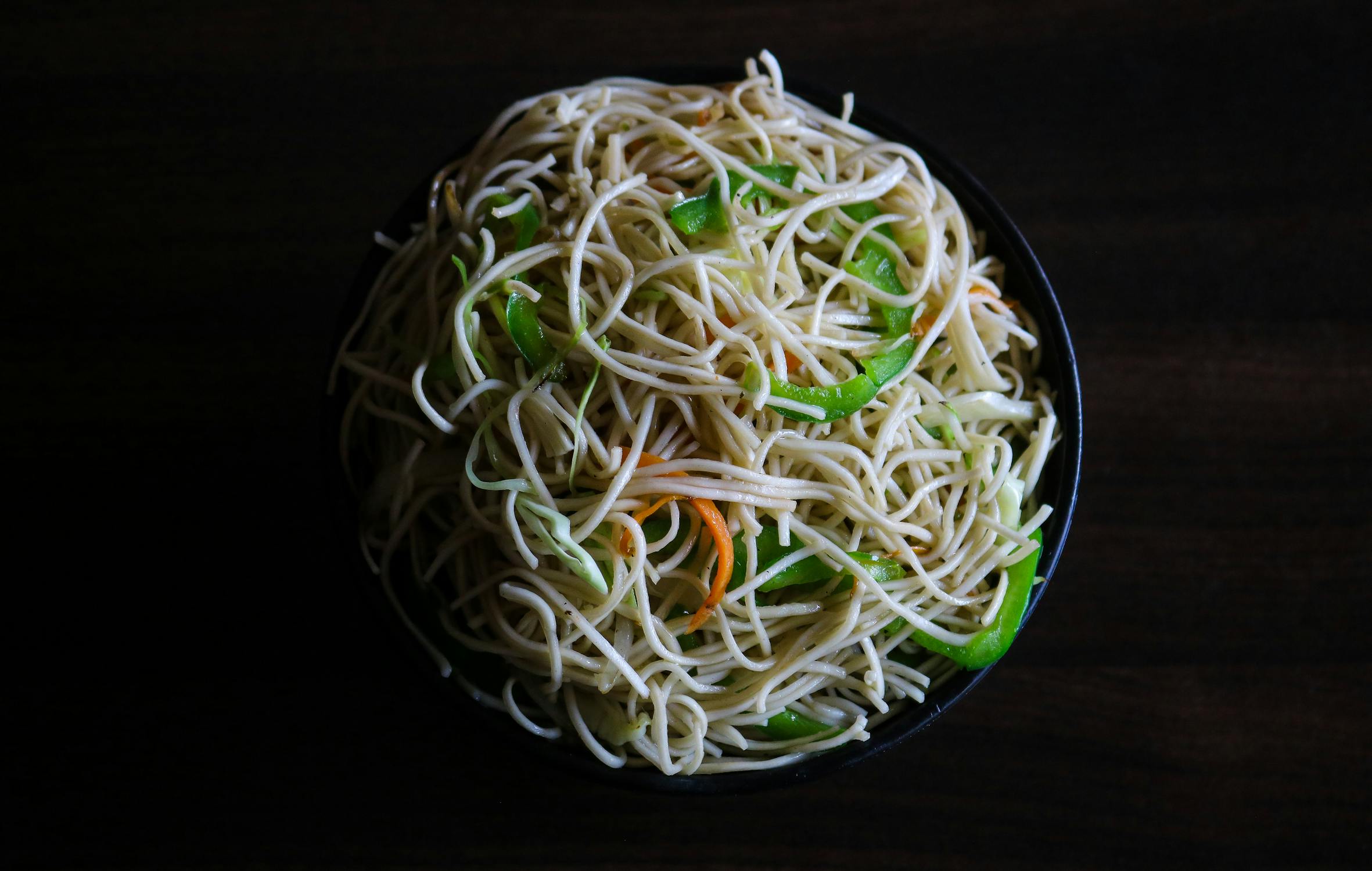
 thejourneyx