If you have not read The Vision, please read that first and then come back here.
To implement the mission and vision, I need to spend more and more time writing. Over time, I plan to gradually reduce the hours spent at my main job to focus more and more on the mission and vision.
If you would like to support me and the mission and vision, please consider the following:
donate to a mental health charity such as The Giving Blockor any of the ones mentioned in other posts
like and share content you think is useful and could help others
subscribe for free if you haven’t already to stay up to date with new posts
give honest and constructive feedback and suggestions in the comments or to jon@thejourneyx.com. This can be anonymous and will help me improve the content for everyone
start a private conversation: jon@thejourneyx.com
If you would like to financially support me and the mission and vision, I will donate 50% to a mental health charity and provide evidence of this on this blog. Do let me know if you wish to remain anonymous. Please consider the following:
Please be careful. Do your own research before you buy and never invest more than you are willing to lose. Keep your crypto in a private wallet with your secret/seed phrase and private keys safe (offline). I will never ask you for these. Do not trust anyone who does. I am not a financial advisor and do not provide financial or investment advice. I have no plans to write about Crypto.
After considerable reflection, I realise my understanding of vision was incomplete so I am updating and expanding this post.
Although I write a lot about mental health, I am not a medical or mental health professional – always seek professional help first.If you are experiencing a mental health crisis, seek emergency medical help immediately. Go to the emergency department at the closest hospital or medical centre or call the local emergency phone number or a helpline. At the least do not be alone; seek help from someone you trust.
First of all, I would like to thank each and every one of you for your ongoing support.
What started as a blog providing insight into the daily struggles of depression and tools to help those struggling is now evolving into something bigger. I am working on a new project; part of my plan to serve the world in a meaningful way.
One of my biggest dreams is to help millions of people escape from depression, anxiety and suicide and lead fulfilling lives, finding enjoyment and meaning along the journey. Through my own transformation, I aim to help people like me expand their horizons, see what is possible, dream again and move closer each day towards those dreams by sharing what I have learnt and am learning, but I needed a way to articulate this and make the dream a reality.
Along my journey, I have found two things that come easily to me: willingness to learn and writing. Time flies when I am doing them and they serve other people. I see this as passion (intrinsic interest) evolving into purpose (meaningful service) and eventual mastery (through disciplined learning and practice). From my purpose come my mission, vision and goals.
I believe passion, purpose, vision and mastery are the keys to a fulfilling life and all of these stem from core values, so I will share mine with you to show you where I am heading and how it all fits together. Just like me, this is a work in progress…
My Core Values
Family
Education
Service
Discipline
Love
Compassion
The Mission
To use my communication skills and skills in education to inspire the world to live fulfilling lives; to become a better husband, father, friend and coworker in the process; and to leave the world better than I found it.
How?
By leading by example – by living a life of passion (intrinsic interest), purpose (meaningful service) and mastery; by having a vision of a better future, and by enjoying thejourney.
By learning through regular reflection, receiving feedback humbly, studying, and mastering new skills.
By living with love, kindness and compassion.
By sharing the lessons I learn from my own continuing personal and professional development with anyone who wants to hear them.
The Vision
A world without depression, anxiety or suicide.
A world where everyone, everywhere, in every generation, has the opportunity to live a fulfilling life.
A world full of love, kindness and compassion.
How?
I believe that building a fulfilling life is one of the keys to fighting off depression, anxiety and suicide and that it comes from:
starting with the fundamentals:
seeing a doctor
self-care and safety
structure
physical health
relaxation
nature
social connections
and/then working on:
mindset
habits
constant learning
defining your core values
cultivating/knowing your passion (intrinsic interest)
realising passion into purpose (meaningful service)
developing a vision for the future
setting goals
skill mastery to achieve the goals and vision
openly seeking feedback
learning to enjoy the process and celebrating wins along the way
To achieve this vision, I will share the process outlined above in detail and continue to share with love, kindness and compassion as I learn and grow.
My Goals
The following goals are designed with the vision and mission in mind:
Noticeable improvements in my writing by January 2024 by practising 3-5 times per week, acting on feedback, reflecting, and studying.
Noticeable improvements in my communication, leadership, and productivity skills by July, 2023 through my current job, acting on feedback, reflecting, and studying.
Read/listen to 5 or more personal development/mental health articles/videos/blogs/books etc. per week.
Start launching Phase 1 of the project by the end of Q1, 2024.
Reach 1 million+ people and positively impact 10,000+ people by end of 2025.
Expand or adapt based on the success of Phase 1.
As a lot of details of the project are still to be revealed and these goals are very personal, certain details have been omitted. I have more specific and measurable versions of these goals saved elsewhere as a hidden post I will make public when success on the goals is achieved.
Supporting the mission, supporting the vision
If you believe in the mission and vision, or what I am doing brings value to you, I would love to hear your feedback – what am I doing well? What could be improved? Feel free to comment or email your suggestions.
Please also consider supporting the mission and vision by:
subscribing (if you haven’t already) and sharing posts or information you thought was useful
This is going to be messy and unorganized, but unfiltered.
I know there are people who have had it far worse than I could ever imagine and I feel deeply for anyone who’s gone through any kind of trauma. However, one of the biggest sources of pain and suffering that I see and experience in the world is judgement. My feelings are as valid as anyone else’s. We need to stop invalidating people’s feelings and start asking why people are behaving in the way they are and then deal with the behaviour with compassion.
Here’s my story–no solutions at this stage, only my account as I’m still processing it all (the gift of brushes with suicide). I’m sure the other people in my life will see things differently, and that’s okay. Their feelings are as valid as anyone else’s.
I don’t know exactly what happened to me during childhood, but the ramifications are clear to me now. Some of the signs are that I’m regularly stressed and dysregulated and tend to have addictive tendencies to cope and that I don’t remember a lot of my childhood. However, as I commence shadow work, memories have started to resurface…
I care about my parents and believe they were doing the best they knew how to. They were never violent and provided for my physical needs, but here’s what I remember:
I remember my dad used to threaten us (my brother and I) with ‘sanctions’. I remember he had to work far away during the week for a time–I was told he went through a really tough time during that time.
I remember being told (even now as an adult) that I didn’t look like I was enjoying myself when I actually am. I remember being told (even now as an adult) that I always did the minimum to get by. I remember my dad seeming to be proud of this.
I remember often being called ‘mummy’s little helper’. I remember not being taught independence. I remember not being prepared for the world when I left home–having to learn basic life skills by myself. I remember my mum crying and threatening to leave us (abandon us) when she couldn’t handle our behaviour (which was never violent).
I remember my brother and I laughing a lot and mum judging us as ‘silly’. I remember internalising that this was unacceptable to her. I remember the teasing when my brother showed interest in girls and my suppression as a result. I remember the loneliness. I remember wanting to be held. I remember my neediness. I remember the lack of social skills and consequently the lack of quality friendships.
I remember dad’s commentary of TV shows, judging other people’s behaviour and thereby implicitly telling us how I wouldn’t be acceptable to him. I remember hating being told what to do. I hated being forced to do things. I remember feeling powerless and controlled.
I remember the judgment. So much judgment. Not just from my parents, but from the church also. I remember judgment always superseding guidance. I remember my suppressed feelings of guilt and shame that still haunt me now.
I remember wanting to escape so many times. I remember not being able to be me and, as a result, not really knowing what ‘being me’ means anymore. I have a general sense of emotional suppression. So much suppression. I don’t know what ‘normal’ emotions feel like. Boys don’t cry (or smile, or laugh apparently).
I remember feeling unloved, unacceptable and alone.
I’d like to preface this by saying that I’m not a mental health or medical professional. If you’ve experienced any of the issues I talk about, please seek professional help. What I describe below has not been officially diagnosed for me, but is based on a lot of reading and introspection.
Below are my lessons from a recent suicidal experience–I’m me, you’re you. Maybe there’s something useful for you, but only you know that–use discernment.
It’s been one hell of a ride. This is me processing what the hell just happened to me …
The ride…
Not long ago I was feeling suicidal. That episode provided me with a choice: dig deeper than I ever have before and take on my dragon(s) for the sake of myself and my family or die. I chose to find a way to live and made growth my number one priority.
For me, extreme darkness often precedes explosive growth. In the depths though, it feels like there’s only one insidious way out. It whispers and beckons and invites me to end it all—comfort in the dark. Every time I believe I can’t succeed… until I do. It’s always when I’m most ready to give up that I see the light.
Weirdly though, it took university assignment deadlines to realise this. I’ve had a lot of them in a short time. I’ve had to write assignments from scratch, almost knowing nothing about the specific topic focus. The cycle is the same each time. I start to feel like I’m in over my head. I struggle through. I experience relentless self-doubt—not just, ‘Can I do it?’ but ‘How is this even possible?’
I struggle and struggle in the dark, pushing and pushing until something clicks and I start to see a pinpoint of light. Then it’s an equally long push, but this time I’m energised with hope and self-confidence as the light increases. I come out the other side exhausted, ruined for a couple of days.
My experience of suicidal ideation follows the same process on a much darker level. After this kind of episode, I reflect. Although I never really stop for fear of giving up, in the exhaustion that follows, there are pockets of stillness. The lessons start as a trickle and turn into a flood.
There’s something about the stillness in the aftermath, the necessary rest and recovery that allows me to hear and receive. Vivid dreams, resurfacing memories, a wealth of unlikely coincidences (or increased awareness) and connections. I’m finally listening to my body and soul again.
I’m going through an intense period of self-reflection and intense study to understand what the hell happened. I’m stabilizing, but I’m not the same man I was going into this. Fuelled by pain, fear and insights from people I encountered through my despair. Hopefully in the future, I can find a less extreme way to get the same results…
Lessons
A conversation on a helpline helped me realise I probably hadn’t been shown enough affection as a child. My experience of reaching out for help and not perceiving that I’d received the help I needed helped me realise I had fears of abandonment. My reaction led me to discover that I probably have an avoidant attachment style. And an insightful comment on a previous post helped me realise that I had probably experienced complex trauma which led me to look into healing my inner child and doing shadow work.
It seems my issues probably stem from emotional neglect in childhood (despite my parents’ best efforts). I experience stifled emotions (and possibly alexithymia) and have limited, but repeated memories (I’m looking into the significance of these).
I’m fiercely independent, yet I want to collapse in someone’s arms (societally unacceptable for a man). I long for connection, but often avoid it. I delve into work and other addictive things. I logic my way out of having to feel, and I take things personally and feel abandoned when I reach out for support and it doesn’t work out how I hoped (see this post). I avoid conflict at all costs.
The most interesting realisation is that I’m regularly drawn to parent figures. It’s like I’m looking for the help I didn’t receive as a child. I also fear putting my own child through the same issues, so I feel I have to fix myself before the damage is done (if it hasn’t been done already) or before I do anything unfixable. My mission is to end the generational cycle—it feels like my parents are following a program that they learnt in their childhood.
So I got hold of every book I could about attachment styles, CPTSD and Complex Trauma and have been working my way through all of them. I also began asking myself progressively deeper ‘why’ questions, and my behaviours have begun to make sense.
Understanding is the first step to change. As I learn why I do/think/feel things, I begin to learn to accept them, but also realise that I have the power to change them. This enables me to figure out how to move forward.
I’ve found that you have to be really willing to delve deep into shadow work, but I’ve come to a point where I feel that if I want to survive and become the best I can be for my family, I’ve realised the only way forward is through.
I think of myself as resilient, but after surviving suicidal ideation, this is the hardest thing I’ve ever had to do—I’m effectively forcing myself to relive trauma to free myself from its hold. It’s harder than I ever imagined–outside of actual survival mode, I’ve never felt so drained.
If you have any questions, feel free to ask. Eventually, I hope to move on to more constructive posts, but I’m currently in the processing phase. Thank you for reading.
If you are dealing with similar issues, please talk to a qualified mental health professional.
I believe I’ve figured out the cause of the hearing and vertigo issues I mentioned in previous posts.
It seems like the simple answer is a weak immune system. It appears that through years of ear problems and stress, the symptoms of temporary hearing loss and vertigo come whenever I have had some kind of mild illness, such as a cold, cough or flu. When I think about each time it’s happened, I usually had these symptoms in the days before.
While I haven’t figured out a cure as such, I at least know that it probably isn’t a long-term, permanent problem as I feared.
I have a rare month with nothing to worry about. I did well in my first semester, and I won’t know what I’m studying next semester until it begins. I’ve had a lot of time to think.
All this time off means for the first time since my child was born, I have four whole weeks of quality time together as we’re both off school and we decided to take him out of day care to give him a break. Next year he’ll be at school every day, so I wanted to enjoy these last opportunities to spend lots of time together.
With all this time on my hands I feel a bit like I’m drifting. I don’t have the time I thought I would to work on personal projects. Additionally, I thought we’d all be really happy in this new environment, but I’m finding myself missing some of the things we left behind.
I’m now thinking that at the end of my studies we’ll probably go back, but live somewhere a bit less busy and with better weather. That will be the last time we move while my child is still young.
This is the hardest decision we’ll have to make, as it’s no longer just about us. I know for sure I don’t want to go back to my home country, but wherever we are, one or both of us has to sacrifice being with family.
With both of us having ageing parents, it makes everything so much harder. It all comes back to money. Without extra money, we won’t be able to visit family and friends, yet we have no retirement or property to our names.
This is our last shot at making a big positive change to our lives. Hopefully, by the end of the two years, we end up with at least the savings we started with-my study is costing us a fortune with International Student fees and a high cost of living.
This isn’t the place I remember. I think I had rose-tinted glasses looking back. We were both younger with no kid and the freedom to change jobs and locations whenever we wanted. We did so many road trips back then. Now time is pressing, and we have little to rely on financially as we age.
Living somewhere with a young child is so different, and I want my child to attend school and make friends.
With money and free time I think we could really live a good life here, but it seems we could do even better in the right location where we moved from-especially once I graduate as a teacher (and especially if I work in a private school). However, I’m glad we came here to find out, otherwise, I’d probably regret it forever.
Since we moved to a new country and I began my studies, I’ve realised that if I’m always chasing, I’ll never be satisfied or content.
I haven’t given up on the idea of running my own business, but I’m finding it hard to see that working here.
The problem is that now I’m focused on my studies and building the skills I need for that until the end of the two years. Then I’ll likely be working a stressful job again, which will take time, energy and focus from building a business. My most valuable resource (time) is slipping away. I’ve gotta make it count!
Lessons I’m learning:
Things may not be as rosy as you remember them – as time passes, we change
Having a child influences your options and decisions massively
Don’t be in such a hurry to leave where you are now
Be grateful for the good things in your life – stop chasing happiness
Here’s my state of mind during a recent mental health crisis:
Can’t go on. Have to. Back here again. Thoughts of suicide. Pain unbearable.
“But you’ve got so much going for you. You have a wife and child who love you, a roof over your head and no financial problems. You’re going to be a teacher and earn more money. How could you do that to them? You’re so selfish.”
That’s why I’m so alone. I can’t talk to anyone about this.
The struggle is guaranteed; success is not. Every step forward is every ounce of me. No shortcut to success, but there’s a shortcut to failure. I want to go to sleep and never wake up.
And yet, I’ll struggle on…not for me, but for my family.
In my last posts, I described a brief mental health crisis I went through. The lesson I’ve had to re-learn is that I need to re-shift my focus to what’s in my control. I need to take full ownership of my situation because no one else can or will. It’s nothing personal; it’s just that everyone has their own priorities. In this post, I’ll show you how you can help yourself by focusing on what is in your control.
In my particular circumstances, I lost faith in myself to resolve my own problems, so I did what you’re supposed to do—I reached out for help. In the previous post, I described how that didn’t work out for me (but please do reach out for help if you’re having mental health challenges).
When you think about all the problems that surround you, it can be overwhelming. The question that helps me in these situations is: “What’s in my control?” I focus on what I can do and then do what I can. However, sometimes I forget and need a reminder of this…
So, in my most recent crisis, seeking help was in my control. Receiving help was not. That was the mistake I made (not for the first time). The people I reached out to had too many other people to help so the priority is to move people on to the next treatment as soon as possible, regardless of what’s best for the individual. It never seems to be about curing the problem. How could they know what’s best for you after speaking to you for a few hours maximum? Ultimately, I’m the one who knows me the best, so it’s ultimately up to me to navigate.
In my situation, I had put myself in an unbalanced power dynamic. By outsourcing my problems, I was essentially handing over responsibility for my health to others. People who don’t know me or care about me. These people may or may not have been able to help, but they certainly couldn’t make me healthy. In the end, I didn’t receive the help I needed; instead I should have been looking for ways to help myself independent of any possible help I may have received.
Now that I’ve decided to go it alone, what’s in my control now is reminding myself of my reasons to keep going, making a little progress each day and repeatedly coming back to the present.
Seek the help you need, but focus on what you can control. Be careful of your expectations. Accept that you only have control over seeking help, not receiving it. You can’t control what other people say or do, but you can choose how to respond. Learn what you need to do to get and stay healthy and choose something you can and will do each day to work on that. Noone else can do that for you. You know you the best—trust yourself. Be kind to yourself.
I recently went through a mental health crisis. While I encourage you to follow the ideas in this post I wrote previously., I’m going to explain why those resources failed me in the hope that someone who works in mental health sees this and has the power and motivation to do something about it. I also hope that by sharing, people get more insight into the challenges faced by people who experience depression and suicidal ideation.
Before I go on, I want to make it clear that just because things didn’t work for me, you should definitely seek help if you need it. You’ve got to do whatever it takes to keep yourself safe and on the road to recovery.
I’ll outline what happened first, and then I’ll explain why it was unsuccessful for me in my circumstances (yours are different).
I started experiencing a barrage of suicidal thoughts that fractured my concentration, so I set up a counselling session. In the meantime, I reached out to helplines when I was most distressed. The helplines gave me quick actions I could take that would be positive steps towards getting help. I then attended the counselling session and was given more actions I could take. I spiralled shortly after and called more helplines. One directed me to be assessed at a mental health facility. I was eventually assessed, offered medication and was encouraged to speak to my GP to set up counselling and TMS.
All sounds positive and productive right? So what went wrong?
Barriers. Mental health crises are exhausting—you just need help ASAP. I did what I was supposed to do, but I faced several challenges. It seems all of the helplines are overwhelmed, so you sometimes have to wait for hours and their goal is to get you off the line within 20 minutes. They do this by listening and then offering options for you to try after the call. It’s hit and miss how experienced or intuitive the person on the other end is.
Counselling has been the most effective treatment for me, but it’s too expensive. There are free options available, but you are limited on how many sessions you can have and they are always spread out. You also get no say in who your counsellor is.
During my counselling session, my counsellor asked me about whether I would consider medication. I retold my story about how medications turned me into a zombie and ruined my cognitive functioning. The counsellor then told me about Transcranial Magnetic Stimulation therapy (TMS), which can be effective in people for whom medication hasn’t worked. I looked into this, but it turns out you need a referral from a GP (General Practitioner). More on this later.
I booked another counselling session and later experienced a downward spiral of suicidal ideation. I tried to get through to more helplines and wasted hours doing so. Eventually, I got through to one that recommended I get assessed by the local mental health team. They gave me a phone number which turned out to be somewhere on the other side of the country. However, the kind man on the phone directed me to my local centre.
I turned up at the local centre and was told to wait. I got impatient and they told me it wouldn’t be long. An hour and a half later, my morning was gone and I decided I’d be better off at home. They called me later and arranged for me to come in another day.
I came in as arranged and they kept me waiting again. Eventually, I was assessed by a psychiatrist who went through my whole history again and, despite me telling them that medication hadn’t helped me in the past, the psychiatrist offered medication (including one I had told them didn’t help me). I rejected this, and they told me that there was essentially nothing they could do for me. More of my time and hope wasted. However, they suggested I go to my GP to get a referral for 10 free counselling sessions.
So, for 10 free counselling sessions and TMS, you need referrals from a GP. I set up an appointment to see a GP initially for the TMS referral, but after I learnt about the 10 free counselling sessions, it made sense to ask for both at the same time.
However, GPs are gatekeepers. If you have a minor illness, you’re better off not wasting your time and money going to a pharmacy and just buying medicine there instead. Some medicine requires a prescription, and seeing a specialist requires a referral, so if you need either of those, you’re in the GP’s hands. Then, once you have your referral, you need to arrange treatment times with another provider. After that, you may have to wait weeks or months for a suitable time or schedule of treatment.
As planned, I went to a GP for a referral for counselling and TMS, but after retelling my story again, I was offered an info sheet with helplines and told to come back for another appointment to set up a mental health care plan.
After all of this wasted time with no meaningful help, I’ve decided to go it alone. I’m not going back to the GP and I’ve cancelled the counselling. I can’t bear jumping through more and more hoops with no end in sight, retelling my story to more and more people who just want you out the door as quickly as possible (with the exception of the counsellor).
Each time it looks like there’s help, there’s a barrier in the way, be it gatekeepers, availability, time spent, lack of punctuality or cost. When you are frazzled from battling your own mind and fighting to keep everything functioning normally, false hope can be incredibly dangerous. I choose to go it alone because I can’t bear my hope being shattered again and I’m the only one who can get through this. Noone can do it for me.
However, I’ve had to be careful about how I go about closing the loops I’ve opened. I was told quite frankly (after asking) that if I’m deemed to be a risk and I refuse help that they would put me in hospital against my will. So, I’ve told them I’m doing better (which I am) and that I’m doing things to put myself in a better position mentally. I imagine, by the way they’ve treated me that that should be enough for them to tick their boxes that I’m ‘safe’.
Those are the systemic problems. Now I’d like to address my personal issues with reaching out for help.
Because of the nature of what I’m going through, most of the people I speak to don’t, can’t or won’t understand what’s going on in my mind. Having been burnt in the past, I also don’t talk about it openly because people either don’t want to hear it or they can’t see why you would feel the way you do. My basic needs are met. I have no financial or relationship issues etc.—what’s the problem? Or people judge: “How could you be so selfish?” Or people take it personally: “Do you not love me? How could you think of doing that to me/us?”
I’ve never really wanted to kill myself, I just feel so alone because I’ve been in pain for so long and no one understands me. When you’ve been in pain for so long despite making progress and doing the ‘right’ things, it’s exhausting. I just want peace. And for someone who always tries to use logic to solve problems, sometimes the idea of resting in peace makes a lot of sense. But then I remind myself of my reasons to keep fighting, I get up and push on.
Another reason I don’t discuss this with anyone is that I don’t want any disruptions to my life. I’m a high-functioning individual and don’t want anyone in my family to know what’s going on (for the reasons above). If I end up needing treatment, it needs to fit into my normal schedule without affecting my family time.
Additionally, if I end up in hospital against my will because someone deems me ‘at risk’, then my future plans will get disrupted, it will affect my family and would cause me further distress. I need my life to carry on as normal; routines and progress keep me going. I just thought that receiving some support would help me to do that more effectively.
However, the message I’ve received in several countries from mental health/medical professionals is that my time isn’t important unless my death is imminent—I don’t matter. Despite retelling my story so many times, no one is listening, and my feelings don’t matter. If you set an appointment, honour it. I have as much time available to spend on seeking ‘help’ as they do making time for me now.
I know people will say that services are overwhelmed, but does that mean we have to lack compassion? Do people need to suffer more than they already do? Maybe if enough staff were hired and treated well, they might pass on compassion instead of trying to medicate you and get you out the door ASAP.
So, in the end I’m alone. The ultimate message I’ve received is that it’s 100% up to me to navigate this. This leads me on to our next post: Control.
I’m just coming out of a deep, dark, suicidal depression that’s lasted for the past two weeks or so. I’ve experienced depression since I was a young child and the lesson, I keep receiving from most mental health professionals is that my problems aren’t serious enough.
I tend to get waves of suicidal ideation from time to time and every single time I feel so alone and that there is no hope. It feels like no one understands. On the surface, my needs are more than met, so why would I think about killing myself? How do you explain that to anyone who’s never been here?
Back to the point. At my lowest points, I always realise that I could never do that to my family. But what if one day I could? I’ve always managed to logic my way out of my problems or find something to hold onto. But what if one day I can’t?
Mental health professionals assess me, decide I’m not in immediate danger and then nudge me away from their care. Ultimately, I’ve learnt over and over that despite some well-meaning people wanting to help, the timely support just isn’t there.
It seems the only way I could get the help I need is to tell them I’m planning to do it imminently. But, why would I do that? Essentially, I’d be asking them to legally imprison me (for my own safety). And if I were planning to do it imminently, why bother telling anyone who could stop me? Surely the goal should be to cure the disease. Medication isn’t enough. Triage isn’t enough.
So you learn to cope by yourself. Noone I can talk to because the only person I know who has been through this is dead (by suicide). I only have myself and my resources–dangerous when your mind turns against itself as I recently discovered.
So how did I come through this time? As always I bounced back over a couple of days—all or nothing I guess. A psychologist I was seeing twisted the knife when they realised how much I care for my child. They told me how much it messes up family, especially kids. (She was just doing what she could to protect me). I was initially so angry about being told that—it felt like manipulation and torture. I wanted to sleep and never wake up, yet through my gut-wrenching sense of compassion, the idea of doing that to another person, especially my own child, was too much. I felt stuck, angry, sad.
So I thought about it from a different point of view. If I could never do that to my child, how can I be the best father for my child so they never get in my position (or at least know how to navigate it). And that’s what’s keeping me going. Hope.
If you ever feel the way I’ve described, seek help immediately, but make damn sure you have things to hold onto. Things to cope, things to keep you going. Hope.
Introduction After almost a decade of studying and living personal development, I’ve come to realise that a lot of the advice (including some of my own!) on making goals is convoluted. This puts many people off and makes it hard for them to achieve their goals.
Goal-making doesn’t need to be complicated. I’ll walk you through my process. Let me know if it works for you.
Start with the end in mind Start with something you want to improve or something you want to be/do/have. The time scale is up to you, but it has to be something you really want.
Work backwards from there and work out what you would need to do to get there. If you would be willing to do what it takes, work on moving toward it step by step. If not, choose another goal.
Harness the power of focus and commitment Try to allocate at least 2 hours of your day to work on it when noone is around. Get up earlier or go to bed later than everyone else if needed. By focusing on one goal intensely every day your progress will compound.
Avoid competing goals It’s okay to have multiple goals, but if you have more than one goal, decide which one is the most important right now (or supports a bigger goal) and spend your 2 hours on that. If you have time left, you could work on one of the other goals or continue with your primary goal.
Once you achieve your primary goal, move on to the next most important goal to you.
Be flexible Sometimes things don’t work out as you thought or unexpected opportunities arise. Think about the big picture: if something doesn’t work out, try a different way; if it’s not for you, set a new goal; if an opportunity fits your goals, take it.
Personal examples Around 2016, I started learning about personal development. Eventually I decided to start this blog as a way to help people understand depression and hopefully be able to help reduce it. Eventually, through my learning around personal development, depression became more manageable. The blog later evolved to be more about helping others. I then decided to write a series of personal development posts.
Originally, I had small goals, but by choosing to listen to/read at least one personal development video/book per day, my world was opened to what was possible and what I wanted. As a result, I put the series on hold because I had competing goals and had to choose one.
In another example, around 2020, I decided I wanted to go for a job with more responsibility. I wanted to become a manager. Originally, I had planned for this to be around 2024 when I would have had more experience. However, a management job came up in 2022 and I thought I’d have a go at applying. I ended up doing that job for over 2 years.
I learnt a lot from the job and the leadership there, but I realised that it was time to move on to a bigger picture goal. This was to move to a country my wife and I had been to before and loved. To get a visa, we realised I needed to study. Because of my TESOL teaching background, I decided to become a High School teacher. This gives us 2 years to figure out a permanent plan for staying here long term.
We’ve been here since February 2025 so far and I’ll provide updates as life progresses. The next stage is to complete the degree. After that will be finding a school that will employ me and help with the visas.
Once I start working, I plan to resume the series and build experience to feed into my bigger picture goals of service, starting my own business (a school probably) and F.I.R.E (Financial Independence, Retire Early).
One of the reasons I document my journey through this blog (and why I don’t edit or delete old posts) is to inspire others to show where I came from and what’s possible. I plan to continue this for many years to come and I hope over time, people like you will become inspired to make improvements in your life, no matter how good or bad you perceive your life to be right now.
Join me: thejourneyx continues…
Conclusion
Work backwards from what you want to be/do/have (small/big/short-term/long-term)
Decide if you’re willing to do the work whether you succeed or not (things will get hard/boring!)
Choose and commit to one main goal
Carve out time each day to work on it
Focus
Be flexible
Get started! (Some of my goals weren’t apparent when I started setting goals. You’ll find your way once you get started. So get started.)
Posts will continue to be sporadic, but I’m still here. Here’s an update of what’s been going on in my life:
It’s been a significant time of transition for my family and I. My job in management ended and we moved countries all as planned.
The main reason for the move was quality of life. Although our income to cost of living ratio in the last place was decent and we had family and friends nearby, there was a notable time and energy cost. The place we moved to is less populated, closer to nature and has a slower pace of life.
It’s time to heal from five years of sacrificing physical and mental health. It’s time to find myself again and be more present with my family.
I’ll be studying for two years to become a government school-qualified teacher. This should give us a decent income and allow us to stay here long term. If not, we at least have more options. This move is one phase of a bigger plan that began a few years ago and will continue for several years. The process has shown me the power of setting lofty goals and fighting every day to live up to them.
It’s been a rollercoaster of a journey so far. I’ve lost count of the number of times I’ve wanted to give up, but I keep fighting. However, despite the change, old problems are now replaced by different ones.
Before, the main pressure was the workload. Now there are several: passing the course to a decent standard, finding a job at the end that will help us get the next visa, balancing study and family life, and surviving two years with no income. The good part is that the course has sprints and rest phases built in, so that helps a lot. I’m currently in the first sprint phase so I probably won’t be back here for a while.
So, has it been worth it? Wrong question.
How could you ever know? I’ve only walked this path, so I’m a product of the journey so far. I have nothing to compare it to. I am who I am because of the journey I’ve taken. I can’t change anything; I can only aim to get 1% better each day.
Have you checked in with yourself lately? How’s everything going for you? Are you happy where you are or are you ready for a change?
I wish you a very Happy Christmas! No matter how 2024 was for you, I hope that your 2025 is even better. May the coming year be full of joy, peace and love.
This is my recent personal experience. It’s going to come across as self-centred and dark. However, I’m sharing it so people can understand and get into the mindset of someone going through suicidal thoughts. If you are experiencing suicidal thoughts, seek professional help immediately.
This time is different. Last time I was in despair and felt I had no other choice. This time I feel relieved to have this option and I’m at peace with it. If I die, I’m okay with that.
In the hope of climbing towards something meaningful, I’ve pushed myself harder and harder and lost myself in the process.
I’ve been in overwhelm in my personal and professional life for several months. Finally, I can see the light glowing through.
The suicidal thoughts returned again. I thought family would be enough to stave it off. However, my situation over the last few years has distanced me from those I love. I’ve been experiencing varying levels of burnout.
Burnout kills empathy. I feel a shell of the former compassionate person I once was. It’s been hard to avoid becoming bitter, but somehow I’ve pulled through. I thank my family and bosses for that. I’m here longer than I thought I’d be.
I’m moving away from the situation that’s been destroying my mental and physical health. I’m moving toward the promise of something better for the whole family. Yet I know that if hope is lost once again suicide is an option. This gives me peace knowing I can check out at any time.
I have no plans to do so, but it helps me to get on with life. I’m going to give it everything I’ve got to make the new situation work so we can all thrive. Bring on February!
Intro Sometimes you need to say no and cut down. This will allow you to do fewer things better. This has been my journey over the past two years.
Overload I had two jobs and was studying for a diploma. I was also raising a child. I was consuming as much ‘educational’ content as possible.
It sounds silly now as I write it out. It should have been obvious that it was too much, but that’s often the way. You can easily spot the unhelpful things other people do to themselves. However, you can’t see what you’re doing to yourself.
Re-evaluation Thankfully, I have a mentor who could see what was happening. He suggested I re-evaluate what was really important and necessary. It took me two years of getting regularly unwell to really listen. , but I quit one of the jobs, postponed the study and focused on my family.
Cutting back Before I pruned my lifestyle, I often found myself anxious, depressed, muddled and slow to think and react. I procrastinated often. I don’t know how I spent most of two years in that state. I guess it’s kind of like being caught in a blizzard. You have no idea if you’re still going in the right direction because you can’t see clearly.
Regrowth As I cut things back (gradually over a year), I began to notice my mental bandwidth increase. I was able to think more clearly and began to become biased for action. My confidence grew. I’m started producing more quantity and quality at work. This was important progress, but there’s still plenty to work on.
Health problems I learnt a lot from the last two years. However, pushing your mind and body for so long causes longer-term problems. It’s inevitable. It should only ever be a short-term push to get something over the line. You can only redline for so long before something breaks. In my case, that’s my health. I’ve made meaningful progress in my mental health, but my physical health is lacking:
Over increasing intervals, I’ve been experiencing temporary hearing loss and vertigo
I regularly feel depleted of energy and it takes a longer time to recover. It’s like no matter how much I rest, my battery is leaking energy
I’m unfit and overweight
While this is my current reality, it doesn’t have to stay that way. A long-term lifestyle change is the only chance I have of fixing this (if it’s not already too late).
Solutions It took getting unwell and unhealthy enough to take action. Hopefully you don’t need to get that far to learn this lesson. To improve things, I’m now doing the following:
Simplifying and scheduling my routines
Scheduling windows of productivity and restful periods in dedicated time blocks
Being ruthless about what content to consume and when (I’m focusing on audiobooks I’ve actively searched for on a specific area I want to master)
Deleting apps and unsubscribing from YouTube channels and emails if they don’t fit my goals
Following the Wim Hof Method (for me this means cold showers and breathing exercises)
Seeing a doctor regularly to diagnose and treat the health issues
Managing my energy
Slowing down in general
Learning to relax instead of always trying to consume or produce
Learning to recognise my wins
Reviewing the above on a semi-regular basis
Planning a future that’s better for family life and health (and executing on that plan)
The future We’re planning a move to another country and for me to study there for two years. The goal is to improve our prospects and give us a better lifestyle. While this plan has its pressures, it’s in a place we love. We’ll be close to family and nature and for two years. Also, I’ll be able to focus on my studies and family.
The environment where we plan to move is better suited for children. The work culture is different and should help give me the space to fully enjoy spending time as a family. I hope my child will also be able to feel that Daddy’s getting better.
I also hope they will see Daddy’s more able to play with them. I don’t want my child to grow up with their dad unable to play and be present with them. I don’t want them to get used to hearing “Daddy’s tired”. Quality time is more important than quantity (although both would be perfect).
I plan to schedule my study and family time to allow me to focus on one at a time. Currently, my job spreads my focus in several directions and gives me little choice over what to focus on. I want to master one area. And when I’m not actively doing that thing, I’ll be with my family enjoying life.
Vertigo It’s been a rough week. I had two major vertigo incidents. One ruined our Sunday plans with friends and family. The other happened quite publicly at work. Now more people know.
With hospital visits and sickness, I’m having to take a lot of time off work, but health takes precedence. It’s just hard when I go back because the work piles up while I’m away, causing extra stress.
Hospital visits I’ve had several hospital visits since my last post: Ménière’s? Honestly, it’s hard to stay positive.
All of the possible diagnoses related to the vertigo and sudden hearing loss are incurable or degenerative. This is the third doctor I’ve seen and he is an ear specialist. I may consider getting another opinion depending on how the current plan goes.
The plan The current plan is to have a weekly injection of steroids. This will be done through my eardrum and into my middle ear. I’ll also be doing other tests to rule other things out. I had the first steroid injection two days ago, and it was awful.
Hospital procedure First, you go into the freezing cold operating theatre. Then, they hook you up to a heart monitor and put a strong painkiller in your ear. It’s like cold, loud water rushing into your ear. Then you wait for it to kick in.
The heart monitor showed me how nervous I was, so I used some breathing techniques to try to calm myself. The waiting is the worst part. Eventually, the doctor returned and used a suction device to remove the liquid. Then it was time to put a needle through my eardrum and inject the steroids.
It wasn’t very pleasant. It all feels unnatural. The force of the liquid going in made me feel like I was going to throw up (I didn’t). Then it was all done, I rested then they discharged me. I have to repeat this process three more times.
Next steps If the injections don’t work, the next thing to try is a hyperbaric chamber weekly for five treatments. The idea is that 100% oxygen will help damaged tissue heal faster.
Whatever it takes (breathe!) This gave me an idea. If the point is that I need more oxygen, then breathing techniques may well help alongside. As such, I’ve started easing myself into the Wim Hof Method.
I also took inspiration from Hal Elrod. Although I’m not dying, I want to try everything I can. I want to boost my chances of recovering my hearing and reducing vertigo. I’ve also seen traditional Eastern medicine doctors.
I figure if it’s not going to interfere with the other treatments or cause any harm, why not? It seems I have a limited time to fix my ear before the damage is permanent (if it isn’t already).
As I said, sometimes it’s hard to stay positive. However, there are still options that could work, and I can always try other specialists.
Hope Although I’m facing challenges relating to vertigo and hearing loss, there is always hope. There is always something to be learnt. So far, I’ve learnt to pay more attention to health and I realise now how precious time and health are.
I wish everyone excellent health and I encourage everyone to assess whether your current lifestyle is working for you.
Over to you Is your body telling you it’s time for a change? If the answer is yes, please don’t leave it too long. The time to act is now. Do whatever it takes to protect your health, peace and joy. And always seek medical advice from a professional.
What changes do you need to make to make your life more healthy, peaceful and joyful?
What have you learnt from listening to your body? We’d love to hear from you.
Progress is a core part of fulfilment. The only way to make meaningful progress is through consistency. Never miss twice.
First thing’s first. Know (roughly) what you want. Do you want to learn a language? Do you want to read more books? You don’t need SMART goals, but you at least need a direction. You can always adjust course or get more detailed later. The most important thing is starting.
Once you know your direction, the first phase toward meaningful progress is getting into a good routine. The second is protecting that routine.
Phase 1 – getting into a routine
Start with the smallest thing you can and will do toward your new aim. It’s important to build momentum. If you want to learn a language, start with something fun and basic. Examples include Duolingo, a phrase book or a simple video. Get a feel for it. If you want to read more, go to a library, online library or a bookshop. Get hold of a book that looks short, easy or interesting.
Use a visual cue, such as putting the book on top of your phone/shoes/keys/wallet. Alternatively, set a reminder to practice on your phone to keep it at the front of your mind.
Set a time each day when you’ll be free of distractions to do that new habit. I often find the early morning best because most people are still in bed, but do what works for you.
During the ascribed time, you do only that thing. Start with committing to a small amount of time–for example, 2-5 minutes. Allow yourself to be free to stick to it or go over the time. However, don’t set a longer time until the routine is established.
Once the routine is established, you can drill into more detail such as:
Am I learning this language for a holiday or to live in that country?
What level do I want to achieve and by when?
How much time do I want to study per day?
How do I want to study? (Books, classes, apps, language partner etc.)
Or
Why do I want to read more books?
What kinds of books do I want to read?
How many pages/chapters do I want to read each day?
How many books do I want to read by when?
How much time do I want to read per day?
The key is to not kill the joy of doing it. Keep it simple and something you want to do. You might not feel it every day, but it keeps it easy to maintain.
Phase 2 – protecting the routine
Now you’ve set up your routine, it’s important to protect it. It’s much easier to maintain a routine than to restart one. Things that upset the routine include lifestyle changes, being unwell, holidays or other unexpected events.
It’s important to build flexibility into your routine. Perhaps you can’t/don’t do the habit at the usual scheduled time. Is there a secondary time you could slip it in, even for 2-5 minutes? If this is to be for more than one day, how can you ensure you remember to do it? (Calendar? Visual cue?)
The biggest thing that will stop your progress is you (procrastination). So, when the set time comes to do your habit, the only thing to do is to get started immediately. As long as you hesitate or distract yourself, there’s a good chance you won’t follow through. JFDI.
By setting it as a routine, you reduce the cognitive load. You don’t need to think about what you need to do. You do the same thing at the same time, in the same place every day. You don’t need to fumble around finding things to set up. You just do.
If you do miss a day, forgive yourself, don’t try to catch up, but never miss twice. Once you miss multiple days it can be very easy to let everything slide. This is not the approach. Just get back up and start afresh.
Building a visual winning streak (e.g. Xs on a calendar) helps some people see their progress and not want to break it. See what works for you though as seeing broken streaks can also be demotivating for some people.
Be very careful what you say yes to—what you add to the routine. Remember your original aim. Will adding an extra thing to the routine help that aim? Only add in things that well help your original aim. Will adding something make the routine less enjoyable? If so, you’ll be more likely to miss days.
Equally, don’t allow the routine to become stale like you’re going through the motions. To avoid this, keep notes of ideas you have as you follow your routine. These ideas can lead to further action or expansion. This usually comes in time.
For example, reading one book often leads me to read about other topics or read other books. I then explore these as I work through my ‘playlist’ of future reading.
It’s good to (gradually) build a pipeline of possible avenues to go down as you progress through your habit. But always remember the reason you’re doing the habit and regularly reassess whether you’re enjoying it. If you’re not enjoying it, try removing some pressure. What would it look like if it were fun/easy?
The last point is about tracking. Once your routine is established, it can be quite motivating to keep a record of how you’re doing. It also tells you if you’re moving closer to your aim or not. One simple way to do this is to have a short, daily checklist of your expectations for the day. (Did I…?) If you journal, you could add it to your journal. But remember, keep it fun!
By establishing a new routine, you can make meaningful compounding progress without huge effort. By making consistent progress in something meaningful, your confidence and self-esteem will grow and you’ll feel much happier.
What new routine or habit would you like to start?
Why not start today?
If you’d like to support my work, feel free to share with someone you think might benefit from it.
If you’d like to support my work financially, feel free to donate via the donation box on the home page or donate:
In my previous post, I mentioned that work and separation from quality family time were making me sick. I meant this literally.
Doctors suspect I may have Ménière’s Disease. The word ‘disease’ always sounds scary. In this case, it’s nothing life-threatening, but it is a pain in the ass. The definition and diagnosis of Meniere’s Disease should be left to doctors – it hasn’t been 100% confirmed for me at this stage anyway. I can only describe my experience so far.
Sometime last summer (around a year ago), I was delivering a training session when I realised I couldn’t hear people clearly. It was mostly in one ear. My ear felt full. This lasted a few days. I thought it odd, but it passed and I didn’t think much of it.
I don’t remember the order of what happened, but gradually this began to happen semi-regularly. New symptoms started and escalated. Dizziness, vertigo, overheating, vomiting and an upset stomach.
With more experience, I began to recognise the onset. I’d start to notice my head didn’t quite feel right or my vision was slightly off. Not like when you’re tired, more like the start of drunken vision, but without the alcohol. Not long after, I would feel a fullness in one ear and experience a drop in hearing.
Knowing what was coming, I could take the medicine prescribed by the doctor. Medicine to drain the fluid in your ear that’s potentially causing the balance issues. You end up peeing a lot. Sometimes it helped, sometimes it didn’t. Then, gradually symptoms started happening at least once a week with little to no warning. Medicine was of little use by this point.
It can be so incapacitating. Can’t move my head, can’t walk, can’t drive, can’t eat, can’t hear clearly. I know the drill: lie in one position, moderate my temperature with sips of water and wait for it to pass. Sometimes it’s an hour, but more recently it’s a whole day. If I move, it gets worse and I’ll ultimately vomit until there’s nothing left.
However, in the past three weeks, the symptoms have changed. I’ve lost 25 decibels of hearing in my left ear and it hasn’t come back. It’s like someone switched off the volume. It makes me feel like the world is a little more distant. I’m also experiencing a constant tone in my ears, not unlike in the movies after a bomb goes off.
In addition to the above, I have a general feeling of being unwell. The other weird thing is that the vertigo now only happens briefly when my ear pops. Doctors have told me that everything including the hearing loss may or may not be reversible.
So, the next few weeks will involve regular check-ups and tests to get to the bottom of it and hopefully prevent permanent hearing loss. Thankfully, it doesn’t seem to be a tumour as the scans came back clear. For now, I’ve been told to avoid salty food and caffeine as these are reported to make things worse.
At times, the situation saddens me because it’s robbing me of quality family time. It’s also pretty miserable feeling consistently unwell and, at times, not being able to do anything. However, I can still function most of the time, I can still earn money and be with my family.
It’s important to stay positive because from what I can tell, there may be a connection between the symptoms and stress. Therefore, in a vicious cycle, the more I worry about the symptoms, the worse it could get.
My job is stressful. Raising a family that I don’t get to spend much quality time with is stressful. Sometimes the attacks come on when the stress isn’t any higher than usual. Although I’m told it might be incurable, it is manageable.
The best I’ve come up with in the short term is to take medicine as prescribed, manage my stress levels as best I can, and use my holiday allowance. My biggest concern is the potentially life-changing effects of permanent hearing loss and how far it could deteriorate.
However, there is hope in the long term. Having had plenty of time to reflect on life when I went back to my hometown to say goodbye to my grandfather, I realised that something has to change. I can’t go on like this.
I believe my symptoms are a message from my soul, communicated through my mind and body that something has to change. And it will. I’m working on a long-term plan to change my lifestyle. I plan to step away from management for at least the short term and move out of a busy, overcrowded city and closer to nature.
If you have experienced or are experiencing similar symptoms, make sure you see a doctor as soon as possible. Push for appointments or travel to a bigger hospital if necessary. Get help before it gets worse. Sacrificing health isn’t worth it.
Whether you’re affected by Ménière’s Disease or not, the lesson here is to listen to your body and seek medical help. I’ve been ignoring mine for too long. It’s time to change.
What’s your body telling you? Do you need to make a change?
My beautiful grandad and last remaining grandparent passed away peacefully in his sleep. Inevitably, this got me thinking about death. Processing it, how it can bring family together, and the opportunity to step away from the busyness of life and reflect.
Death is weird. Everyone grieves differently. Everyone processes it differently. You never believe it’s coming until it does. The disconnect is strange. Death is coming for us all. Hopefully, we live a good life while we’re here. I’m still figuring out what that means.
While it comforted me that my grandad died peacefully, my processing of his death surprised me. Initially, I wept as he was dying. After I stopped crying, a feeling of quiet, profound sadness remained. This was different from depression in that the sadness was focused on someone else. It made me sense that maybe this was a little like what non-depressed people feel when they feel sad.
At the funeral, I mostly felt okay until the final goodbye, when I shed a few tears. After that, it became surreal again as we had to stand in line and greet many people I didn’t know when all I wanted to do was be with close family. It was nice that they expressed their condolences, and I did know a few people, but I think the whole family just wanted it to be over. I guess everyone needs the opportunity to process in their own way—it’s not just about the family – he touched many lives.
Although my wife, child and I were unable to see my grandad before he died, his passing brought the whole family together, including the children. Alongside sadness, we experienced joy in those three weeks. It was also nice to be back in the countryside in my hometown. It was lovely watching my child roam free. Free in space, free from pollution and noise, free to explore nature.
My parents loved the time they spent with their grandchildren, too. My child excitedly looked for them every morning and was eager to help in the garden. Oh, the joy of having a garden.
The trip back home allowed for deep introspection. I reflected on my grandparents’ lives and the time and energy they spent with us as we were growing up. We have so many happy memories of the local outings, watching the same movie every Sunday, performing for the family, and hiding away for dinner in a wonderful portable wooden house in the garden.
A more recent memory is of the last time we saw my grandad while he was alive. My child got to meet his great-grandad. I’m so happy about that. They played peek-a-boo together, and we visited many places, with him telling us stories about the local area. Precious memories.
I also reflected on my recent flirtations with death and overcoming that again and again over the years. It made me realise how much of my life I’ve used up and how I’m not happy with how I’m presently using my time. Work and separation from quality family time are making me sick.
The main gift from this is realising how precious life is. It’s not to be wasted. It’s a truth I’m aware of, yet can’t seem to fully grasp. I can’t seem to find long-lasting peace and joy, but I believe it’s possible and will relentlessly keep striving.
While death is weird and sad and complicated, it’s an opportunity to learn how to live.
No question.
If you’d like to support my work, feel free to share with someone you think might benefit from it.
If you’d like to support my work financially, feel free to donate via the donation box on the home page or donate:
It feels like I’m falling apart. A fracture to the brain. Not myself…not me. My judgement’s off.
So close to the dream yet so close to losing everything. So much to live for. So many people to help, but I must help myself. I’ve been in survival mode for so long I’m running out of power. Pressure I suppose.
I know I’ll push through. But every day is hard.
“Why do you persist?!”
⁃ “Because I choose to.”
It won’t always be like this. This too shall pass.
Can I ever rid myself of the guilt and shame that’s eating me from the inside? I really don’t know.
I don’t know what normal is for you. I’m suspicious when I feel a hint of happiness and don’t know what normal sad feels like. I’m so used to monochrome and darkness it’s hard to see the full spectrum and accept fun and enjoyment, but I’m working on it. I’ve made a lot of progress. I want to raise my baseline so I can help more people and make more of life.
There is hope, I just need to hold on and pay for my sins.
What does normal look like for you? How do you deal with persistent negativity?
Love to all.
JR
If you’d like to support the work I do here, feel free to share with someone you think might benefit from it.
If you’d like to support my work financially, feel free to donate via the button on the home page or donate:
There are good reasons people with addictions talk about ‘one day at a time’.
One is that particularly at the beginning everything is hard. You’re facing a mountain. It can seem like a climb you can’t make. Thinking only of today ensures that’s your only job. It becomes manageable. Your only focus is to get through today. Then repeat. Forgive yourself if you miss.
Another reason is: This too shall pass. Whether your situation is good or bad, this too shall pass. It teaches us to celebrate the wins and be prepared for the storms.
These are solid principles to help keep you balanced.
I’ve learnt that extremes are risky for me so I aim to stay around baseline or slightly above because I know it won’t last forever.
Whether you have addictions or not, focusing on the step in front of you, getting through the day, celebrating wins and preparing mentally for storms, you’ll become stronger than you might think you can be.
How do you get through the day? How do you prepare for storms? Do you celebrate your wins?
If you’d like to support my work, feel free to share with someone you think might benefit from it.
If you’d like to support my work financially, feel free to donate via the donation box on the home page or donate:
Years of depression, anxiety, struggle, busyness and ongoing addiction have had a significant impact on my ability to think clearly.
It was only when I committed to abstinence, occasional meditation and running that my mental clarity grew significantly. (I still slip up sometimes.)
I was amazed by the mental bandwidth awarded to me for these choices. My productivity grew significantly and ideas started flowing. It’s the most creative I’ve been in a long time.
I’ve had to be really strict with myself to stay on track. I’ve deleted apps and avoid anything that can trigger distractions and addiction.
I’m now back on track to achieving goals that had been put off and getting ideas I didn’t have before.
The biggest gift has been clarity. I’m able to see what’s most important to me and prioritise this, saying no to other things.
How about you? What can you do today to improve your mental clarity?
If you’d like to support my work, feel free to share with someone you think
might benefit from it.
If you’d like to support my work financially, feel free to donate via the
donation box on the home page or donate:
Recently I experienced the detrimental effects of a lack of sleep.
Through work stress, deadlines and family things, I was waking up several times in the middle of the night every night for over two weeks. Then I’d go to work early to work on personal projects.
When work starts it’s “Go! Go! Go!” with everything and everyone pulling me in every direction. I found it hard to find sanctity. A sacred space and time to do what matters.
All of this stress contributed to my sleep issues. For a few days with some caffeine I could cope, but it got relentless and culminated in a sub-par presentation that I received a lot of negative feedback for. This added to the lack of sleep.
Two+ weeks later, through lack of reaction speed, I drove my car into a pillar. I was also slurring my speech, my thinking was cloudy and I was ready to collapse.
Thankfully I made it to a weekend and I crashed hard. I took a five hour nap, ate and felt much better.
I’m feeling much better now, but never underestimate the importance of self-care; particularly sleep, rest, stress management, saying “no” and eating properly.
Are you resting enough? Do you need to make any lifestyle changes?
Let’s start a conversation.
If you’d like to support my work, feel free to share with someone you think might benefit from it.
If you’d like to support my work financially, feel free to donate via the donation box on the home page or donate:
Language is more powerful than you might think. It can be used to build people up or it can be used as a weapon to destroy.
This is particularly true for self-talk. What habitual language do you use every day?
Having a child has revealed some of mine to me and it’s not all good.
There’s also the language noone else hears. If you’re anything like me there’s a tendency to use words and phrases like (and not limited to) should, have to, but, I’m such a…, Why do I always/never…
Think about who’s listening to those words…. The more you repeat them the more you believe them and this affects your future actions.
These words and phrases destroy self-confidence and lead to a lack of self-esteem as you start to avoid doing difficult things because you believe you’ll mess up. (Really messing up is just one way that didn’t work – try again until you succeed.)
Those words and phrases are also damaging if you use them against someone else for the same reasons described above.
Pay attention to your speech and thoughts about yourself and others. If it’s putting someone down, don’t repeat it. Everyone has enough challenges as it is.
Instead, show curiosity, compassion and self-love. Ask yourself (or them if appropriate) why they said that. There may be a genuine reason, it might just have come across as cold.
Think about your state of mind when you hear or say things as this will affect your interpretation of the message.
Avoid absolutes. Replace should and have to with could or want to, and but with and, or vice versa depending on the sentence. Problems become challenges that you can overcome. It’s all in the positive reframing.
An additional note I’d like to add here is: Don’t refer to illnesses or sicknesses as my depression etc. It’s not your identity, you are not depression or whatever. This makes it less likely for you to get help and recover.
Instead of the negativity, look out for ways to encourage genuine, specific praise for what someone’s done for you. Make a point of noticing and acknowledging the good things you and others have done.
Don’t expect to improve overnight, but work on it little by little and your life and the lives around you will improve.
Spread the love. The world needs more compassion.
What language do you want to change and how will you do it?
Let’s start a conversation.
If you’d like to support my work, feel free to share with someone you think
might benefit from it.
If you’d like to support my work financially, feel free to donate via the
donation box on the home page or donate:
If you look at the greats, they don’t just well perform on the day. They perform well on the day because they’ve practiced different eventualities, every move thousands of times before the day, making it look simple. Deliberate practice. They sweat the details.
We don’t see the minute details of their practice and tweaking and sacrifice they do every day or the way they outwork everyone. This is what separates them. Overnight successes don’t exist.
I recently had to perform in a sense and, although I practiced, I completely bombed on the day. I didn’t practice enough and I never want to feel like that again. The two options are: practice until it’s ingrained in my mind and muscles or give up. Simple as.
You can have a great plan, run through it a few times, but until it’s a part of you you won’t pull it off smoothly as I discovered.
So: practice hundreds or thousands of times or be mediocre or worse. It’s okay to be average if you’re okay with it. Greatness demands daily commitment and sacrifice.
How much does your thing mean to you? Can you accept the results?
Either way, there’s a lesson in it for you.
Which will you choose? What have you learned?
Let’s start a conversation.
If you’d like to support my work, feel free to share with someone you think
might benefit from it.
If you’d like to support my work financially, feel free to donate via the
donation box on the home page or donate:
Deadlines ensure work is done in a reasonable time or faster than it would have otherwise been done. They’re powerful, create extra pressure and get stuff done, but they can be hard to stay on top of when you have multiple deadlines running simultaneously.
This is more a lesson for myself:
In the last few months, I’ve found myself constantly reacting to workload and deadlines. The result is that deadlines are close or missed. This is due to a lack of organisation on my part.
When you’re faced by so many ‘priorities’ with different deadlines, it’s easy to prioritise the one screaming the loudest (someone pressuring you or the deadline itself). This means little time gets spent on the most important work and little of importance is done.
The way to avoid this is to work backwards from the deadline or if there’s no deadline, find out, or create one and work backwards. This way you know when you should be 50% done and what should be done by then.
It also means planning your week and month so you have at least 2 blocks of deep work time per day to work on the most important assignments.
You also need to think about who else will be involved and allow time for their part (e.g. translation, proofing etc.) way before the deadline.
I would set artificial deadlines to allow for these eventualities.
In terms of working on multiple projects through the week, it’s important to know what to work on, when and for how long.
If a piece of work will take 12 hours to complete the first draft, you’ll need to factor in translation, proofing time and rewriting time for example. Assume for this example that this takes you to 20 hours. If you have a month to complete it, don’t count the final week. You’ll have 3 weeks and will need to allow at least 12 hours per week or 2.4 hours per day to work on it and then send it straight on to whoever else is working on it as you finish each draft. This builds in a buffer to make sure it gets done.
This is where time-blocking comes in. You build 2x 2+hours where you focus on one important task only. Set a flow routine and get going. Turn off notifications and tell people not to disturb you if needed. Email and other admin should be scheduled outside of these times and should be minimal. Your meaningful productivity will grow fast.
Have a calendar or visual reminder (ideally physical, but Trello works fine if you use it daily). This visual reminder tells you everything you have on, when you’re going to work on each thing and the artificial and real deadlines.
Tick off everything you’ve done to give you a motivational boost.
Productivity takes planning time, but it’s worth the time and effort. You’ll be amazed at the results.
Afterwards, reflect on what went well and what you could do better next time.
Finally, look for ways to put your creative stamp on it and have fun!
How do you deal with multiple deadlines?
Let’s start a conversation.
If you’d like to support the work I do here, feel free to share with someone you think might benefit from it.
If you’d like to support my work financially, feel free to donate via the donation box on the home page or donate:
It turns out life doesn’t divide so neatly. “Good people” do bad things. “Bad people” do good things. I’ve seen both. I’ve been been both. It’s all different shades of the spectrum. There’s always more to it than meets the eye.
Reminders to self:
Viewing all situations with curiosity and an open mind is essential.
Find the why. There’s always a reason for someone’s behaviour (including yours). Take the time to establish the facts and see things from their perspective. Ask questions. Ask what you’re missing.
Don’t react, respond – take a step back, assess, and then take action.
See things as they are – see things in the full spectrum.
How has black-and-white thinking affected you in your life?
I’ve been making excuses and avoiding confessing it for years. I believed I had things under control.
In truth I’ve stunted my emotional development, hurt people and wasted a lot of time and money amongst the other problems that come with addiction.
I can’t provide advice as I’m still working through my life-long issues.
Generally if you feel guilt or shame about it, it’s a problem. If your gut tells you something’s wrong, your gut is usually correct.
What I can say is that finding a good therapist makes a big difference.
It’s expensive, but cheap compared to the damage I’ve caused myself and others.
So far I’ve only temporarily been able to redirect the addictions to something more positive. However, I’m yet to work through why I have these urges. Maybe then I can be cured (if that’s even possible).
The worst thing you can do is keep it silent as I have for so long. It always grows in the darkness – the cycle of guilt and shame perpetuates the addiction.
I realise there’s a high possibility of stumbling again, but I’m determined to win before it kills me.
There’s liberation talking about it, but a lot of guilt and shame too.
I hope through my failures I can help someone else in their struggle.
Eventually I hope I can tell you how I defeated it.
I’m still here. Still standing.
How are you getting on?
Have you made it through to the other side of addiction?
Thinking: erratic. Task switching. No focus. What’s happening?
Days full of progress, followed by friction. More sleep needed.
How can we avoid mental chaos?
Choose one thing and focus everything on that until it’s done. This will lead to much-needed salvation and mental rest.
It’s time to prioritise. What’s the most important thing you need to do right now? What will give you the biggest benefit that you could start right now?
Never-ending tug-of-war. Chaos vs order. Darkness vs light. Facing the dragon(s).
Reduce the mental load. Work first on the tasks/situations that are the most bothering or causing a lack of sleep. Then move on or do a bit of each together.
However, nothing is more powerful in this context than focus. Focus is the key. It leads to progress. Progress leads to stronger self-confidence. Climb the mountain, and find the dragons. Take a stand. Claim victory.
If in immediate danger, call the emergency services phone number or go to the nearest hospital or police station or reach out to a trusted person.
If you’re having suicidal thoughts, copy out and follow this template:
I commit to staying alive
For:
[insert reason for staying alive no.1]
[insert reason for staying alive no.2]
[insert reason for staying alive no.3]
If in immediate danger I will:
Call [insert emergency services phone number, helpline phone number and trusted person’s phone number]
Go to the hospital or police station
Keep this plan with you at all times and if in immediate danger, follow the steps. This will help when your thinking is clouded as it tells you exactly what to do with minimal thinking.
My plan looks something like this:
I commit to staying alive for:
My child to grow up with a dad
My wife to continue to have a loving husband
My work not yet done
If in immediate danger, I will:
Call [helpline, emergency number, trusted person]
Go to the hospital or police station
Get all the help you need (including professionals such as a psychiatrist, psychologist, therapist, or counsellor, but also trusted friends or family)
Live one day at a time
Know: This too shall pass
It’s been a rough few weeks.
Around the time I wrote Dragon, Desert and Precipice, I experienced an event that triggered extreme anxiety. It led to a chain of events, negative thought patterns, and waves of suicidal thoughts that took me right to the edge.
Anxiety is so much worse than depression for me. I can handle depression, but the speed anxiety takes over my mind scares me greatly.
It’s amazing how I can have so many reasons to live: a wonderful family, a supportive boss, a nice working environment, no major financial problems, a roof over our heads and so on, yet still my mind can switch those off and lie to me with broken logic. You have a problem? Here’s a quick solution for you…
So after that triggering event, I almost took my life. However, defeated and exhausted, I went to bed. Thankfully, I made it through to the next day and began to get the help I needed.
On the day I almost took my life, I’d given my number to a social worker in case I made it through to the next day. The social worker reached out to me and gave me some direction. I told my boss what was going on and he set aside a considerable amount of time to talk to me and regularly check I was okay and help me come up with strategies to survive such as keeping busy, getting exercise and distracting myself. He also put me in touch with a counselling organisation. I saw a psychiatrist. I reached out to close friends and my wife. I listened to emotional music. A YouTube channel fuelled me with inspiration: Believe and Achieve.
Although these things helped, it still takes time, so I started taking anti-depressant and anti-anxiety medication. So far, there have been no side effects. The side effects are why I was initially hesitant, but the need to survive overruled my hesitation. Slowly, week by week, the anxiety and suicidal thoughts have subsided and I’ve mostly bounced back.
As I began to recover, my mind was still in ‘problem-solving’ mode. I still had waves of suicidal thoughts. Thankfully, these subsided over time as I received the help I needed. When I was still in crisis mode, the counselling service I reached out to helped me create the safety plan at the top of this post. I highly recommend you create your own. For a deep dive, read my post on Suicide prevention.
In times like these I keep coming back to the ideas of Jordan Peterson:
Do the one thing you can and will do to improve your situation.
Break it into the smallest part.
Build on it day by day, one day at a time.
Get all the help you need.
So the message of hope is that help is available and things will get better. It takes time, but This too shall pass. There will be brighter days. Don’t trust your mind’s faulty logic. Get all the help you can – there’s no shame in that. There is a compelling future for you, just take it one step at a time.
Now I understand my uncle’s struggle—the lack of clarity and support. A heavy mix of guilt and shame, and a brutal, devastating implosion. No logic remains.
A lonely stranger in a foreign land. All of this self-deserved.
Lost…so lost right now. I’ve been wandering the desert for months. I thought I knew who I was and where I was going. I thought I’d solved my problems, but here I am, lost. Ego has consumed me.
I made tangible progress, but will I ever be safe from myself? I’ve been trying to hide from the dragon, but the dragon is within and this is the desert. There’s nowhere left to hide. Confront and conquer or die.
As we come to the end of another year, it’s time to reflect on 2023.
For some reason, I initially felt disappointed because I didn’t think I’d made much progress. However, having reviewed my original goals for the year, I’ve reached most of them. Either way, I’m much further ahead than I would have been without goals.
In 2024, my focus is shifting more toward progress and contentment over deadlines. I’ve been pushing myself hard at work, which has affected my personal life. I’ve been in a state of overwhelm at various points.
To get out of overwhelm, I had some help from my mentor. Essentially, my thinking was chaotic, which manifested in a chaotic workspace and computer desktop and this fed on itself. After making time to reorganise everything, my thoughts are clearer.
I realised how important it is to focus on a small number of things. I had to cut back again.
It took stripping back most of what I do and a lot of help from my mentor for 18 months to become stable in my job. Now, my focus is stabilising my personal life regarding my goals.
I’m getting tired of ‘the grind’. People who are always grinding don’t seem content with their lifestyle. I know it’s not making me happy. Once you reach the goal, you’ll always want more anyway. Life’s short and I want to spend more time enjoying it and be at peace.
If you can’t find joy in the day-to-day, what am I doing this for? Even if the end goal is a worthy cause that serves others rather than a yacht, with my history of mental health, I’m not sure I’ll make it on this current trajectory. Even if I achieve it despite grinding, it’s not the model I would want others to follow.
Slow and steady wins the race—it’s time to strip back and slow down in my personal life. It’s time to focus on appreciating small moments each day while still making daily progress toward the big-picture goals.
Win the day—as we move into 2024, I’ll be prioritising taking a small step toward my main goal which requires creating (rather than consuming) as the first thing I do each day.
Consistency over time compounds—once I’ve won the day, I can read or listen to audiobooks (consuming). If I achieve little else, I’ll have done the most important thing. It feels amazing when I do this, especially when it’s consistent.
Throughout each day, I plan to take time to enjoy a coffee, take in the view of the mountains, talk to someone I care about, and soak in the joy of my family. I plan to take time to live life!
It’s funny I forgot all this. I’ve found myself coming back to old lessons from a different perspective this year. It’s good to review!
How do you want your life to look in 2024? What can you do to make that happen?
Merry Christmas everyone! I wish you a year ahead that’s full of joy and peace.
If negative circumstances, negative thinking, or depression are things you are struggling with, I recommend watching this video.
Listen, re-listen, and take notes. Choose one small thing that you can change and will change right now. Do this regularly – it’ll change your life.
.Jordan Peterson is one of the people who’s had the most positive impact on my life. His message and the ideas in the video are both the catalyst and summary of how I’ve climbed out of the depths of depression.
I know he has controversial views and he’s made a lot of controversial statements, but please listen to the core message of what he’s saying in this video.
Whenever I feel lost, I find it helpful to ask myself a simple question:
Did I make progress today?
This is so powerful for me because, on my journey through depression toward fulfillment, progress has been the most powerful driving force.
When I’m getting better at something my self-esteem, self-confidence, self-belief, sense of fulfillment, and motivation grow. The better I get, the better I want to and believe I can get. This is true no matter which area of my life, whether it’s being a parent, a husband, a teacher, a manager or a writer.
When you measure your progress, forget everyone else. Keep stepping forward, forgive yourself when you don’t make progress, learn and get stepping again. Focus solely on you today vs you before – that’s a game you can win.
The progress each day only needs to be incremental. This takes the pressure off and makes it more likely that you will do the work needed. The compounding effect of daily progress is astounding.
Clarity helps you to focus this energy to make astounding leaps. Consider what you want your life to look like and what you would need to do or who you would need to become to get there. Then do one thing every day to make that happen – when you look back, you’ll be surprised how far you’ve come.
What small thing can you do today to make today better than yesterday?
P.S. I’d like to thank all of my readers – your support inspires me to keep writing.
If there’s one single thing you can do to immediately improve your life and the lives of those around you it’s presence. Presence is the greatest present. In this post I’ll talk about my experience of presence, flow, why presence is important and some ways that have helped me to achieve it.
What is presence?
When I talk about presence, I mean giving something or someone your full attention. This means no internal or external distractions (mind-wandering, technology etc.). It means being immersed in and noticing all your senses, keeping eye contact, listening and being there fully.
Flow
A different kind of presence is flow. This is a mental state where you are immersed in an activity or task that is meaningful, challenging, and achievable. Everything seems to connect like a fluid chain. Sometimes it feels like magic. Ideas seemingly come from nowhere. Time seems to dissolve and you become one with what you are doing – like the flow of water. For more on this, check out the work of Stephen Kotler and Rian Doris and their work at Flow Research Collective.
Benefits of being present
When you are fully present or in flow it’s impossible to be anxious or depressed. It feels like time doesn’t exist. I feel a sense of oneness. It’s like ‘I’ disappear and become what I’m doing. Nothing else exists in that moment. I believe the more you can do this, the more fulfilled you will be. A lot of mental health problems revolve around our thinking about the past and future, so we miss out on the present. The present is all that truly exists – our memories of the past get distorted and the future never arrives.
The benefits of being present extend to those around you. It shows that you care about them and are interested in them. As you do this more and as you come out of depression or anxiety, you have more capacity to act more positively around others and brighten their days.
How to be present
If you’re anything like me, being and staying present takes continuous practice and training. I often find myself pulled in a thousand directions or tempted to pick up my phone for no good reason. However, training to focus is like training your muscles. Once you use them more and start to see the benefits for yourself, it gets easier and builds momentum. The first step is eliminating as many distractions as you possibly can. The second is paying attention.
Eliminate Distractions For written or creative work, I eliminate distractions by putting my phone on silent or airplane mode, switching it off, or switching off all notifications. I no longer check emails much because if it’s that important, someone will find me. I have set places where I do my work and my laptop is reserved mostly for work. I do most of my important work in the early morning before most people are around. Having a minimal workspace and setting up a comfortable enjoyable environment help. I have a nice quality coffee and put on glitch, lo-fi, liquid D’n’B or no music depending on the energy I want to create. Right now, as I write, I’m using a focus feature on my laptop which only allows me to see this page and no other apps or windows.
I try not to become dependent on these things though because sometimes things don’t work out. The most important thing is to wake up and get started as soon as possible before the distractions come in and the day gets away.
Sometimes the distractions are the voice in my head wanting to be lazy or procrastinate but I’m learning to do the opposite of what that voice says and the results are fantastic. If something’s important to you, do it first. Win the day then it doesn’t matter what else happens.
Pay attention When I’m with other people, I’m training myself to give people my full attention, listen carefully to what they say, bite my tongue and ask questions to encourage people to share more.
Spending a lot of time around children has helped me tune into this more because children are always present and want to talk to you. It trains you to ask good questions. The other aspect is that it simply makes them happy knowing you’re there with them, are interested in them and are not looking away or playing with your phone. This applies to adults too! My child is noticeably happiest when their parents are with them playing or chatting without any distractions. Those are our best days and I aim to create more of those together.
When I’m doing something by myself, I’m training myself to be mindful. I try to notice all the senses I experience and immerse myself in that moment.
Training yourself to be present each day will pay off massively over time. It’s an ongoing challenge but it is worth the effort. Along with having a gratitude practice, it’s been a game changer in improving my mental health.
We’ve looked at how presence is about giving someone or something your full attention, the concept of flow, the benefits of being present (particularly on your mental health and the lives of those around you) and how to be present mainly through eliminating distractions which allows you to focus on the person, people or task at that moment.
How has being present improved your life? What were you doing when you were present? How did it feel? Can you make it happen again?
It’s not my place to recommend specific diets, routines or habits – everyone is different. Speak to a medical professional about what’s right for you.
Introduction
When I was experiencing the depths of depression, the idea of living longer didn’t appeal to me. I lived a combination of self-sabotage (secretly hoping my actions would shorten my life) and a general lack of self-care. It took a lot of energy to look after myself and even more to see the point of doing so. As I began to climb out of the depths, I began to believe a better life was possible. I began to create small goals for myself. As I achieved these small goals, I got a little more ambitious each time until I began to dream again. I began to realise that if I wanted to be able to achieve these goals and enjoy my life, three priorities emerged:
Live long enough to achieve these and subsequent goals.
Have the physical and cognitive ability to achieve these and subsequent goals.
Have the health to be able to enjoy life at every stage without physical or mental limitations.
Health is one of the fundamentals for living a fulfilling life. The information in this post is probably not new to you. The following ideas are simple but not always easy. I’m still working on them myself, but I’m functioning at a much higher level than I was before. Now that I’m not spending most of my energy on survival, I’m starting to enjoy life much more and my thinking is much clearer.
This post serves as a quick guide for looking after your physical health in order to help your mental health. We’ll look at benefits and general guidelines for maintaining physical health and the importance of tracking your progress. If you haven’t read posts 1a. – 1g (links at the end). I suggest having a look at those first and reading the parts that are relevant to you. Now, let’s take a look at the guidelines.
General guidelines for maintaining physical health:
Eat a balanced diet.
Drink plenty of water.
Exercise regularly.
Get regular, quality sleep.
Moderation (and abstinence).
Track your progress.
Now, let’s look at these in more detail.
1. Diet
You are what you eat (and drink). What you put in your body greatly impacts how your body and brain function. Maintaining a balanced diet has many mental and physical benefits that can help us improve and maintain good mental health. Let’s look at these benefits and how we can make good dietary habits a part of our daily lives.
Eat a mix of fruit, vegetables, dairy, grains and protein every day, avoiding empty calories.
Eat whole foods. The closer the food looks to its original state, the better. This means eating an apple rather than something with apple flavour.
Eat the rainbow. Aim to eat different colours of vegetables throughout the day.
Eat mindfully. Eat until 80% full. Take the time to think about whether you want to eat because you’re actually hungry or to fill an emotional need. When you’re eating, focus completely on what you’re eating, savour the taste and notice your feelings.
Minimise eating processed and refined foods as well as foods containing extra ingredients, especially sugars and fats.
Minimise drinking sugary drinks.
To lose weight, use more energy through exercise than you consume through eating and drinking. The opposite is true for gaining weight.
Track your progress without judgement (if things slip, acknowledge it and move on to the next day).
Realise there is no end point – enjoy thejourney.
Consult your doctor to see what’s appropriate for you.
Drinking the right amount of water throughout the day has many mental and physical benefits essential in improving and maintaining mental health. Let’s take a look at the benefits in more detail and how we can make good hydration habits a part of our daily lives.
Benefits of drinking water:
Maintain energy levels.
Increase motivation.
Maintain memory.
Reduce anxiety and low moods.
Optimise brain function.
Prevent and treat headaches.
Improve immune system.
Maintain general health and fight illness.
Help with weight loss (especially when drunk 30 minutes before meals).
Help digest food.
Moisten and protect body organs, tissues and joints.
Create saliva and reduce dry mouth.
Regulate body temperature.
Improve blood circulation.
Maintain healthy skin.
Get rid of body waste.
Reduce the effects of hangovers.
General guidelines for consuming enough water:
Women: consume 2.7 litres per day.
Men: consume 2.7 litres per day.
The above amounts vary from person to person and day to day and include water from food.
Clear or light-yellow urine or rarely feeling thirsty should mean you are drinking enough.
Drink more if you:
do exercise.
it’s hot and/or humid.
are sweating a lot.
have an increase in bowel movements.
have vomited.
are pregnant or breastfeeding.
Have regular sips of water throughout the day.
Avoid drinking too much too fast (in extreme cases this can be dangerous).
Drink a glass of water shortly after waking up.
Have water easily accessible (and visible) everywhere you go.
Have a one-litre bottle with you and keep track of how many times you refill.
Drink a glass of water with and between each meal.
Drink if you are thirsty.
Drink plain water – it has zero calories. To add flavour, add a slice of citrus or choose carbonated water.
Alcohol contributes to dehydration, headaches and dry mouth. If drinking alcohol, have a glass of water in between drinks and have a bottle of water ready by your bed to drink before sleeping.
Track your progress without judgement (if things slip, acknowledge it and move on to the next day).
Realise there is no end point – enjoy thejourney.
Consult your doctor to see what’s appropriate for you.
3.Exercise
Getting the right amount of exercise throughout the week has many mental and physical benefits essential to improving and maintaining mental health. Let’s take a look at the benefits in more detail and how we can make good exercise habits a part of our daily lives.
Take it easy in the beginning, especially if you haven’t done it before or have any health conditions:
Start with 5-10 minutes each time.
Aim for little and often
Build up slowly over time.
Be consistent.
Each week:
Aim to build towards 150+ minutes of moderate aerobic activity. Or 75+ minutes of vigorous aerobic activity.Or a combination of both. Do more than the above if you want to lose weight. Spread it out over the week. Aim for 3 or more times.
Make time for resting and recovery.
Let it stretch your ability a little.
Keep it simple – use minimal equipment like HIIT (go at your own speed and duration).
Make it easy – build it into your routine, leave your exercise clothes by your bed.
Make it fun – choose exercise you’ll enjoy doing or reward yourself afterwards.
Find a powerful reason to get started and keep going. (e.g. I’m doing this for someone I love)
Track your progress without judgement (if things slip, acknowledge it and move on to the next day).
Realise there is no end point – enjoy thejourney.
Consult your doctor to see what’s appropriate for you.
Getting the right amount and quality of sleep each night has many mental and physical benefits essential to improving and maintaining mental health. Let’s take a look at the benefits in more detail and how we can make good sleep habits a part of our daily life.
Benefits of sleep:
Reduce symptoms of depression and anxiety.
Increase energy.
Improve mood.
Optimise brain function.
Clear thinking.
Improve alertness and concentration.
Improve decision-making.
Improve problem-solving.
Improve ability to learn.
Improve memory.
Reduce stress.
Increase social skills.
Improve physical performance.
Improve immune system.
Maintain general health and fight illness.
Maintain a healthy weight.
Physical growth and repair.
Healthier heart.
Blood sugar regulation.
General guidelines for healthy sleep habits:
Have a regular sleep and waking time (7 days a week).
Create a healthy sleep environment in your bedroom:
Pitch black (use blackout curtains or an eye mask – light affects the quality of sleep).
Cool.
Quiet (or with soft relaxing music, sounds or white noise – noise affects getting to sleep and the quality of sleep).
Have no screens (the blue light affects the quality of sleep).
Use a comfortable mattress, sheets and pillow.
Keep the bedroom simple and free of distractions.
Have naps (20 minutes maximum before late afternoon) if needed.
Avoid caffeine, nicotine and alcohol before sleep.
Do regular exercise.
Avoid screens before sleep.
Create a relaxing bedtime routine an hour before going to bed (no screens).
Aim for 7-9 hours per night (more for children and this amount varies from person to person).
Avoid oversleeping.
Drink water shortly after waking up.
Have a simple morning routine.
Get direct exposure to sunlight in the morning and afternoon when the sun is low in the sky (no windows or sunglasses – among many other health benefits, this helps with sleeping at night).
Practice mindfulness or meditation.
Have a pen and paper next to the bed for getting any worries out of your head.
If you can’t sleep, get up and do something else (no screens) then go back to bed.
Track your progress without judgement (if things slip, acknowledge it and move on to the next day).
Realise there is no end point – enjoy thejourney.
Consult your doctor to see what’s appropriate for you.
5. Moderation (and abstinence)
When you’re young it’s easy to think your body, health and time will last forever, especially if it doesn’t show physically. Trust me though, at some point if you haven’t treated your body well over the years it will begin to show – our habits determine the outcome of our long-term physical and mental health.
You are what you eatconsume. What you feed your body and mind becomes a part of you. How we treat our bodies and minds is essential in protecting ourselves from physical and mental harm and improving our health. This includes food, drink, exercise, sleep, caffeine, supplements, medication, alcohol and drugs. It also refers to work, screen time (phones, computers and video games) and anything else that brings you pleasure, strong emotions or an altered state of mind.
Moderation is about stopping at a little or enough. Abstinence is about stopping something completely.
Abstinence
If you’re anything like me, for certain things, it may be worth considering abstinence. It’s important to stop at a little or enough. Too much of anything can harm you. If you find it hard to stop at a little or enough, think about not even starting and avoiding the source of the thing you can’t stop doing. For me, this means no sugar, alcohol, video games or streaming series. It’s hard, particularly in the beginning. It sounded boring and undesirable at first and I don’t perfectly stick to it all the time but I try not to judge myself. Abstinence has done wonders for my life. It gave me the freedom to think more clearly and take control of the direction of my life, no longer a slave to dopamine impulses. If something is a problem for you, be honest with yourself, then consider getting professional help. It’s hard but there’s no shame in it – this is the first step to improving your life.
Let’s take a look at the benefits of moderation and abstinence in more detail and how we can make positive habits a part of our daily lives.
Benefits of moderation and abstinence
Live longer.
Optimise physical and mental performance and health.
Maintain control over your life and time (master not slave).
Peace of mind and improved sleep (free from the weight of guilt and shame).
Ability to decide the direction of your life and stay true to it.
Better decision-making.
Clear thinking and focus.
Better memory.
Emotional balance.
Increase self-esteem.
Increase self-worth.
Increase self-confidence.
Reduce ego.
Increase energy.
Chemical and hormonal balance.
Maintain general health and fight illness.
Achieve and maintain a healthy weight.
No hangovers/come-downs.
General guidelines for moderation and abstinence
Be mindful about what you let into your body and mind.
Listen to your body and mind – notice any warning signs such as any patterns of poor health.
Recognise that even ‘healthy’ things become unhealthy if not done in moderation (e.g. over-exercising).
Recognise that moderation is about avoiding extremes and staying balanced with how you think, act, react, respond, and use your time. It’s not only about food, drink and drugs.
Seek professional help and help from trusted loved ones if needed (this is a strength, not a weakness).
Find out the root cause of any unhealthy habits (you made need professional help).
Treat yourself as you would for someone you care deeply about.
Find a powerful reason to stop negative habits permanently. (e.g. I’m doing this for someone I love.)
Reward yourself for positive behaviour.
Create friction – make it harder/slower to access the thing you want to moderate.
Avoid people, places, and situations where you may be tempted to overindulge.
Replace unhealthy habits with healthy ones (in moderation).
Track your progress without judgement (if things slip, acknowledge it and move on to the next day).
Realise there is no end point – enjoy thejourney.
Once you have stopped unhealthy habits:
Make things right with the people in your life you may have hurt through those habits where appropriate.
Seek to help others (especially with a habit that challenged you) but remember you can only help someone else if and when they are ready. They must be willing to ask for/accept help.
If you want to see moderation in others (especially children), model this behaviour.
Consult your doctor to see what’s appropriate for you or if you need professional help.
6. Track your progress (then take action!)
The guidelines given in each of the previous sections are not new but many people still struggle to follow them. Emotions often play a strong role in this. Before we can make any lasting change, mindfulness is the first step. Be aware of what’s going on in your mind and body first. Here’s an idea to help you with this:
Diet/exercise/sleep/unhealthy habits diaries
Consider using a diary for an area of health that you want to work on (you can also use this principle for other areas of your life such as money). Commit to doing one diary at a time for 30 days. Don’t try to catch up on anything you missed. Acknowledge what you did, how you felt and try not to judge yourself. For each diary, write the following:
Diet:
Everything you eat and drink.
What times you eat and drink.
How you feel when you eat and drink.
Where you eat and drink.
Who you eat and drink with.
How quickly/slowly you eat and drink.
What you buy when you go grocery shopping.
Exercise:
What exercise you did.
What times you exercise.
How long you exercise.
How you feel before, during and after the exercise.
If you planned to exercise and didn’t, write why as well as how you felt.
Sleep:
The time you went to bed.
What time you woke up.
If you had any trouble sleeping or woke up in the night and why.
If you woke up in the night, write down what time, why, and how you felt.
Unhealthy habits:
When you did it.
Why you did it if you know (escape, dealing with negative emotions or dealing with past negative events are common reasons).
How you felt before, during and after doing it.
Where you did it.
Who you did it with.
If you tried to hide it.
Once you’ve done this, take a look at the diary and see if you notice any patterns. Then you can look at making some lifestyle changes. Here are some things to consider:
Do you have enough energy? If not, why not?
Are you over/under-eating? If yes, why?
Are you over/under-exercising? If yes, why?
Are you over/under sleeping? If yes, why?
Are you sleeping well? If not, why not? Is it for environmental, physical, or mental reasons?
Do you have any unhealthy habits? If yes, what and why?
Do you feel a sense of guilt or shame? If yes, why?
Are there any unhealthy patterns? If yes, what and why?
Is there anything you’d like to change? If yes, what and why?
How might you do that?
Do you need help?
Lifestyle often has a strong effect on our dietary habits. Once you get to the root of what’s causing unhealthy habits it’s easier to change them. If you find yourself regularly snacking on candy, don’t bring candy into the house. Avoid or substitute places that will tempt you to eat unhealthily.
Tracking alone is not enough. You need to do something about the information in front of you. If you’re unhappy with what you see, use this as a catalyst for change. Powerful ways to do this are wrapped up in habit formation and identity. We’ll look at these in a later post.
Conclusion
Eating a balanced diet, drinking plenty of water, exercising regularly, getting regular, quality sleep, and living a life of moderation (and abstaining from certain things) all contribute to mental and physical well-being which will help you optimize your mental and physical well-being and performance – all essential in building a fulfilling life. For lasting change, learn about dopamine, identity, and habit formation, track your progress (without judgement) and take positive steps each day to improve your life.
Huberman Lab – Andrew Huberman, YouTube https://www.youtube.com/@hubermanlab – see his videos for practical scientifically based advice on the topics discussed in this post (particularly depression, motivation/dopamine and sleep)
When you’re young, there’s a tendency to believe you’ll live forever. I believed my health and time would continue endlessly no matter what I did, so I treated my body and time accordingly. I don’t consider myself old but I’m beginning to notice some changes and as a father and husband with a responsible position at work, my perspective on health and time is shifting.
Here is a summary of the changes:
Lines
Lines are beginning to appear on my forehead. I don’t know how much of this is normal ageing, but I feel like years of depression and stress and a lot of frowning have taken their toll. I was initially a little unhappy about it but I’ve accepted I can’t change them. They now serve as a reminder to squeeze as much joy out of life as I can.
Skin
My skin is taking longer to heal. In the past when I went to the beach, I’d be topless the whole time with the occasional application of sun cream. I might get a bit burnt but usually, this lasted a day or two. However, I recently had a holiday with family to a beach town. The UV was intense and even with sun cream I got badly burnt. My skin peeled for about two weeks, and weeks later the most severe areas still feel a bit rough. I also have a whole load of extra freckles concentrated in the previously burnt areas. I was worried I’d done some permanent damage. The freckles remain but the skin is basically back to normal thankfully. I’ve since bought long-sleeve UV swimming clothes which I use every time.
Covid
I recently had Covid for the first time. It started with throat ulcers, then loss of taste for a day then loss of smell for a day, diarrhoea and intense brain fog. The symptoms lasted for around a month combined. Compared to friends of a similar age, this seems to be around double the time. We’ve all had at least three vaccinations. This made me concerned it might be long-Covid. Thankfully I’ve fully recovered now and it’s taught me to value my health more.
Eyes
I’m finding that hours every day spent at a computer screen and occasionally not getting sufficient sleep is making my eyes very tired. I used to be able to use a computer for a whole day and for days straight with no issues. Now I need to take my contact lenses out when I get home and avoid devices. Avoiding devices is also good for family time and relaxation. I also nap whenever I can and try to keep a sleep routine.
Sleep
One late night can wipe me out for days. It seems to have a knock-on effect. If I don’t have a nap the next day and a few early nights the next few nights, it takes me longer and longer to recover. This sets me up for a low-energy week. This is one reason I don’t drink or party anymore. I need to be productive with the time I have.
If I wake and get up at 5.30 am, I’ve found that to function optimally I need to be in bed by 9 pm and asleep shortly after that. Anything out of this pattern knocks me out of sync.
Self-directed time
I used to be happy to just lie around in bed watching TV, movies or playing computer games but now I’m aware of what little time I have to spend with family and work on my goals and dreams, I can no longer afford to do this (as much as I want to!)
If you work for someone else you follow their rules and expectations. There may be a little freedom within that scope but ultimately, you’re working toward someone else’s goals and this time belongs ultimately to your boss.
This means the limited time outside of work needs to be maximized. This means getting efficient at chores and allocating time for specific purposes. When I’m at work I’m at work. When I’m with family, I’m with family. When I’m working on one of my goals I’m working on that goal.
I realized this year that it’s not efficient to work on all goals at the same time. One of my goals is time-sensitive so has taken priority over others. It’s hard to enjoy the process when you’re over-stretching because you want everything now. Enjoying the process is one of the keys to lasting fulfillment.
Another lesson is that you don’t find time, you make time! In many cases, I wouldn’t have time to work on my goals if I didn’t get up before everyone else but this has to be balanced with quality sleep to be effective. If I am successful in my goals, I will eventually buy my time and freedom. I just need to keep chipping away at it. 20-30 minutes here or there can add up to be very productive in the long run, just like compound interest. The key is to already have sections or small tasks ready for these purposes. This is what I’ve been doing over the past five months. If you always wait for a 2-hour chunk and/or the motivation you may never start.
With all that said though, family is number one, so if there’s an opportunity to spend more time with them, I choose this first in most cases, especially as our child is so young and growing up so fast! It’s important to know your values.
Takeaways
Squeeze joy out of life
Look after your skin, eyes and body now
Value the health you have now
Get plenty of rest, naps and sleep
Guard and allocate your time
Be present for each situation (when you’re at work, be at work; when you’re with family, be with family)
Make time for what’s important to you
Work on one goal at a time
Enjoy thejourney – enjoy the process over the result
Get up before everyone else and work on your goal
Know your values
If I want my child to learn these lessons early, I need to model that behaviour
Now is the best time, the only time
Your time and health won’t last forever – we don’t know how many tomorrows we have
Be grateful for the good things you have in your life. Every day.
It’s taken most of my life to realise the power of opportunity and the present moment. Having missed many potentially life-changing opportunities, I learned the value and necessity of taking opportunities immediately and ultimately realised that it’s possible to create them.
It’s easy to think that you’ll do something when the time’s ‘right’ but you’ll often find that the time is never right and you never do that thing you wanted to do. The ‘right’ time is always now.
You may also think that you’ll always have the opportunity to talk to that person or do that thing but circumstances may change and these opportunities disappear from your life. Or that conversation you wanted to have never happened because this person was only in your life for a moment. Again, do it now.
Instead of waiting for opportunities to come for you or for the time to be right, take every opportunity that will move you toward where you want to be in life and do it now. Taking this one step further, use your vision of where you want to be in life as guidance to create opportunities. The first stage is knowing what you want. The next is believing it’s possible. The next is visualizing it as done and the final stage is doing the steps needed to make it happen. You’ll never regret taking action and your life will be all the better for it!
TLDR: Get plenty of rest and sleep, reduce distractions, prioritise, focus on what you can prevent, do your best, focus on what you can control, take opportunities immediately, respond don’t react.
I made a commitment to myself to become a writer. This means writing every day. I write a lot that I never post and some of what I do post is questionable, including this but I need progress. This post serves a purpose as a reminder that no matter how much progress you make in your personal development, it’s still possible to let things slip. You don’t just read all the books, do it and then you’re done – it’s incremental progress with some challenges along the way.
Look after your body. Guard your mind. Never give up.
I have a really short fuse at the moment. Anything that doesn’t go to plan makes me instantly, over-the-top angry. Triggers from this morning include messages waking me up early, someone changing into my lane as I was accelerating and teachers calling in sick and having to teach their classes (I have an upcoming project deadline).
These are my reflections on how I got myself here:
Sleep and rest. I haven’t been getting enough rest and sleep for three years. This seems to be the biggest factor – my body is screaming at me to stop and rest which is tricky as I have responsibilities which don’t always allow me to rest and sleep when I want or need to. When well-rested, reactions to various triggers are minimal, decision-making is much more reliable and concentration is optimal. It also reduces the noise in your head. I’ll talk about the importance of sleep in more detail in a future post.
Distractions and assumptions. For work, I made assumptions about the time I had available and got regularly distracted, although I suspect the distractions are partly related to sleep and rest.
Hyperfocus. I had become hyper-focused on one project to the detriment of others. Now those will be delayed which adds pressure.
Lessons:
Prioritise sleep and rest.
In addition to the above, reduce distractions. Turn off devices and non-essential notifications. Carve out time slots for specific tasks and be strict about following them.
Prioritise tasks, but still carve out time each day for less immediate tasks. Focus on what you can prevent.
Do your best. You can’t expect more than that. Everything else is out of your control.
Focus on what you can control. If you can’t do anything about it, it’s not worth your time and energy.
Don’t assume the opportunity will wait for you or come again. If you can do it now, do it now. You might not have the chance later.
Respond don’t react. When triggered, take a step back – don’t do anything immediately and choose rationally what to do next.
Every challenge is an opportunity to grow.
What challenges are you facing? How will you respond?
Study has the power to change your life. The keys are to pursue what interests you, read or listen a little every day, narrow down your filter over time and apply what you learn immediately. How you study is also important.
It’s really important that you pursue what interests you, especially in the beginning. If you try to force it, you’ll eventually give up, lose attention or associate study as something negative. Instead, think about what interests you, what excites you or a skill you’d like to learn. Then pick up something that is about that thing. As your interest grows, you’ll see and hear references to other materials or you’ll come across an idea you want to go deeper into. Any downtime could be used to do this.
I personally prefer audio content because I can be studying at all times when I’m alone – especially during the commute. Try to build in a little reading or listening time every day. This could be just twenty minutes per day but the main thing is consistency over time. A little growth every day works like compound interest. (Play with this calculator to get an idea.)
Realise that you’ll never be able to consume all content. Trying to will burn you out and you won’t make any real-world progress even if you feel you have. You’ll find that the more you know, the less you know so it’s important to narrow your filter. Prioritise what you’re studying and be ruthless about only studying within your area(s) of interest and development. Be clear on what is entertainment and what is study, especially with podcasts and YouTube. Only study what helps you progress to where you want to be in life.
Reading or listening to great ideas is not enough by itself. Don’t fall into the trap of feeling great because you feel like you learnt something and then not using it. It won’t be long before you forget what you learnt. Immediate action is where the real learning happens and this is reinforced if you take notes while studying, take action and take notes on your reflections of what worked and what didn’t. One step further is to consolidate all of this into a written or spoken explanation of what you learnt as if you’re teaching someone else.
There are many ways of studying: reading books, listening to audiobooks and podcasts, watching YouTube videos etc. so it’s important you choose the methods that best work for you. A word of caution: consider the motive and background of the creator/author and think critically. Are they doing it purely out of service? Do they have a religious or political agenda? Are they doing it for the clicks/views and/or money? Do they actually have experience in what they’re talking about? I’m not saying to avoid those things, but keep the context in mind and take from it what’s useful. Also, remember to ask yourself why you’re consuming the content.
My general guide is that if the same theme keeps coming up from a variety of creators or authors (especially if it’s from ancient texts such as the Stoics or the Bible etc.), I tend to pay more attention to it. The deeper you go, the more ideas you’ll discover and want to explore. It can be very effective to narrow down on a specific area of knowledge. Focus on what helps you to achieve the life you want.
While studying, taking notes of any important ideas or practical things you can use in your life, or any common themes coming through multiple content is advisable. Then, as we discussed before, put it into action, reflect and consolidate. You may need to go back to your notes or repeat the process a few times on the same skill or idea until you feel competent in that area but the principle is the same. Repeat this process for each area you want to develop.
My personal process: I listen to audio content mostly because it allows me to study at all times when I’m alone – especially during the commute. I started with what interested me. As I developed my interests and realized where I wanted to go in life, I targeted my study to the areas that help me achieve that. If there’s a specific skill or knowledge I want to learn, such as dealing with anxiety in specific situations, improving my writing or developing confidence in public speaking, I utilize ‘swarm reading’. I find lots of material on that subject and immerse myself in studying it and then I incorporate the key threads I’ve learned into specific situations and my daily life. I reflect regularly on what’s working, what isn’t and how I feel and then I write about it to consolidate it and check my understanding. If needed I study more or restudy. This is a never-ending process that repeats for every area I want to develop. Study is very important but ultimately, it’s massive practice that will speed up your development.
This is part of a series. If you’d like to see the other series posts they are labelled alphanumerically. Start here.
TLDR: a life without order creates unintended chaos and problems in your life. This makes it very difficult to improve your life. You need to take control of your life. Create order in your life by breaking everything down into its most manageable tasks and build on it step by step. Start by cleaning your room…
If you don’t have a plan for your life, someone else does – Michael Hyatt.
Introduction
The journey to better mental health and fulfilment requires structure. It sounds boring, but you’ll see over time that the fruit that comes from it over time will change your life for the better. In this part, we’ll look at what a life without and with structure can look like. We’ll also look at sowing the seeds of discipline and good habits through building structure into our lives. This is essential for general improvement in our lives and eventually achieving our goals and dreams.
A life without structure
Before we look at the other benefits of structure and how to build, let me show you what a life without structure looks like.
Without structure, it’s like you’re on a ship with no captain, being blown in whichever direction the wind takes you. What if that’s not where you want to go? What if you don’t even know where you want to go? The result is the same – circumstances outside of your control will direct your life. This is how many people end up stuck in jobs or situations they don’t like.
When I was at my lowest there seemed no point to anything. I did whatever felt good or was the least effort – whenever I wanted. I was often chasing instant gratification: my philosophy was ‘if it feels good, do it’. I didn’t look after my house, my finances, my body or my mind. I skipped class, avoided friends, stayed in bed all day, ate and drank junk and generally didn’t look after myself. The result was a messy house, a negative bank balance, poor physical and mental health, and a lot of guilt and shame.
The pattern is essentially that you feel bad so you chase what feels good in the moment. The problem is that what feels great now is not always good long term. Every high comes with a low – that’s brain chemistry. Every choice has a consequence. It’s a negative feedback loop – feel bad, seek instant gratification, feel bad about the consequences of the instant gratification, seek more instant gratification and it leads to a breakdown in order and a life increasing in chaos. You unconsciously create more and more problems for yourself.
In this state, it gets progressively harder to make wise choices or to even care enough to want to. This is where apathy creeps in. Everything mounts up, you build evidence of failure in your mind, and your level of self-care and self-confidence drops fast. I started to think to myself, what is the point of it all? It is a slippery slope from here to suicidal thoughts. How can you possibly start to improve your life if your life and thoughts are full of chaos? It takes organized planning, organized thinking to build the life you want – it won’t happen by chance. You need to be the captain of your life – take control and set a direction. It will take time, but you’ll start moving forward and broaden your horizon, enabling you to see more options and make more informed decisions – you can always change direction when you have more information.
A life with structure (clean your room)
For me, Jordan Peterson’s concept of cleaning your room was the catalyst for improved mental health and taking control of my life. It gave me something small and manageable that I could work with. I began to slowly build structure in my life and felt more and more empowered to climb out of the depths of depression.
As pointless as it may sound, one small action right now to bring a small sense of order to your life is a step toward a fulfilled life. The most obvious place to start is your room (or wherever you spend the most time) as it will yield immediate and visible results (evidence of success). Start with something easy – you need a win.
What does a win look like? It could be picking up your dirty clothes and putting them in one place, or putting rubbish in the bin. If you are really struggling, just start with one small thing today. Do not wait to improve your life – do it right now – you’ll feel better.
Tomorrow you can move on to the next thing. The important thing is to focus on what you can and will do. Commit to improving one small thing that you can and will each day, no more. Do it early in the day, don’t think about it. This is essential to avoid feeling overwhelmed and failing to act which in turn will make you feel guilty, damage your self-confidence and tip the balance back toward chaos. As with any big task, break it down into the smallest part you can manage and build it up over time.
As the things you can and will do grow, slowly add a little more each day, or tackle slightly bigger tasks. If you miss a day, forgive yourself and move on – do not try to catch up the next day, just carry on as normal. You will find that over time, consistency will build confidence and order to your life and you can gradually take on bigger and bigger things. You will start to feel better about yourself. The key is not to rush the journey to fulfillment – it takes time.
Once your room is organised, you will have less mental clutter, more mental space to take on improvements in other areas of your life. You will also have a visual reminder that you can improve your life. If you can do this, you can do other things.
I wouldn’t recommend tackling the rest of the house at this stage because that can get overwhelming quickly.
Organisation can extend to structuring your day. As I suggested earlier, wins are important. You need a small win early in the day. Pick one thing that will improve your life today. This sets up a positive framework for the rest of your day – you can give yourself reassurance that it’s okay if you do nothing else that day.
Momentum, consistency, breaking everything down into the smallest tasks possible and small wins are key. If you are staying still, you are moving backwards. Aim for a little progress each day (or week if that is too much in the beginning).
As things improve, possible wins to consider are housework, diet, exercise, social life, nature, scheduling an appointment to see a doctor, and seeing a doctor. Break everything down into the smallest action you can manage. As things improved for me. I often found it helpful to start with the thing I was dreading the most as it killed the fear and made me feel much better. Action conquers fear.
As you bring more structure to your day, you may want to consider planning your free time (ideally after your win for the day). It sounds counter-intuitive, but protecting the progress you have made is vitally important.
This is essentially how I moved from being largely incapacitated by depression to becoming mostly functional in society and then building up to realizing and beginning to live my purpose.
Essentially, a lot of my problems stemmed from the patterns and behaviours I repeated consistently over time. Patterns and repeated behaviours create habits and habits can make or break you. Seemingly boring or inconsequential repetitive actions performed over a long period of time can destroy or build your life. The little things matter. However, you don’t need to become a robot – you can still build flexibility into the structure. We’ll see more of this in later posts discussing habits and discipline.
Now that your day is becoming more structured and the mental clutter is reduced, we can start to look at healthy living.
For the purposes of this section, I’ll assume you’re already seeking professional help. If you aren’t already, please do that first.
Introduction
So far, we’ve discussed various aspects of mental health including suicide, depression, anxiety and self-harm. Within that context, let’s look at how to recognise what triggers negative thinking and behaviour and why, and develop a range of short and long-term tools you can use to reduce their effect.
At the end, I’ve included a list of the authors, speakers and books that have most helped me and a document based on these initial lists which is open for public contribution. You are welcome and encouraged to help the community by directly adding any ideas you have about triggers and tools to the document. If you’d like to be recognised for your addition, please leave your username next to it.
Triggers
Defining triggers
Before we go into how to recognise triggers, it’s important to define terms.A trigger is essentially a reaction. It could be a specific type of comment or behaviour from someone else or a specific type of situation. The reaction is immediate, without thought and negative. It sets off negative emotions which can then set off negative thought patterns and behaviour and can develop into a downward cycle if not dealt with effectively.
So, how can we reverse the cycle? Let’s look at recognising what triggers you and why. Once you know what triggers you, you can be better prepared to manage it the next time it happens. The key is to reflect on your emotions.
Recognising triggers
Emotions are incredibly useful and powerful. The first step to recognising your triggers is to pay attention to strong emotions and reflect on them. Go in with curiosity rather than judgement.
Some triggers and their reasons can be quite obvious.
Here are some examples:
Someone cuts in line – it seems unfair.
Someone insults you publicly – you feel embarrassed or angry because you’re worried about what other people think or because the person disrespected you.
You have to give a speech in front of an audience – it makes you anxious because you want to do a great job or you worry about messing it up.
Your boss says, “Can we talk?” with no explanation – you feel nervous because you wonder what happened and what consequences there might be.
Other triggers are less obvious and take more thought. For these situations try writing down the following questions and asking them to yourself when triggered (or shortly after):
What emotion am I feeling?
When did this start?
What situation caused it to start?
Why am I bothered by that situation?
Am I projecting? (Do I feel negatively about someone else because I’m worried or insecure about that in myself?)
What’s happening in my body? (e.g. rapid heart rate, sweating, trembling)
Have I experienced this before?
Is there a pattern or connection?
You could have the questions stored on your phone or on a paper note you carry with you. Write your answers so you can organise your thoughts and refer back to them next time you are faced with a similar situation. You could also put this in your journal if you have one.
Once you’ve done this, ask yourself the following questions:
What have I learnt from this experience?
Can I avoid the triggering situation in future?
Would it be healthy or practical to avoid the situation?
How can I slow down or stop to give myself time to respond rather than react?
Can I do anything to interrupt negative patterns of thinking or behaviour?
What can I do to reduce the impact of the situation on my mind and body?
What could I do differently next time?
Your situation may involve developing and asking different questions but the main principle is to figure out what is happening, why and how to reduce or stop it by focusing on what you can control. In the moment sometimes a distraction is all you need, but at some point, it will help to figure out why those triggers are affecting you and how to reduce their impact on you. You’ll see over time that it is possible to train yourself to choose how you respond instead of simply reacting. Now let’s look at what tools are, including short-term tools we can use when we are triggered and long-term tools to reduce and prevent the effect of the triggers.
Tools
Defining tools
Positive mental health requires insurance. We need to develop tools to protect the progress we make. It is no use getting to a positive place if you are unable to cope when negativity comes back into your life.
It’s good to develop a range of tools for every situation you encounter and adapt this as you go.
When I talk about tools, in the short-term, I’m talking about the ways we can use to come back to the state we were in before the trigger occurred, or even better, a calm, peaceful state (equanimity).
In the long term, I’m talking about the strategies that can help us reduce the effect of the triggers over time and live more peacefully overall.
My memory is not always reliable, especially when affected by strong emotions, so if you’re like me consider carrying with you a list of tools that work for you. This could be on paper or on your phone.
Below are two lists of tools you can try out for different situations in both the short-term and long-term.
Short-term tools:
These are coping methods for when you’re experiencing negative emotions. To develop your own list, think about what relaxes you, excites you or makes you feel alive. These reduce stress, distract you from negativity, kickstart positive thinking, and feed your soul.
Think about the situations when you feel positive emotions and consider why. Can you increase these in your life? Try different things until you find a small number of things that work for you – the goal is to improve your mood, thinking patterns and ultimately your behaviour. Do an internet search for anything you’re not sure of. Some of the tools listed can be combined.
Here is a list of short-term tools:
focusing on what’s in your control
practising focusing on and enjoying the present moment
getting into flow (see Mihaly Csikszentmihalyi’s book)
helping (serving) other people, animals or the planet (giving time, services or money) (check out the Tao Te Ching Chapter 7)
journaling: daily writing about personal reflections* and gratitude
reflections: feelings, what went well in your day, what could have gone better and how
gratitude: three or more things specific to you that you’re grateful for
a change of activity or environment
upbeat or relaxing music or nature sounds
motivational content (+ action)
meditation
naps and managing energy levels
walks
taking time to enjoy small pleasures in the day
reminding yourself This too shall pass
quality time with family/friends
talking to someone you trust
time in nature
baths
exercise you enjoy
hobbies
daily little wins
reducing minor stressors (organising/tidying my room)
cold showers (check out Andrew Huberman and Tony Robbins)
breathing techniques
*Note: as reflection comes from within, it’s really important to combine this with some kind of positive input from outside yourself (e.g. a self-help book/video) as it’s easy to get stuck in negative thinking loops.
Long-term tools:
Try starting with one or two things for a month. If it works for you, make time for it each day so it becomes a habit. Many of the short-term tools mentioned above can be built into long-term habits. The four biggest ones that have impacted my life are: focusing on what’s in my control, practising being present, training myself to get into flow more regularly, and serving others.
winning the morning – doing one productive or creative thing every morning to move me closer to my goals before everyone else is awake
building little wins every day
building a morning routine (check out Hal Elrod, Jay Shetty or Robin Sharma)
building positive habits over time and tying this to your identity (check out James Clear’s Atomic Habits)
simplifying your goals and tasks for the day
progress – daily work towards your goals (builds confidence, self-esteem and competence)
realizing you don’t find time you make time
accepting that you are enough as you are
healthy eating
cutting out alcohol
making time for fun
daily discipline (do the work regardless of whether you feel like it) and never stop until you succeed (check out Brian Tracy and Dale Carnegie)
redirecting bad habits and negativity into positive, creative obsessions
outsource decision-making (schedules, checklists, same food, same clothes, routines and habits)
everything in moderation
reading about Stoicism, Buddhism and Daoism (check out the Tao Te Ching, Alan Watts and Zhuangzi)
being open to feedback from everyone, but only taking advice from people who have experience in what they’re talking about
keeping rooms and workspaces organized and tidy (check out Jordan Peterson)
reducing possessions
a dark, minimalist bedroom (just a bed, bedside table, light and clock)
practising self-care
creating no-go areas and times for tech (e.g. bedroom, bathroom, family time and just after waking up or just before going to bed)
doing something relaxing after work
taking action quickly on difficult things (check out Brian Tracy)
avoiding the news
deleting/reducing social media
turning off phone notifications
only checking emails once a day
go the extra mile / do more than the minimum / try your best (check out Jim Rohn, Earl Knightingale and Brian Tracy)
learning about the Shadow (Carl Jung)
learning to forgive others and myself
identifying your core values
using your core values to make decisions
figuring out your passions and purpose, building a vision for the future and setting goals that are linked to helping others
figuring out who or what you need to become or learn to achieve the goals
breaking down goals into small daily actions/habits
positive framing (turning negative thoughts/situations into positives – check out Jocko Willink and Tony Robbins)
reviewing positive and negative self-talk or language with others
reviewing positive and negative habits and thought patterns regularly (check out Jim Rohn)
reviewing the positive and negative influences in your day, increasing the positives and cutting out the negatives (especially unnecessary or time-wasting activities)
practicing responding rather than reacting
Where’s BRAD? (Breathe, Remove, Assess, Do.)
circular breathing, remove your self (and emotion) from the situation, assess the available options, take action without delay based on the best option (from my mentor).
only comparing yourself to yourself yesterday (not other people)
taking responsibility for your failures and successes (check out Jocko Willink and Brian Tracy)
planning your day, year and next five years with flexibility built-in / choosing to live actively not passively (check out Jim Rohn)
choosing how to spend your time, choosing positive people and things over negatives (Earl Knightingale and Brian Tracy)
act based on whether things will take you toward or away from your goals or who you want to be
accepting emotions without judgement / paying no attention to the emotion
X minute rule (allow a strong emotion to affect you for a set number of minutes then move on – check out Mel Robbins)
Conclusion
Develop a list of questions and tools that are suitable for you and keep them with you at all times.
It’s useful to check in with yourself regularly; are you moving forward? Don’t be too hard on yourself if not – try to do one small thing today to help yourself. A little progress each day adds up.
What are your triggers? Do you have any tools you can share to help others? Add the tools that have helped you to the document here.
References
For many of the speakers listed, I encourage you to search YouTube for their talks and interviews as there are far too many to list here. I’ve linked many with their own channels.
For some of the authors, I have only listed their name as again, there are too many specific resources to list.
Re-define realistic. Goals don’t need to be huge in the beginning. Be careful what you tell children about their dreams. Don’t delay gratification until you achieve your goals – enjoy the process, learn to not be attached to the result. Avoid telling yourself, “I’ll be happy when…” Don’t try to achieve all your goals at once. The Series posts are on hiatus.
Introduction – choose your hard
If you’ve been following my journey you’ll know that in the past couple of years, my ambitions have grown. I’d been in the depths of depression for a long time and discovered that for me, personal growth / personal development is the way out. I now have both something to run from and something to run towards and succeeding in this takes discipline.
It’s hard to be disciplined, but it’s much harder not to. It never is or will be easy but I’ve chosen my hard. However, discipline is not enough by itself. Success also requires sequential goals and learning to love the process (passion). You can achieve everything you want, just not at the same time. This is the lesson I’m learning the hard way at the moment.
Goals
There’s absolutely nothing wrong with having ambition and setting multiple huge, scary goals but I’ve realized four things about goals:
1. Incremental improvement is sometimes better than setting huge goals.
Sometimes small and simple is better. Little wins help you build confidence. You can always increase the challenge a little next time.
When I was crippled by mental health issues, it was more manageable to start small and build up step by step. E.g. get your room in order, then your health, mindset and routines with these steps repeating throughout my ongoing development. It’s a long process of incremental improvement rather than one big life change. There have been times when big changes have been necessary but these have been calculated in moments of clarity having built upon incremental improvement. Incremental improvement is much more sustainable and builds up like compound interest. You can always adjust the pace to suit your current needs and abilities.
Read James Clear’s Atomic Habits and talks and books from Jordan Peterson and Brian Tracy for more on this.
2. Realistic is relative – setting and achieving (un)realistic goals depends on your beliefs and potential ability.
Realistic is not necessarily a reflection of your overall ability or your abilities right now.
Once I’d found some stability as I climbed out of depression, I was able to start thinking more clearly and believing that a better life was possible. I began to dare to dream and I began to see how wonderful it can be to set outrageous goals based on those dreams, but it all started with the baby steps I mentioned earlier of starting small and building up until I had the self-confidence to believe they were possible to achieve. Read Brian Tracy’s The Power of Self-Confidence for more on this.
From a young age, the world tells you to be realistic. Many of these people don’t realise what they’re fully capable of and think they’re doing you a favour by telling you to be realistic as they don’t want you to fail. At worst some people may tell you this because they don’t want you to succeed and would prefer that you stay at their level.
Be careful what you tell children (and adults) about their dreams. As a boy, I was passionate about football (soccer) and would play every day no matter sun, rain or snow. I’d play for as long as the time I had available and for a while I wanted to be a professional footballer but many adults and other children in my life told me that I’d never be able to achieve this. As a result of hearing so often from people I looked up to that I’d never make it, I never tried.
I’m not saying had I tried to make it as a footballer I would have made it, but what would I have lost for trying? How far could I have gone? What could I have learnt? What fun could I have had during the process? Would I still be doing it now?
For me, realistic is more about being within your realm of passion. I’m talking about the thing(s) that excite you and align with your abilities. In the previous example, I was excited about playing football, I was good at it and wanted to become a professional but lacked the knowledge and guidance needed to foster this and see what was possible. Now, however, my goals are quite different and bigger and based on my current passions. I’ve also tied them to purpose and service as I believe these are some of the keys to living a fulfilling life, but it took time to get here.
When you set a huge goal based on your passion or dreams, you might feel that you don’t know how to achieve it right now but you’ll probably sense that if you commit and put in the work you can find or make a path to achieve it.
For this to happen you need to start with the end result and work backwards breaking it down to figure out the skills you need, who you need to become and the steps needed to achieve it. The exciting part of this is the challenge and the person you need to become to reach the goal.
If you don’t achieve the goal, analyse what you learnt from it. Identifying as a learner takes away feelings of attaching ‘failure’ to me as a person and helps me see the ‘failure’ as an opportunity to grow and become a better version of myself. After every ‘failure’ (challenge) I just (keep) try(ing) again or adjust course. The more wins I build, the more confidence I build and because of my passion, I keep pushing on with persistence and discipline to make it happen without being attached to the end result. It’s taken me a long time to get it but non-attachment to the result is the essence of enjoying the process and therefore your life.
3. Enjoyment of the process (non-attachment) is one of the keys to fulfilment.
Attaching your happiness, fulfilment or identity to end results (achieving goals) is a risky path.
Results are great but there are two outcomes if you do the above: either you achieve it, feel great for a short time and then need a bigger goal, or you don’t achieve it. Either way, you are always chasing happiness or fulfilment. It sounds something like, “I’ll be happy when…” Except when is short-lived or never comes. It took a lot of time and experience to realise this. It’s effectively taking delayed gratification too far. So the alternative is non-attachment or love of the process.
Earlier I talked about the importance of passion. Think about something you’d happily do every day even when it’s hard. When I was young this was football.
In contrast to football, I took up music lessons as a young child and this continued through to high school. There were parts of it that I enjoyed but I was never passionate about it so the practice was forced, I didn’t put my full effort into it and ultimately gave it up. With football, it was never forced – I did it every day because I loved it, but I lacked the knowledge, guidance and targeted training needed to improve to the level I needed to. Ultimately, I gave up football too when life and work got in the way.
Passion is the key to enjoying the process and building discipline. You’ll be amazed at how far it can take you, even when you don’t feel like it or things get hard. If you don’t know where to start, follow what interests you, see where it goes and dedicate some time every week to it.
My passions now are family, learning and writing, and I have huge goals related to these which involve big moves and financial costs, as well as a lot of study and career progression in order to acquire the skills I need to serve on the scale I plan to but I believe all of this is possible but it will take time.
4. Realistic includes timing – you can have everything you want, just not all at once.
Earlier, we talked about setting realistic goals. Realistic also covers timing and this leads us to the core message of this post. As I mentioned before, I set some huge goals. The problem was that I set these goals to be achieved simultaneously.
I was working a new, demanding full-time job as a manager, working a part-time teaching job, studying for a diploma, writing, and working on a plan for moving countries all at the same time. One by one I’ve had to postpone various goals. The effect it was having on my physical health, mental health and family life wasn’t worth it. In trying to achieve everything at once I stretched myself far too thin. I went through a particularly dark time but I’ve come out the other side stronger and clearer and I’ve had support from an amazing boss and mentor through this.
I’m recalibrating. I had to go back to my goals and values. I stripped everything back, identified the skills I need and the opportunities in front of me and re-prioritised accordingly. I’m already feeling much better physically and mentally and performing better at the areas I’m working on. By letting go I feel freer and more productive.
First to go was the diploma, then the part-time job and now the Series. As of now, the Series is officially on hiatus. It will get completed but I won’t set a completion date for it as I don’t want to let anyone or myself down further but it will get finished and I will continue to post on here separately too. You’ll know when it’s a Series post as it will be titled alphanumerically following the previous Series post.
What I’ve learnt from all this is that you can have everything you want, just not all at once. I believe I will achieve all of the goals I’ve set out to achieve but I’m staggering the timing on them now so that I’m not working on more than two at any one time (and ideally one wherever possible) until the work that is under my control is completed for each one.
Life is a journey. It can be a boring commute, the ride of your life or somewhere in between, it’s up to you. Set a course and make adjustments along the way – take control of the direction.
There are multiple pathways to what you want, but without choosing a direction, you’re guaranteed to get lost. What kind of journey do you want to have? Where do you want to go?
So now I’d like to talk about burnout. I’ll talk about how it developed, what it looks like, how it makes me feel and how I’m fighting it.
How it developed
It seems quite obvious, probably to you too if you read Part 1, but I took on more than I could handle.
I took a part-time job when I was in a different main job – a job that was much less demanding. The new job came with a steep learning curve. Things I thought I was good at: productivity, writing, and time management (to name but a few) were all revealed to be weaknesses compared with where I needed to be in my job. I was faced with things I knew I was weak at and things I didn’t know I was weak at. This process hasn’t stopped.
It would have been easy to quit. I considered it many times but I realized that it’s possible to turn weaknesses into strengths. I can get better at these things.
The problem was I started pushing myself to be better at everything all at once and ended up doing a lot but going nowhere, thinking I was making progress but wondering why I was still facing certain problems.
As I pushed harder to be productive and learn, I depleted more energy. I only had one day off (and sometimes no days off as there are occasional extra days).
On my day off I would often insist on doing things with family. This meant not always resting fully and having fewer naps. Fewer naps meant less energy and less productivity so I’d spend longer working, trying to keep up with the workload depleting my energy further. It was a rapid downward spiral. It’s hard to see what’s going on when you’re the one in it and it’s really hard to know what to do about it.
My wife and I decided to go to my home country to introduce our child to our family there and take a much-needed break. It was a breath of fresh air. After several days I started to feel much more relaxed. I’d left the situation that was causing stress and low energy and began to feel much better soon after – a clear indicator of burnout. This was when I became aware that I’d been experiencing burnout.
What burnout looks like for me
Burnout is very similar to depression for me. The main difference is that there is a situation that causes the burnout and you begin to stabilize once you are removed from that situation.
For me, burnout looks like fatigue, negativity, stress, and overwhelm. It’s easy to get stuck in negative loops and energy-draining loops and the whole thing feeds on itself.
How burnout makes me feel
Burnout is exhausting. It erodes my self-confidence and self-esteem and I generally feel negative about myself. It’s hard to do my job effectively, which has knock-on effects on other team members, and then I feel bad about that. I also feel bad about not achieving even though I’m working hard.
Apathy begins to creep in. When you feel overwhelmed you can either fight or give up. When the fight is exhausting and you have little energy to give, it can be easy to let things slide into chaos. This is particularly dangerous for me as it starts to develop into unnecessary risk-taking. This is either because I stopped caring about life at that moment or I want to feel something. (See my post on Suicide and the Suicidal Ideation section to see how dangerous apathy can be for me.)
My thought patterns are currently like looking at a bowl of stir-fried noodles and this has manifested itself in chaos and disorganisation in my outer world. My physical and digital workspaces are a mess and it makes everything harder to process and takes much longer than necessary. Having a clear, linear thought is difficult. It’s like when I’m trying to tell my wife something while my child is constantly badgering me to play – my focus is split.
Regarding home life, I feel awful because I can’t play with my child, help my wife with housework or be present and have quality time together. I feel like I’m letting everyone I care about down and I’m making little progress toward my goals. It feels like procrastination, but on reflection, it’s just a lack of cognitive resources. I’m way behind schedule on writing the series and a couple of things at work are way overdue. All of this creates anxiety which interrupts my sleep and depletes my energy further. Everything simply feels heavy and often makes me feel bad about myself.
I’ve been doing too much and as a result, achieving much less than I am capable of. It’s like trying to swim with weights. It’s not all bad though – looking back over the nine months I’ve developed a lot as a person and have noticed specific areas of improvement where I’m no longer receiving much corrective feedback and getting better results. I’m capable of much more than I was nine months ago. It’s made me begin to wonder – if I’ve achieved this with limited cognitive capacity, imagine what I can do when I’m free of the part-time job. It’s good to try to remember how far you’ve come. This is a useful way to fight burnout. Below are some of the other ways I’m fighting it.
How I’m fighting it
Awareness. Awareness is the first step to improving any aspect of your life. I’d long known something was wrong but wasn’t sure exactly what to do about it so I just kept going. Sometimes you need someone from outside to tell you what’s going on from their perspective. My boss had hinted at burnout in previous interactions and having a holiday removed me from the situation and gave me some clarity. We’ve since talked more directly about it.
Being aware of it was actually a relief because it became less of a mystery and I began to figure out ways to manage it. It’s both helping and hindering me from finishing the Triggers & Tools series post. It’s helping me in that I’ve been forced to reevaluate my triggers and identify appropriate tools for my situation. It’s hindering in that I’m struggling to think clearly at any given moment and most of my cognitive resources are diverted to work.
Minimise. My boss has made a useful suggestion. Until I finish my part-time job, it’s time to strip everything back.
Less is more. By trying to do fewer things in a day and focusing on the most important tasks, my brain is free to get the important things done. This also helps my self-confidence and self-esteem as I see actual progress on things that matter.
I’m also tidying up all physical and digital spaces and stripping out anything unnecessary from my daily routines and habits so there’s less chaos affecting my attention, less need to make decisions and more focus.
Acceptance. I’m forgiving myself and accepting that I’m doing the best I can in the situation I’m in and I’ve made a decision that will free up my energy and cognitive resources later. As long as I’m doing my best there’s nothing more I can do.
Service. I’m trying to help others in my daily life. This is the key to fulfilment and instantly makes you feel better because it builds connection and takes your focus off your ego.
Positive framing. I’m trying to find the good in every situation, especially if I’m tempted into negative thinking.
Gratitude practice. I spend time each day to think of at least three things that I’m grateful for that are specific to me. This takes my attention off the negative, away from myself and towards others.
Journaling. Gratitude practice is embedded in my journal. I also talk about what I’ve learned and what I feel. I have a few simple questions and a check-list of daily actions each day related to my goals. This helps me to check and build evidence of progress. If I didn’t achieve something I accept, forgive myself and move on.
Sleep. This is the most effective tool so far. It feels counter-intuitive because if I’m sleeping I could be working or spending time with family but it gives me the energy I need to work effectively (therefore saving time) and spend quality time with family. I’m now scheduling more sleep into my schedule and it’s helping a lot.
Decision. Now that I’ve made a clear decision on how to get my energy back (quitting the part-time job and getting more rest), I already feel better as I can see the light at the end of the tunnel and there isn’t a big decision hanging over me. I’m okay with being a bit slower and less effective now because I know it’s temporary. I’m looking forward to having more energy, being better at my job and having more family time. I feel okay right now and am focusing on the positives.
It’s time for another unplanned spontaneous post. I don’t know exactly where this is going but it will be clear by the end.
So recently I’ve been struggling with low energy and burnout. I’ve been in a job for 9 months while holding onto a part-time job. The main job is particularly demanding in terms of workload and revealing all my weaknesses. Having a part-time job has meant I’ve only had one day off during this time. The combination has driven me to burnout. I’ve been struggling to be present with my family and it can be quite depressing being constantly tired and unable to play with my child or be there for my wife.
I was faced with some tough decisions. I’ve already put studying for a diploma on hold and now something else had to go – either my main job or my part-time one. I either had to quit my main job and increased my part-time hours or quit my part-time job.
I didn’t know what to choose as they both had value for different reasons. The main job had a lot of growth and learning potential but is particularly demanding and the part-time job would really help with the diploma. Having a family to think about certainly added another dimension to it. I talked to a few people I trust and respect but ultimately the decision had to come from me.
In the end, I had to come back to goals and values. I value my family above all else so I was sure about quitting one of the jobs as this would give me more energy and time for them. I also value learning and growth highly which I’m getting from both jobs. However, the main job pushes me harder across more areas. The diploma was started in order to get the kind of job I already have so it made sense to keep the main job. Going part-time would give me more time with family but put financial pressure on us. I found myself going in circles.
Eventually, I was faced with a deadline to decide on signing for a second year at the main job. My main boss kindly answered all my questions and helped me with the process of making big decisions while trying not to influence my decision. In the meantime I also spoke indirectly with my other boss who gave similar insight as my main boss.
I was still unsure for days after and one day in the fog of decision fatigue, I decided to take a long nap. During the nap, I had a hugely symbolic dream which revealed quite clearly to me what I needed to do. This often happens to me when faced with big decisions. It’s like my subconscious has had enough of the indecision and starts screaming at me.
So I decided to stay at the main job and quit the part-time job. I’m at peace with that decision now and look forward to three months’ time when this plan goes into effect. I feel like I’m holding on until then but I have the full support of my wife for which I am hugely grateful. I’m also very grateful to have compassionate bosses who have been very supportive of my well-being.
How do you make big decisions?
Has a dream ever guided you in your decision-making process?
This post is separate from the series. The series will continue soon following alphanumerically from the previous post from the series.
This post is simply to thank all readers of this blog. So, thank you for reading, sharing, and commenting!
To show my appreciation, I invite you to suggest the next topic (not already outlined in the series posts) in the comments section. I will write a post on the first topic that I have knowledge or insight on.
This blog has evolved and grown somewhat from where it began and it wouldn’t have been possible without you.
It’s quite the journey. It started a bit like my own personal therapy while hoping to provide insight into some of the struggles of mental health to help those struggling and provide some context and understanding for those who aren’t or are supporting someone else who is. I hoped that as I helped myself, I could help others and help reduce stigma by encouraging (and hopefully helping to normalise) conversations on mental health.
As I climbed out of the depths of depression and battled with anxiety, I began to believe that being healthy mentally was actually possible for me and so the blog grew to become a core part of a new mission and vision. Now I aim to provide a platform that serves to not only help people survive mental illness but to thrive and learn to enjoy the journey. I invite everyone to learn together and I encourage you to add your insight and feedback to better help this growing community. The reason I don’t delete posts and leave mistakes for all to see is to show in real time that if a regular person like me can grow and thrive, so can anyone.
I outlined my thinking behind the mission and vision in detail in a separate post but I’ve included the mission and vision here for ease of reference:
The Mission
To use my communication skills and skills in education to inspire the world to live fulfilling lives; to become a better husband, father, friend and coworker in the process; and to leave the world better than I found it.
The Vision
A world without depression, anxiety or suicide.
A world where everyone, everywhere, in every generation, has the opportunity to live a fulfilling life.
A world full of love, kindness and compassion.
This is just the beginning. Thank you not only for giving me an outlet and support to help me out of mental illness but also for your ongoing support in helping others and making the mission and vision gradually develop into a reality. The alphanumerically numbered series posts related to the mission and vision will recommence shortly.
What would you like me to write about next (if not already laid out in the series)?
This post is separate from the series. The series will continue soon following alphanumerically from the previous post from the series.
We left the country for 3 weeks and my wife got COVID! Although initially it was stressful and looked like an awful situation, there have been many benefits. Although I’ve tested negative every day so far, at the end, I’ll detail my daily symptoms.
Background
We recently got back from visiting a country with zero COVID restrictions and I went to work the next day. We had been pretty careful while away (and in general for the past three years) and it was a relief to be back in a country where COVID is taken more seriously. After a day at work, everything seemed fine, however, my wife tested positive for COVID the next day.
At the time she tested positive, I was already at the office (before everyone else arrives as normal) and had tested negative. I had symptoms but initially thought these were allergies and then a cold (because of the negative tests and the fact we’d been in a cold environment for three weeks).
Upon learning the news, I was planning to either work at the office in another room away from everyone else or work from home, depending on what my boss thought, but then my wife and I realised that my son (who would be waking up soon) could easily get infected if my wife looked after him.
My wife ended up self-isolating and then officially quarantining in a separate room at home which meant I need to look after her and our son for the duration of her quarantine. By law, she can only leave her room to go to the bathroom and has to sanitise everything as she goes. Looking after my wife involves putting the things she needs by her door and sanitising anything she sends out of the door. We can’t stay in the same room. This means I’m off work again for another week.
The stress
There have been several stressful parts to the situation. For instance, I have already been off work for a few weeks meaning other people have been covering my job, there is likely to be a lot to catch up on and there are classes that need covering too while I’m catching up.
Additionally, there’s the stress of not having been infected by Covid before, not knowing how bad it could be for us, and the risk of infecting our child. Thankfully we’ve all been vaccinated multiple times, otherwise I don’t know how bad this could be.
There’s also the need to sanitise everything we touch or bring in/out of the apartment. Our family have been kind enough to help buy and bring shopping and medicine to outside our door.
Finally, there’s the potential financial cost of not working, especially as we’ve been saving to buy a house for a few years.
However, the stress is not as high as it could have been. Since we stopped watching the news months ago, our overall stress levels and anxiety about Covid have decreased dramatically. For more insight into my mindset during the earlier stages of COVID, see this post.
On balance, this situation has been a blessing in disguise (this reference always makes me think about a joke about a gorilla wearing a vicar’s outfit) as I’ll explain in the coming sections.
The relief
Part of the ongoing training at work is positive framing (think, When life gives you lemons, make lemonade, or Jocko Wilink’s Good philosophy). This way of thinking has helped relieve the initial stressors and fears:
my boss has been very understanding about the whole situation and told me to prioritise family, which I am.
so far, the symptoms for all of us have been minimal, probably due to being vaccinated.
we’ve accepted that we’re doing the best we can to protect each other and our child and that the rest is out of our control.
we have family who are willing to support us and help do the shopping and pick up medicine.
I’m able to apply for leave to take care of family. I don’t know if this is paid or not but if it is it helps!
The benefits
The way of thinking I described above has also shown me many benefits to the situation:
my wife wants my child to stop breastfeeding and because my child is not able to go to mummy whenever they need comfort has proved that they can do it.
me being around 24/7 has developed my relationship with my child and they now listen and follow my guidance a lot more. They even fall asleep by themselves now with minimal effort. This has helped me to realise that I want to develop my leadership skills so I can be a solid leader for my child and family.
I’ve had more quality time with my child than I ever have before. It’s been a joy to be of service looking after them, chatting, and playing together. I love it! We’re deepening our relationship every day on a level I hadn’t imagined. This in itself has been bonus R&R. Even though I’ve been unwell while looking after my wife and family I feel I’ve gained more energy than I’ve lost and that’s what it’s all about.
I’ve had some (limited) insight into my wife’s full-time mum/housewife position. There are several parts I haven’t or won’t end up doing but it does help me appreciate the hard work she puts in every day for no pay, managing a home while giving attention to and looking after a child!
this situation has given me further clarity on what I want our lifestyle to look like as described inR&R 2.
I would also go so far as to say that the way of thinking I described previously has helped to lift much of the depression and anxiety in my life. I’ll talk more about this in detail in the coming series posts, but for now, let’s have a look at my symptoms during the situation.
Symptoms
I’m still testing negative, but because my wife tested positive and I have symptoms, I thought I’d share my symptoms with you for each day in case you haven’t had COVID before or if you have, to give you a comparison. For reference, my wife and I have both had four vaccinations and our child has had two.
My wife described generally having a bit of a runny nose with sneezing and then dry mouth and throat. My son generally had an occasional runny nose and sneezing, but that has mostly stopped,
Day 1 –during the flight back to where we live
Runny nose, felt like my usual reaction to air conditioning (allergies, sensitive nose).
Day 2 – went back to work for a day
Headaches, fatigue, and runny nose. General feeling of having a cold. NB Fatigue is normal for me but this was a whole other level where I just crashed and switched off with little warning.
Day 3 – at home
Runny nose. Extreme fatigue/sleepiness whenever not moving. Wife tested positive and began quarantine. Had to leave work before everyone else arrived to go home and look after our child.
Day 4 – at home
Dry mouth and throat, chest feeling weak and strained (like after heavy cardio).
Day 5 – at home
Dry mouth, throat. Extreme fatigue. All energy depleted, even walking from one room to another was challenging. Better after a nap.
Day 6 – at home
Dry mouth and throat, a little tired. Still testing negative – maybe it’s all psychological? But my symptoms began before my wife tested positive. Strange…
Day 7 – at home
Same as the previous day.
I’ll update this page if anything of interest happens…
Reflection
What’s your experience of COVID? Has it made you re-think any parts of your life?
This post is separate from the series. The series will continue soon following alphanumerically from the previous post from the series.
In R&R, I wrote that I was transitioning between jobs. At the time of writing, I was six months into the job and I’d hit a wall. The timing of my holiday was perfect.
We planned a three-week trip to my home country so my child could meet my side of the family for the first time and so I could get some much-needed rest. This was the first time it was possible in two and a half years due to the pandemic.
The last few times I haven’t felt that excited about going ‘home’, as it always felt like we were on someone else’s agenda. It felt like our time had been booked out for us and we felt guilty about going anywhere other than my home region and country.
This time was different for two reasons. The first was that we now have a child and our child had never met my side of the family. The second was that I was exhausted and my body and mind were giving me signals that I needed to slow down.
So we decided that a lot of meetups would be just after dark and for a limited time. This worked well as most people were at work during the day and it gave us the freedom to explore and to show our child where their dad grew up.
Being a very rural area and having no fixed plans each day made for a very relaxing time. Our child loves the outdoors and animals so loved it. We had a blissful time together and created many beautiful memories. This was the most time we’d ever spent together and I treasure every moment.
We stayed with my parents for the whole time and it was wonderful seeing their relationships develop. It also gave my wife and I some opportunities to spend time together alone which has been incredibly rare. I brought no laptop and consciously limited technology use during our stay. The focus was on family, friends, and nature.
This trip and what happened next (see the following post) have done wonders for the soul and put everything into perspective. I know what I want my life to look like. I’m a better person when living the lifestyle described above. I now need to find a way to make work fit into this rather than chasing some far-off idea of an ideal life that may never materialise. We have a good idea of how to start making this happen over the next year and will begin to put this into action over the coming months. Time to focus on our values.
If you’re feeling overwhelmed, exhausted, stressed, or stuck, make having a serious rest period a priority. Listen to your body, mind, and soul – if you’re getting sick or weaker physically or mentally or your tank is empty it’s time to slow down or stop. When you’re under pressure and busy it feels counter-productive, but believe me, if done right it can work wonders. The key for me was to be more present, do less, and focus on recovery and what is important to me in life.
Being present is easier said than done. For me, it means leaving problems behind you when you’re not in the process of solving them (e.g. when at a social event or spending quality time with family).
The things that have helped me live more in the present moment are gratitude practices, prioritising time doing things I enjoy (and becoming more efficient at the things I don’t enjoy), spending a lot of time with a toddler, reducing my use of tech outside of work, increasing time in nature and learning about flow and 無為 (Wu Wei). Many people also recommend mediation, but this is an area in which I’m a complete beginner, so can’t comment much.
Time is our most precious asset, spend it on the things that fulfill you.
Reflection
How do you spend your time?
Do you listen to your body and mind? What are they telling you?
What are your values? Are you in alignment with them?
This post is separate from the series. The series will continue soon following alphanumerically from the previous post from the series.
I’ve never enjoyed the spotlight and I’m not interested in fame. Although I have big plans as a writer, I’m happy to remain anonymous as it gives me great freedom.
Recently, however, I’ve become aware that people who know me personally may have discovered this blog and it made me realise that it’s possible others will too in the future. If you know who I am or wonder why I choose anonymity, this is for you.
Part of the freedom of anonymity is that I can write with minimal filters. This includes some of my deepest and darkest thoughts. The hope is that by sharing these and how I got through them, I can help others through similar struggles and provide insight to those supporting others. If I know who is reading, my writing style and content will be inadvertently affected both at a conscious and subconscious level, particularly when describing the challenges I experience.
One of the reasons I generally don’t delete posts or go back and edit previous posts is for authenticity and integrity. I want everyone to be able to see the progress (and mistakes) I’m making in real time in order to help. If I know someone I know has read the blog then I may reconsider this and edit certain information to protect my anonymity as well as my family’s.
With all of the above in mind, I ask two things:
If you know me personally, please don’t tell me you’ve read this blog
If you know me or my family, please don’t reveal personal information that’s not already on the blog (for example (but not limited to), names, locations or contact details)
Perhaps my thinking on anonymity will change (especially if it will further The Vision), but I hope that losing anonymity can be a personal decision that I make willingly.
You’re welcome to address my thoughts on this in the comments section below. Let’s have a conversation. What are your thoughts on anonymity?













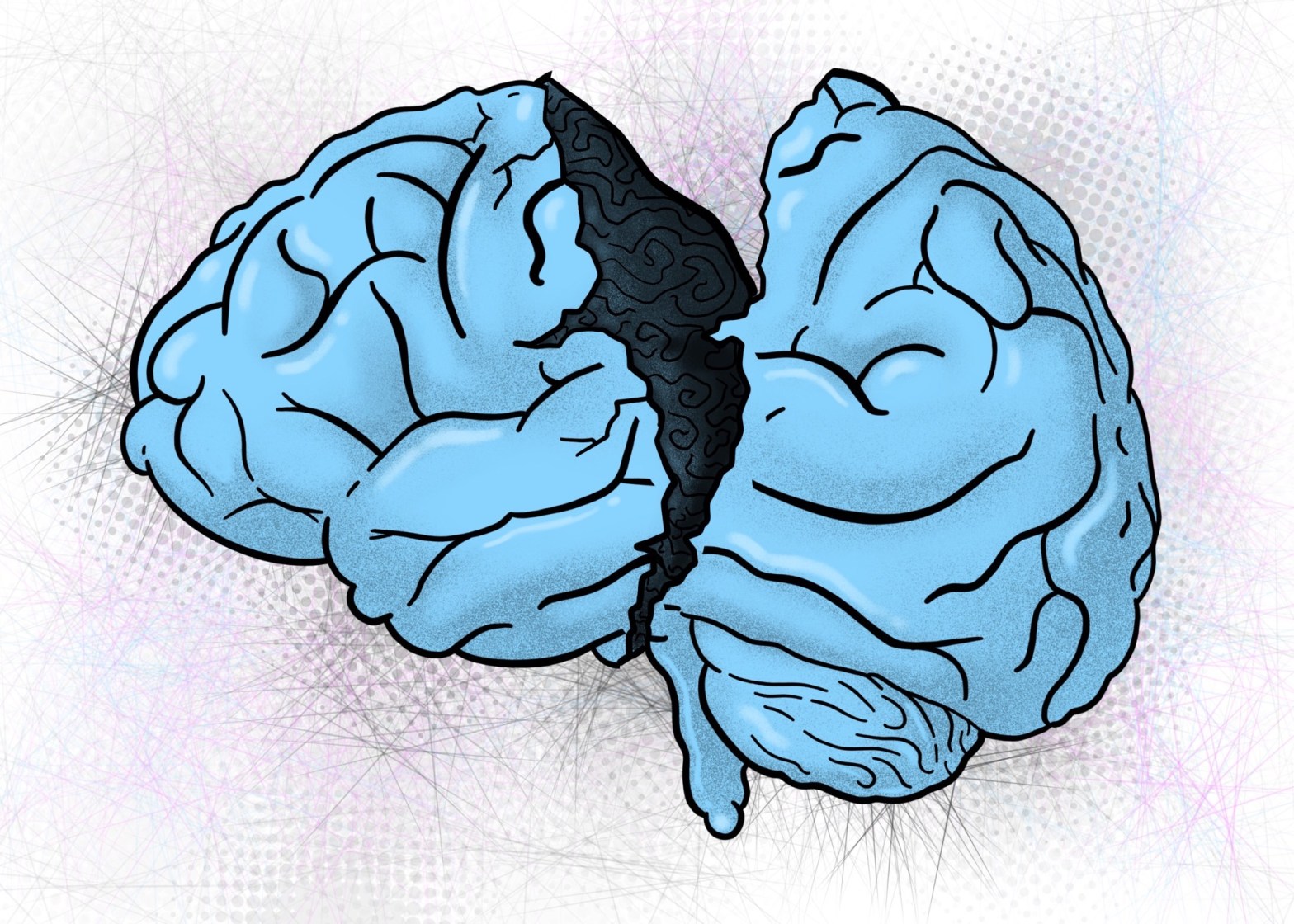
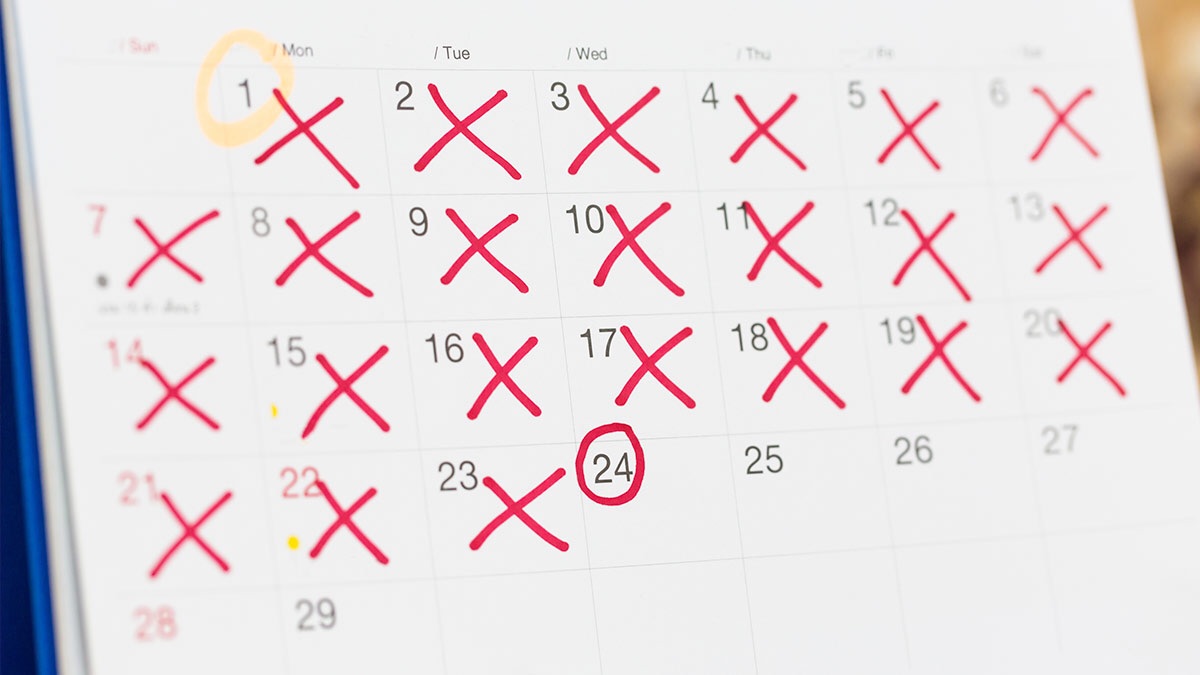









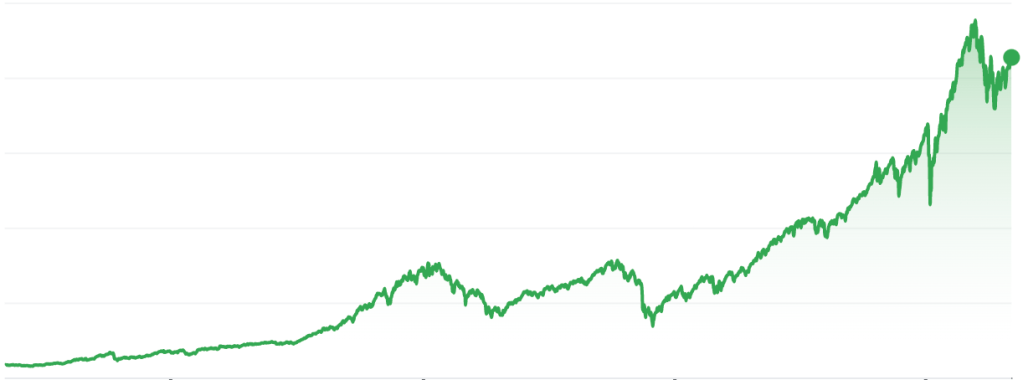

 thejourneyx