(Unplanned post Part 2 – tools at the end)
So now I’d like to talk about burnout. I’ll talk about how it developed, what it looks like, how it makes me feel and how I’m fighting it.
How it developed
It seems quite obvious, probably to you too if you read Part 1, but I took on more than I could handle.
I took a part-time job when I was in a different main job – a job that was much less demanding. The new job came with a steep learning curve. Things I thought I was good at: productivity, writing, and time management (to name but a few) were all revealed to be weaknesses compared with where I needed to be in my job. I was faced with things I knew I was weak at and things I didn’t know I was weak at. This process hasn’t stopped.
It would have been easy to quit. I considered it many times but I realized that it’s possible to turn weaknesses into strengths. I can get better at these things.
The problem was I started pushing myself to be better at everything all at once and ended up doing a lot but going nowhere, thinking I was making progress but wondering why I was still facing certain problems.
As I pushed harder to be productive and learn, I depleted more energy. I only had one day off (and sometimes no days off as there are occasional extra days).
On my day off I would often insist on doing things with family. This meant not always resting fully and having fewer naps. Fewer naps meant less energy and less productivity so I’d spend longer working, trying to keep up with the workload depleting my energy further. It was a rapid downward spiral. It’s hard to see what’s going on when you’re the one in it and it’s really hard to know what to do about it.
My wife and I decided to go to my home country to introduce our child to our family there and take a much-needed break. It was a breath of fresh air. After several days I started to feel much more relaxed. I’d left the situation that was causing stress and low energy and began to feel much better soon after – a clear indicator of burnout. This was when I became aware that I’d been experiencing burnout.
What burnout looks like for me
Burnout is very similar to depression for me. The main difference is that there is a situation that causes the burnout and you begin to stabilize once you are removed from that situation.
For me, burnout looks like fatigue, negativity, stress, and overwhelm. It’s easy to get stuck in negative loops and energy-draining loops and the whole thing feeds on itself.
How burnout makes me feel
Burnout is exhausting. It erodes my self-confidence and self-esteem and I generally feel negative about myself. It’s hard to do my job effectively, which has knock-on effects on other team members, and then I feel bad about that. I also feel bad about not achieving even though I’m working hard.
Apathy begins to creep in. When you feel overwhelmed you can either fight or give up. When the fight is exhausting and you have little energy to give, it can be easy to let things slide into chaos. This is particularly dangerous for me as it starts to develop into unnecessary risk-taking. This is either because I stopped caring about life at that moment or I want to feel something. (See my post on Suicide and the Suicidal Ideation section to see how dangerous apathy can be for me.)
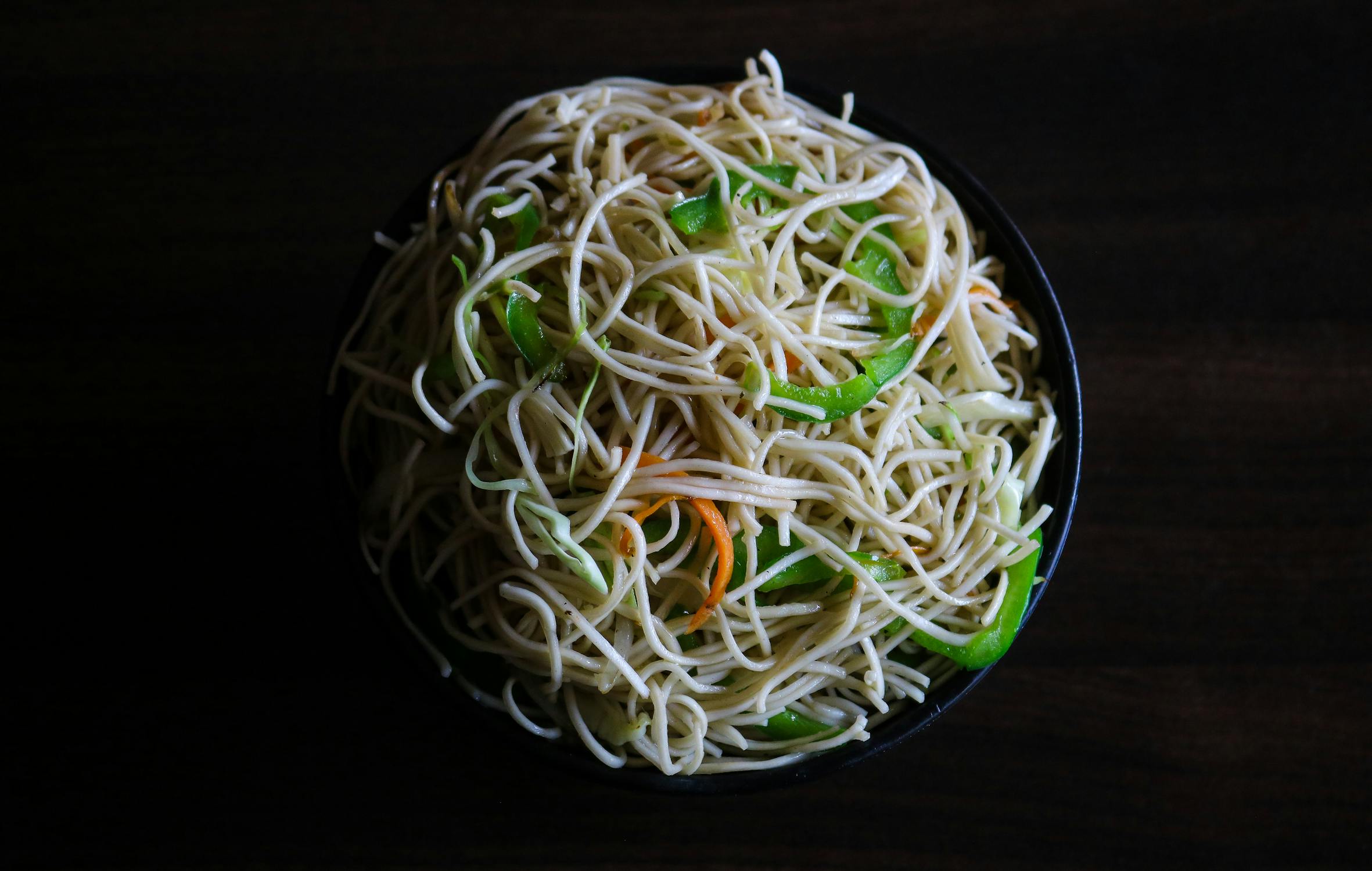
My thought patterns are currently like looking at a bowl of stir-fried noodles and this has manifested itself in chaos and disorganisation in my outer world. My physical and digital workspaces are a mess and it makes everything harder to process and takes much longer than necessary. Having a clear, linear thought is difficult. It’s like when I’m trying to tell my wife something while my child is constantly badgering me to play – my focus is split.
Regarding home life, I feel awful because I can’t play with my child, help my wife with housework or be present and have quality time together. I feel like I’m letting everyone I care about down and I’m making little progress toward my goals. It feels like procrastination, but on reflection, it’s just a lack of cognitive resources. I’m way behind schedule on writing the series and a couple of things at work are way overdue. All of this creates anxiety which interrupts my sleep and depletes my energy further. Everything simply feels heavy and often makes me feel bad about myself.
I’ve been doing too much and as a result, achieving much less than I am capable of. It’s like trying to swim with weights. It’s not all bad though – looking back over the nine months I’ve developed a lot as a person and have noticed specific areas of improvement where I’m no longer receiving much corrective feedback and getting better results. I’m capable of much more than I was nine months ago. It’s made me begin to wonder – if I’ve achieved this with limited cognitive capacity, imagine what I can do when I’m free of the part-time job. It’s good to try to remember how far you’ve come. This is a useful way to fight burnout. Below are some of the other ways I’m fighting it.
How I’m fighting it
Awareness. Awareness is the first step to improving any aspect of your life. I’d long known something was wrong but wasn’t sure exactly what to do about it so I just kept going. Sometimes you need someone from outside to tell you what’s going on from their perspective. My boss had hinted at burnout in previous interactions and having a holiday removed me from the situation and gave me some clarity. We’ve since talked more directly about it.
Being aware of it was actually a relief because it became less of a mystery and I began to figure out ways to manage it. It’s both helping and hindering me from finishing the Triggers & Tools series post. It’s helping me in that I’ve been forced to reevaluate my triggers and identify appropriate tools for my situation. It’s hindering in that I’m struggling to think clearly at any given moment and most of my cognitive resources are diverted to work.
Minimise. My boss has made a useful suggestion. Until I finish my part-time job, it’s time to strip everything back.
Less is more. By trying to do fewer things in a day and focusing on the most important tasks, my brain is free to get the important things done. This also helps my self-confidence and self-esteem as I see actual progress on things that matter.
I’m also tidying up all physical and digital spaces and stripping out anything unnecessary from my daily routines and habits so there’s less chaos affecting my attention, less need to make decisions and more focus.
Acceptance. I’m forgiving myself and accepting that I’m doing the best I can in the situation I’m in and I’ve made a decision that will free up my energy and cognitive resources later. As long as I’m doing my best there’s nothing more I can do.
Service. I’m trying to help others in my daily life. This is the key to fulfilment and instantly makes you feel better because it builds connection and takes your focus off your ego.
Positive framing. I’m trying to find the good in every situation, especially if I’m tempted into negative thinking.
Gratitude practice. I spend time each day to think of at least three things that I’m grateful for that are specific to me. This takes my attention off the negative, away from myself and towards others.
Journaling. Gratitude practice is embedded in my journal. I also talk about what I’ve learned and what I feel. I have a few simple questions and a check-list of daily actions each day related to my goals. This helps me to check and build evidence of progress. If I didn’t achieve something I accept, forgive myself and move on.
Sleep. This is the most effective tool so far. It feels counter-intuitive because if I’m sleeping I could be working or spending time with family but it gives me the energy I need to work effectively (therefore saving time) and spend quality time with family. I’m now scheduling more sleep into my schedule and it’s helping a lot.
Decision. Now that I’ve made a clear decision on how to get my energy back (quitting the part-time job and getting more rest), I already feel better as I can see the light at the end of the tunnel and there isn’t a big decision hanging over me. I’m okay with being a bit slower and less effective now because I know it’s temporary. I’m looking forward to having more energy, being better at my job and having more family time. I feel okay right now and am focusing on the positives.
Have you experienced burnout?
How did you manage it?
 thejourneyx